
Last updated November 15, 2026
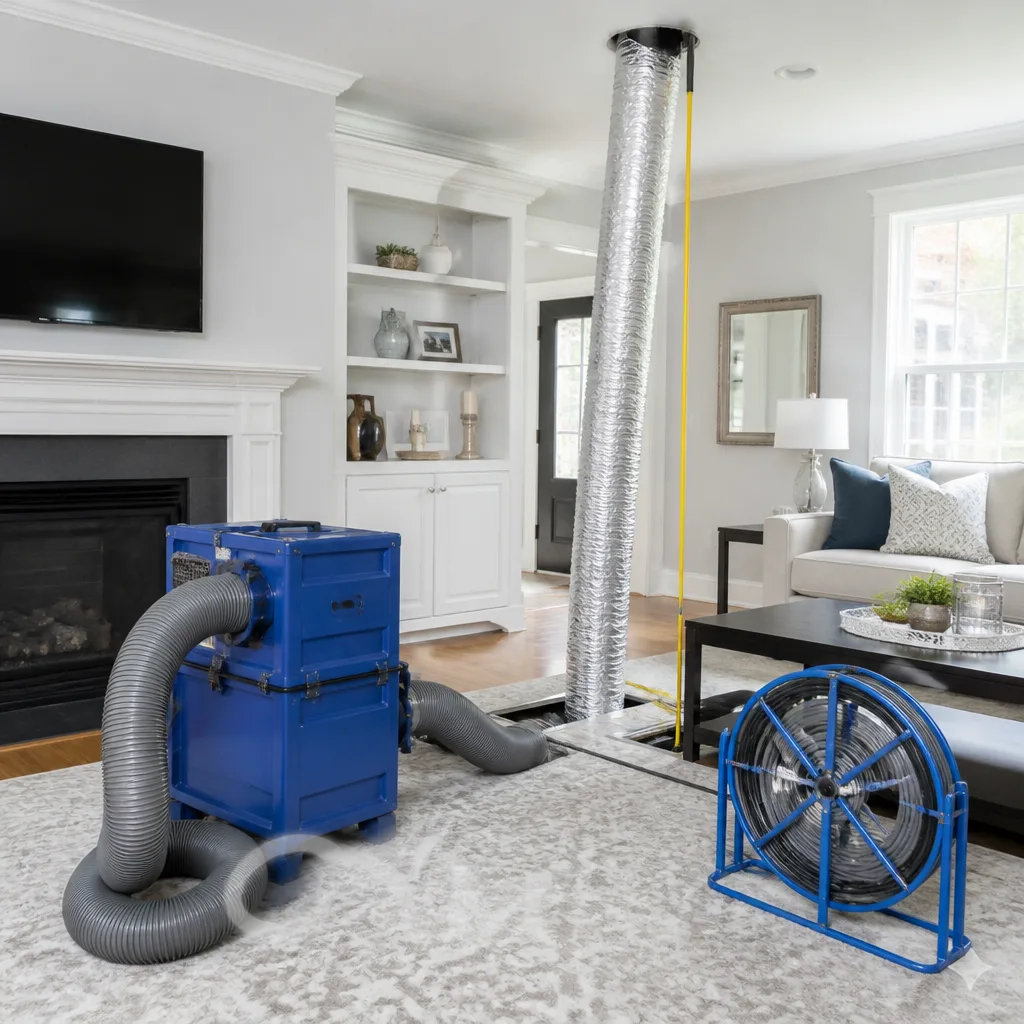 Whole-home duct cleaning
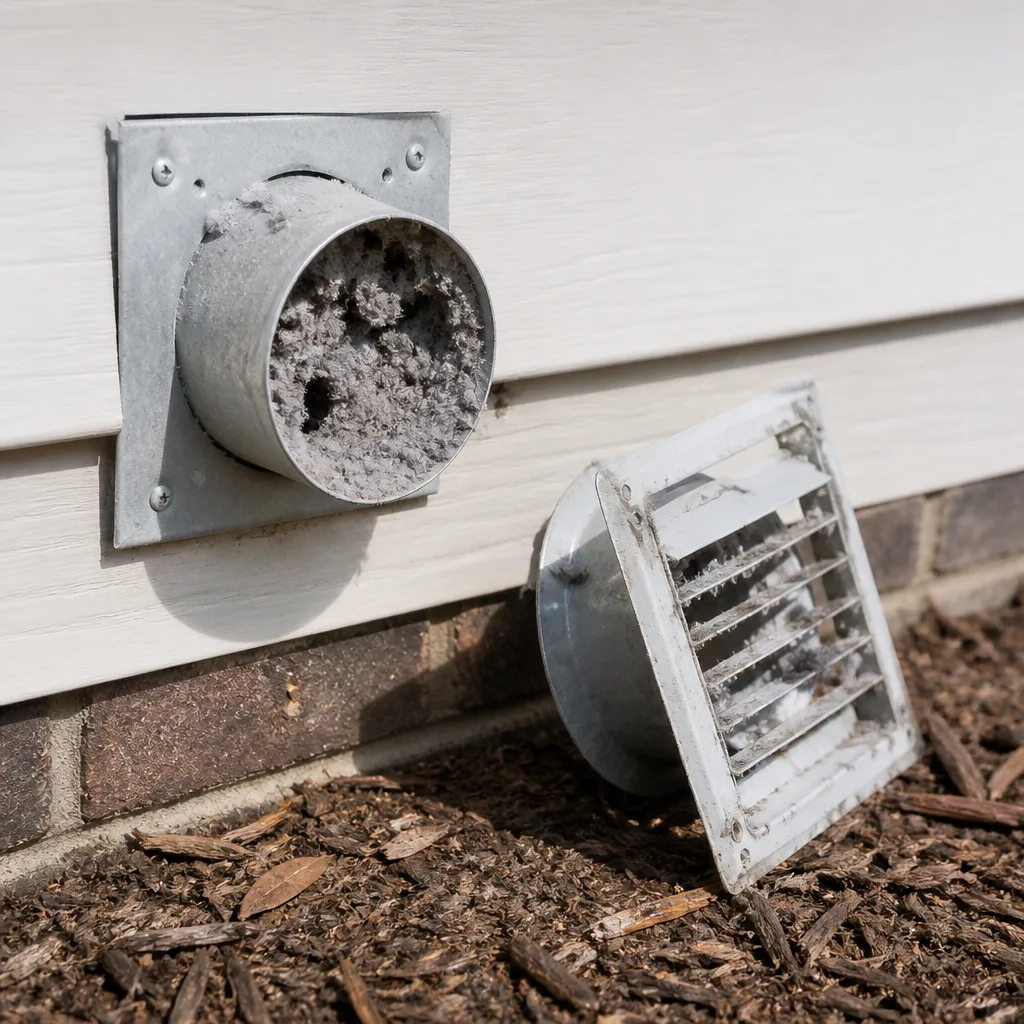 Dryer vent cleaning
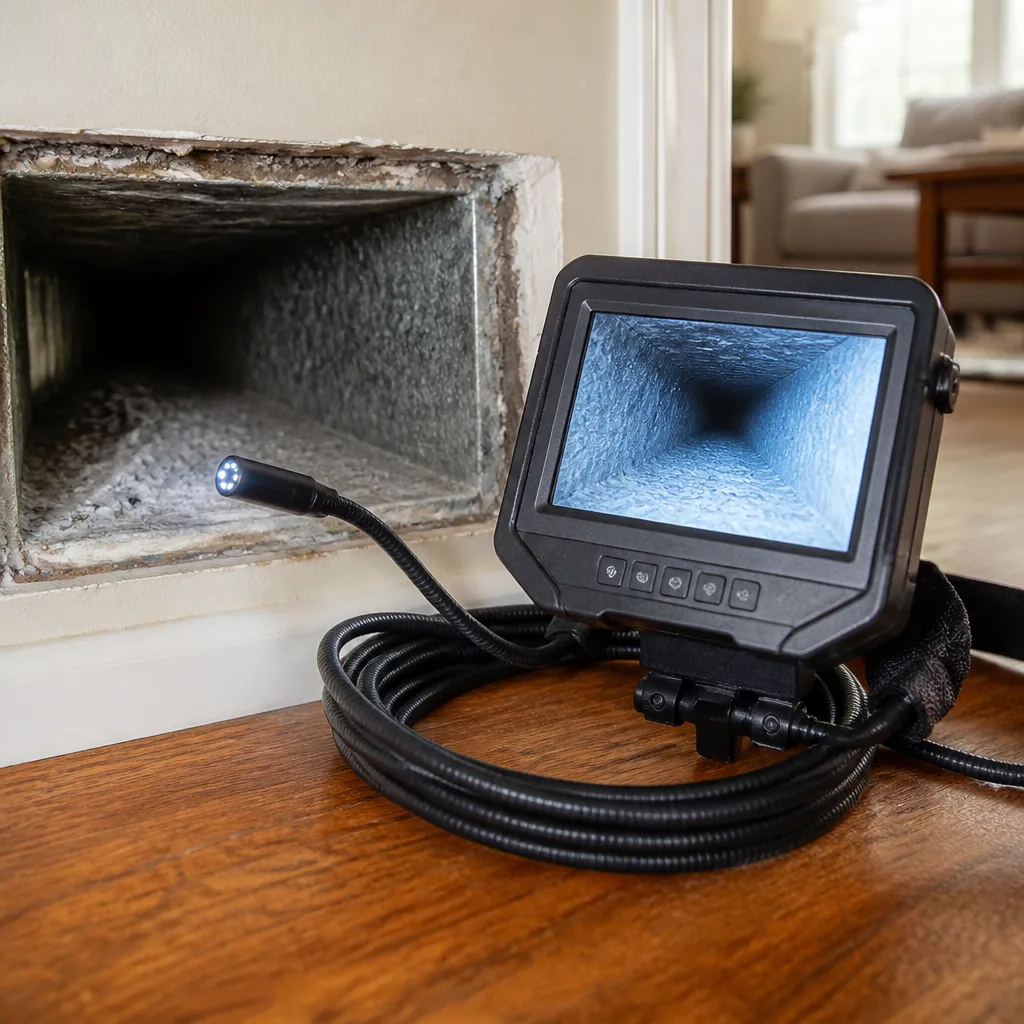 Camera inspection
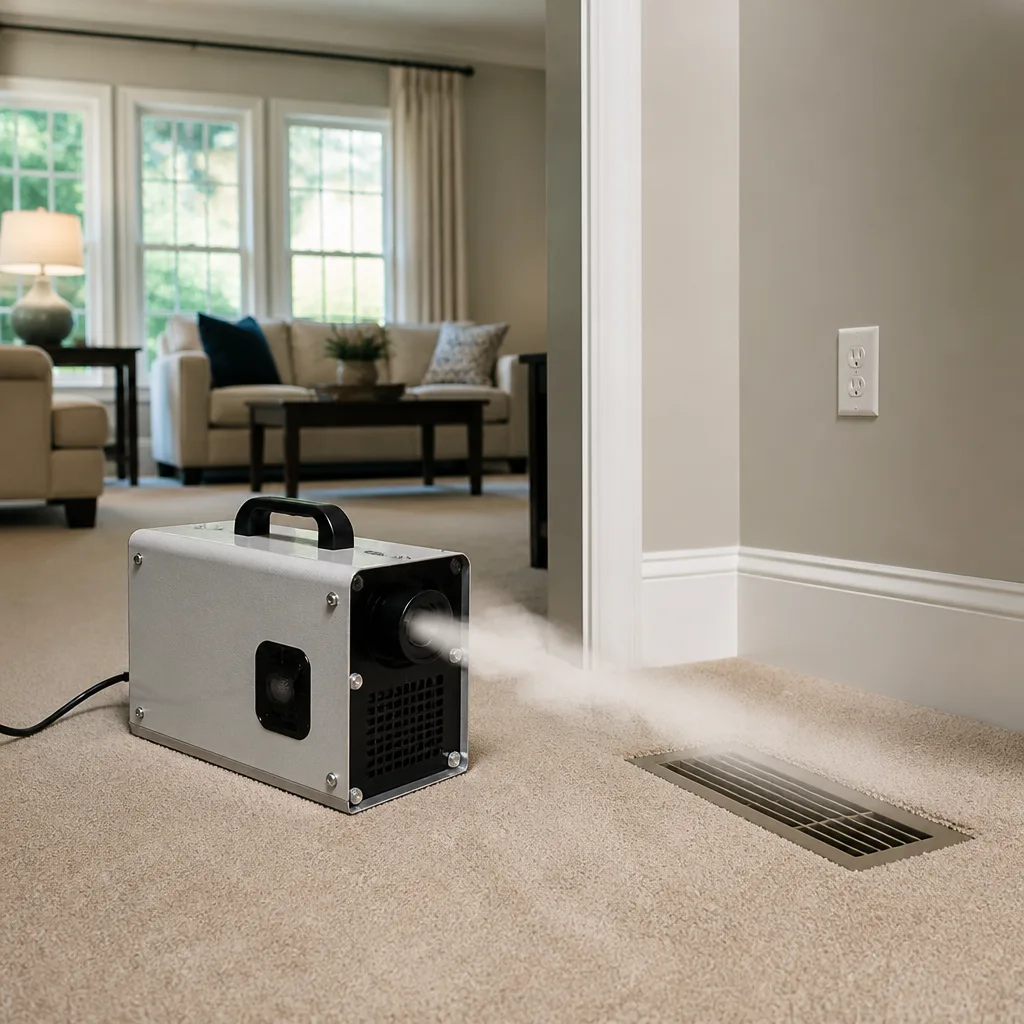 Sanitizing & deodorizing
Whole-system duct and dryer vent check with before-and-after photos - you see exactly what came out of your vents
That "$99 whole-house special" is a bait ad - the real number appears once they are in your hallway, or the "clean" is a shop-vac at the register. We photograph the inside of your ducts before and after instead.
Air Duct Cleaning Maintenance Checklist for Tucson Homeowners
Here’s a fact that surprises most people: in Tucson, the dirtiest part of your duct system is usually not the duct at all. It’s the return air grille and the filter slot behind it. A clogged return doesn’t just starve your system of airflow. It forces the blower to pull harder through every loose joint, taped seam, and undersized boot in the duct run, which is how small leaks turn into active paths for dust, attic insulation fibers, and hot summer air to enter the supply side. In a desert where dust is a daily condition rather than a seasonal event, maintenance is less about a once-a-year cleaning and more about knowing where to look. This guide gives you a real checklist: what you can inspect yourself, what needs a camera or a pressure test, and how to track it all so you’re never guessing at last-cleaned dates.
Quick Answer
A practical air duct maintenance checklist in Tucson centers on four habits: check and replace filters on a dust-driven schedule rather than a calendar schedule, inspect return grilles and accessible duct joints every month, inspect duct seals and the drain pan before monsoon humidity arrives, and inspect exterior penetrations and return paths after any major dust event. Everything beyond that – internal duct condition, leakage rates, and contamination levels – requires professional equipment like a rotary brush system and negative-air extraction to evaluate properly. Visual checks at the register level catch the majority of developing problems early; the rest is scheduled professional attention.
Styles & brands we work with
- Whole-home duct cleaning
- Dryer vent cleaning
- Camera inspection
- Sanitizing & deodorizing
Table of Contents
- Why Air Duct Maintenance Is Different in Tucson
- Your Monthly Visual Checklist
- Filter Logic: MERV Ratings and Tucson Dust Loads
- The Pre-Monsoon Inspection Checklist
- Post-Storm (Haboob) Checklist
- What You Can Inspect vs. What Needs a Professional
- How to Log and Track Duct Condition Over Time
- Don’t Skip the Dryer Vent
Why Air Duct Maintenance Is Different in Tucson
The standard advice you’ll find online was written for a country with a different climate. It assumes moderate dust, seasonal furnace use, and a winter heating season that dominates the maintenance cycle. In Tucson, the pattern is inverted. Cooling runs for the majority of the year, dust is a constant rather than a season, and humidity arrives in a defined window during monsoon. That changes what you’re watching for.
When the air conditioner runs for months, the condensing coil and drain pan stay wet for long stretches. Combined with monsoon humidity, that’s the one period of the year when biological growth on a coil or in a drain pan becomes a real concern rather than a theoretical one. The rest of the year, Tucson duct problems are mechanical and particulate: seals opening up, grilles loading with dust, and debris accumulating in the return path.
There’s a second factor. Tucson homes tend to sit on slab foundations rather than basements, so ductwork runs through the attic and the crawl space or directly through the ceiling assembly. Attic duct runs in a desert attic see extreme temperature swings. Flex duct that’s pulled tight or sagging, poorly sealed boots where registers meet drywall, and old foil tape that’s dried out and peeled are common failure points. A desert checklist treats the attic portion of the duct system as exposed infrastructure that needs periodic inspection, not a sealed system you clean once and forget.
This is the context behind the professional service that air duct cleaning actually addresses in Southern Arizona. It’s not primarily about removing visible dust from a vent. It’s about restoring the whole system – return path, supply path, and the connections between them – to the airflow and seal integrity the equipment was designed for.
Your Monthly Visual Checklist
This is the part of air duct maintenance a homeowner can genuinely do. Figure five minutes a month, and it will catch most developing problems before they cost you anything.
- Look at every return grille. Remove the filter if there’s one behind the grille, and look at the fins and the interior edge. A uniform thin grey film is normal. A thick felted layer, visible debris clinging, or dust so heavy you can write in it means the return is overloaded. Check whether the filter is bypassing around its edges, since a filter that’s too small lets air slip by unfiltered.
- Look behind the register. With a flashlight, look into the boot where the register meets the duct. You’re checking for gaps between the boot and the drywall or the duct, and for tape that’s lifted, dried out, or missing. Any light showing through from the attic is a leak.
- Check airflow at one supply register with tissue. Not a precise measurement, but a reliable comparison month to month. Hold a tissue near the vent and note how strongly it’s pulled. A register that’s noticeably weaker than the others is a signal worth writing down.
- Look at the filter slot for dust trails. A clean filter in a dirty slot means air is bypassing. A filter that’s grey on one side and clean on the other with a dark outline of dust around the edges means the filter frame isn’t sealing.
- Note any musty smell at a return. Desert air is dry; a musty smell in a Tucson home usually points to moisture somewhere in the system, most often the drain pan or a wet coil, and should be investigated rather than ignored.
- Look at exterior penetrations. Where ducts and refrigerant lines pass through exterior walls, check that the sealant is intact. Gaps here in a desert climate are direct entry points for dust and pests.
Write down what you see each month. We’ve seen how quickly a mental note evaporates; a written record turns a vague “I think I cleaned that a while ago” into an actual date you can give a technician.
Filter Logic: MERV Ratings and Tucson Dust Loads
Here’s where most Tucson homeowners get bad advice. A MERV-8 filter is a perfectly reasonable choice for a home in a moderate, low-dust climate, and it’s often what manufacturer guidance recommends. In Tucson, the same filter is on a completely different replacement interval. Desert dust loads mean the material loads up far faster than the calendar on the package suggests, and a filter that says “replace every three months” may be visibly loaded in three weeks during a windy stretch.
What matters more than the MERV number is the relationship between three things: your return grille’s filter slot size, the filter’s airflow resistance, and the amount of dust actually entering the system. Pushing up the MERV rating to “filter more” without checking that the system can handle the added static pressure can starve a blower and cause coil freezing – a common desert failure that looks like a broken air conditioner but starts as a filter problem.
A practical set of rules for Tucson homes:
- Check it, don’t schedule it. Rather than a fixed replacement interval, check the filter every two to three weeks during dusty periods, and replace when the visible loading is significant. Many Tucson homes need a new filter at roughly three-week intervals during the windiest parts of the year, not three months.
- Don’t upgrade MERV blindly. A higher MERV rating filters finer particles but also increases resistance. Unless you’ve confirmed the system can handle it, stay at the manufacturer-recommended rating and change it more often rather than going up a grade.
- Match the filter to the slot. A filter that’s slightly small lets air bypass around the edges, so the rated MERV becomes meaningless. Measure the slot, not the old filter, when buying.
- Use the right return. Homes with multiple returns often have filter slots behind more than one grille. If one gets changed and another doesn’t, the uncleaned return becomes the primary path for dirty air.
If your home has a whole-home filtration or humidity system installed – Honeywell and Aprilaire are two of the systems we work with regularly – those have their own filter media and their own replacement logic. Check the manufacturer’s guidance on that unit specifically rather than treating it like a standard return filter.
The Pre-Monsoon Inspection Checklist
Monsoon season is the one period of the year when desert humidity actually climbs into a range where moisture problems in HVAC systems become plausible. The checklist below is designed to be completed in the weeks before the rainy season, so that seals, drain pans, and grilles are in order before the first humid stretch arrives. A leak that’s harmless in dry air can become a moisture and biological growth issue once humidity is high.
- Inspect the condensate drain pan and line. A pan with standing water, rust, or visible biological growth is a problem to address before humidity arrives, not after. Confirm the pan drains freely and that the line isn’t clogged with dust and debris.
- Inspect duct seals at accessible joints. Where you can see duct connections in the attic or crawl space, look for dried and lifting tape, gaps at the boot, and loose collars at the plenum. These are the entry points that monsoon-driven dust and moisture use.
- Inspect grille and return debris accumulation. Late spring is when Tucson dust loads peak. Clear the grilles and return paths before the storm season so that whatever humidity arrives isn’t meeting an already-contaminated filter and return.
- Inspect the coil. If your system has an accessible evaporator coil, look for visible dust loading or biological growth. A dirty coil in a humid period becomes a growth site; a clean one doesn’t.
- Inspect exterior penetrations. Step outside and check every point where a duct, refrigerant line, or conduit passes through the wall. Sealant that’s cracked or missing should be refreshed before the wind-driven rain starts.
- Note the state of the filter slot. If dust is building up in the slot itself, that’s a sign of bypass, which monsoon dust will exploit.
If a visual inspection reveals seals that need more than a fresh piece of tape, or a duct run that’s pulled loose from a boot, that’s an air duct repair concern rather than a cleaning one. Cleaning a damaged system without repairing it first just means cleaning around the same gap again in a year.
Post-Storm (Haboob) Checklist
Haboobs – the large dust storms that roll through Southern Arizona – deposit an amount of particulate in a matter of hours that a home would otherwise take weeks to accumulate. The checklist after a major dust event is short but specific. And it’s worth doing in the days after, not weeks after, because the system is running through those particles the entire time.
- Check the filter immediately. A filter that looked partly loaded before the storm may be fully loaded after. If it’s visibly soiled, change it. Don’t wait for a scheduled date.
- Inspect exterior penetrations for infiltration. Wind-driven dust finds any gap in exterior wall seals. Look at where ducts and lines pass through walls and note anything that’s visibly dirt-streaked around the seal, which is a sign the sealant has failed.
- Inspect return air paths. Return grilles and any return path accessible behind a grille should be checked for accumulated dust. In many Tucson homes, the return is where post-storm dust concentrates.
- Look at the register boots. Dust that’s visible around the interior of a boot after a storm is a sign that the seam is loose and the storm pushed air and dust through it.
- Note any change in airflow or smell. After a big storm, if a register is weaker than before, or if the air smells dusty even after a filter change, it may be time for a professional inspection rather than another filter swap.
These are the moments when a professional-grade system earns its place. Standard shop vacuums and consumer-grade equipment simply don’t have the airflow or the containment to properly handle the volume of fine desert dust a haboob deposits. The systems built around Blackwell Air Duct Cleaning – Rotobrush rotary brush platforms and Nikro equipment, with Abatement Technologies negative-air and HEPA filtration for contained extraction – were designed for exactly this kind of fine-particulate load. That matters when you’re removing fine desert dust rather than relatively coarse household debris.
What You Can Inspect vs. What Needs a Professional
Being clear about the line here saves both money and wasted effort. There’s a real temptation to try to inspect the inside of a duct system yourself, and in most cases it doesn’t tell you what you need to know. Here’s the honest split.
What you can inspect yourself:
- Return grilles, filters, and filter slots – all visible without tools.
- Accessible duct joints and boots in the attic or crawl space, with a flashlight.
- The condensate drain pan and line, if accessible.
- Exterior wall penetrations from outside the home.
- Airflow at supply registers, compared month to month.
- Odor at returns and any visible debris on register faces.
What genuinely requires a professional:
- Internal duct condition. Rotating a phone camera into a duct reveals very little. A proper inspection uses a rotary brush and vacuum system that can both see into and clean a duct run, and a technician can assess what the extracted material is (fine dust, insulation fibers, biological growth) rather than just whether it’s dusty.
- Duct leakage and static pressure. Determining whether your system is leaking 10% or 40% of its airflow requires measurement at the plenum and comparison across the return and supply sides. You cannot determine this by feel.
- Contamination assessment. Distinguishing between routine dust and something that requires contained extraction is a judgment a technician makes with the right equipment. For anything that looks like it might be more than routine dust, negative-air containment and HEPA filtration equipment is what separates a professional job from a generic one.
- Repair of loose joints, pulled boots, and gaps. Sealing and repairing ductwork is a separate skill from cleaning it, and it’s the root cause of much of what people experience as “duct problems”. If you notice a leak during your monthly check, this is the point to have it looked at as a repair, not a cleaning.
Our technicians have up to 11 years of experience with this specific equipment, which matters here: the difference between a thorough job and a superficial one usually comes down to whether the technician can recognize the difference between dirt and damage.
How to Log and Track Duct Condition Over Time
Most homeowners we talk to can’t tell us when their ducts were last cleaned. They remember “a while ago”, or they remember what the technician said, but not the date. That gap makes diagnosis harder, both for them and for us. The solution isn’t complicated: build a simple physical or digital log, and add to it every time you check something.
What a useful log should contain:
- Filter change dates, with a note on what the filter looked like. “Filter changed, lightly loaded” and “Filter changed, heavy dust loading, edges bypassing” tell very different stories. Both are useful.
- Any airflow changes you noticed, with dates. A register that dropped in airflow in July and stayed low is a very different problem from one that’s been low for years.
- Any smells or visible debris, with location. “Musty smell at return in hallway” is far more useful than “noticed a smell”.
- Dates of major dust events. A haboob date in the log tells a technician exactly why a sudden increase in filter loading happened.
- Dates of any professional service, with what was done. Note whether it was cleaning, repair, or both – the difference matters for future diagnosis.
- Photos. A photo of a return grille at each check is worth more than a paragraph of notes. Take the same shot every time so comparisons are meaningful.
With two years of consistent logging, you’ll have something genuinely valuable: a picture of how fast your system loads, which is highly specific to your home, your filter choice, and your neighborhood. Homes near open desert edges, for instance, load faster than homes in more sheltered parts of Tucson, and the log catches that difference. When you bring that log to a technician, you’re giving them an accurate history instead of a guess, which shortens the conversation considerably and improves the recommendation.
Don’t Skip the Dryer Vent
The checklist above covers the HVAC duct system – return and supply. The dryer vent is a separate system, but it belongs in the same maintenance conversation, because the failure mode is more serious. A dryer vent that’s blocked with lint is a fire risk, and the buildup that causes it happens quietly, without any symptom a homeowner would notice until airflow slows to the point that clothes take twice as long to dry.
The maintenance logic is the same as the duct system: check the visible portions regularly (the flexible connection behind the dryer, the exterior hood and flap), and schedule a professional check on the full run – from the dryer to the exterior termination – on a reasonable interval based on the length and configuration of the run. Longer runs, runs with multiple elbows, and runs that terminate on a roof accumulate lint faster. Treat this as a dryer vent cleaning maintenance item, not an optional upgrade, and it’s worth asking about separately from the air duct service.
See the difference
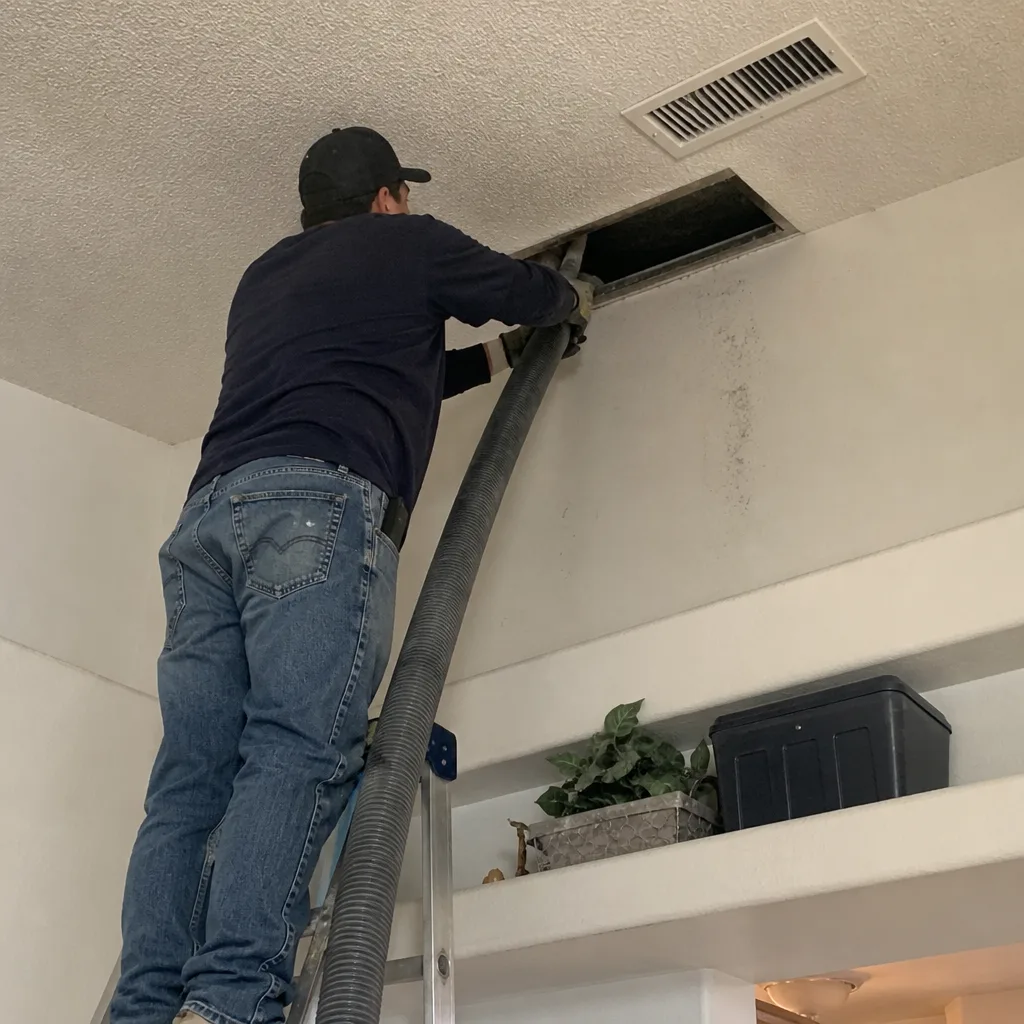 Before
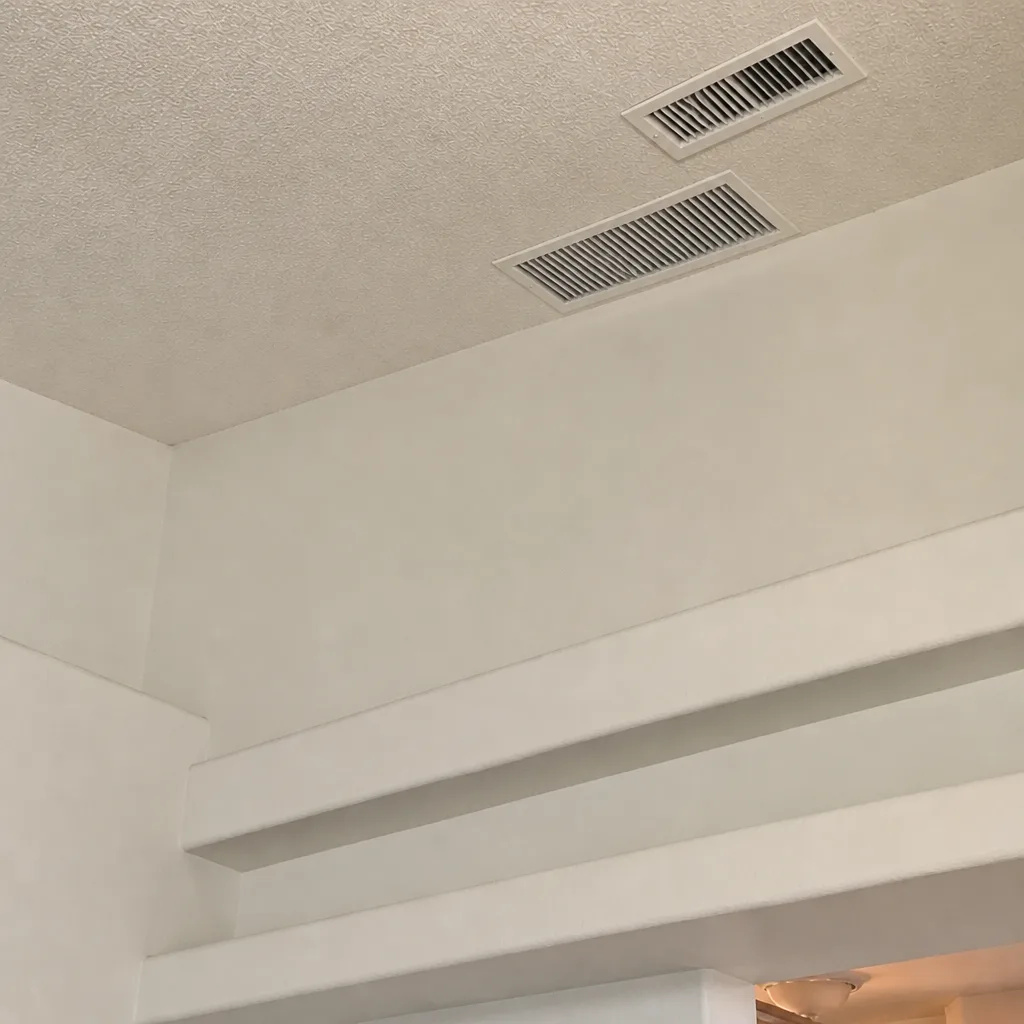 After
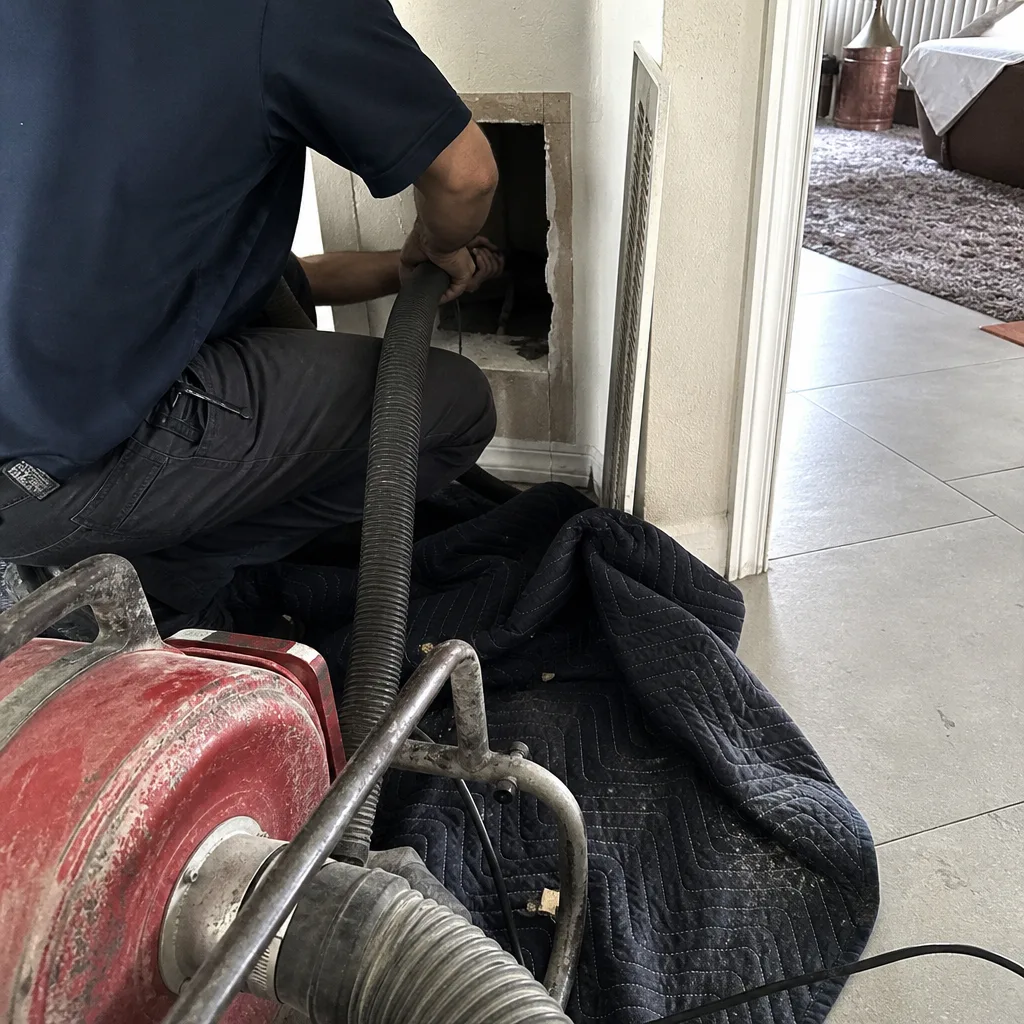 Before
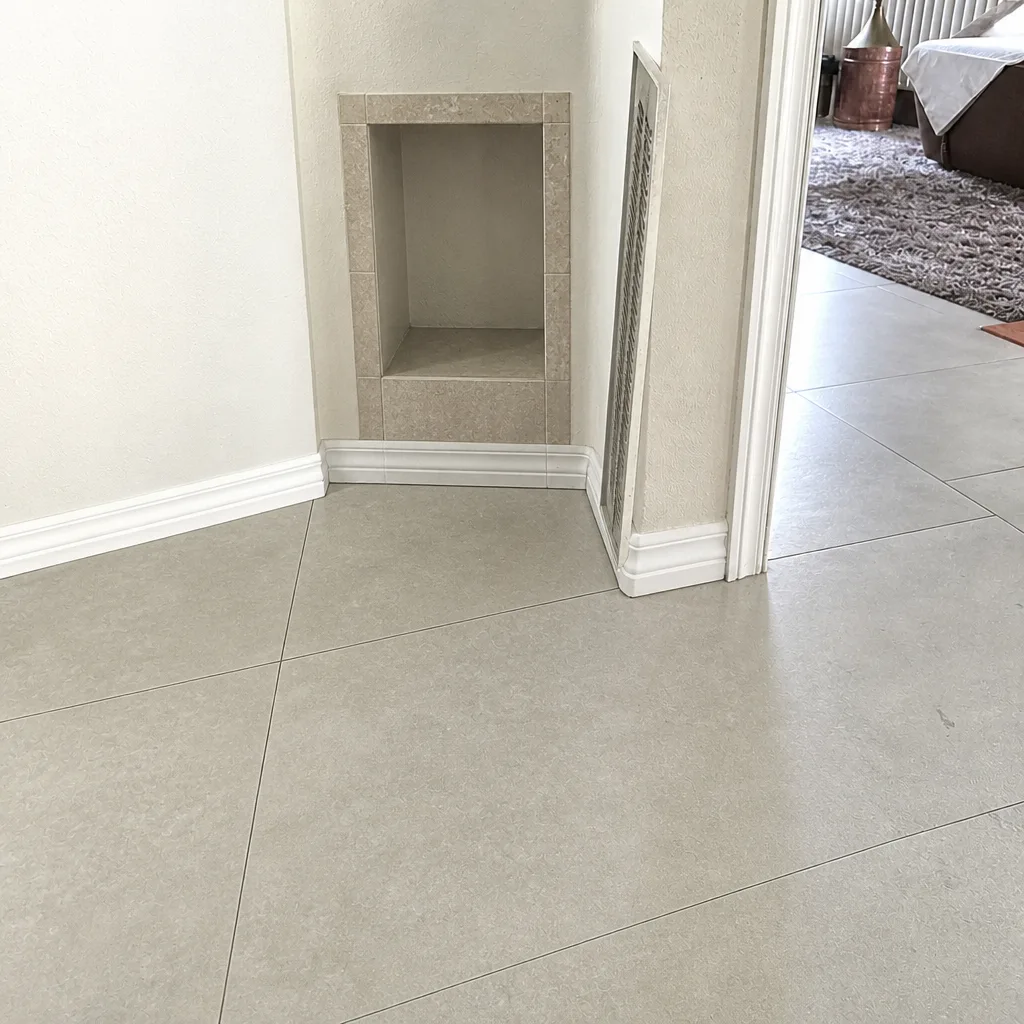 After
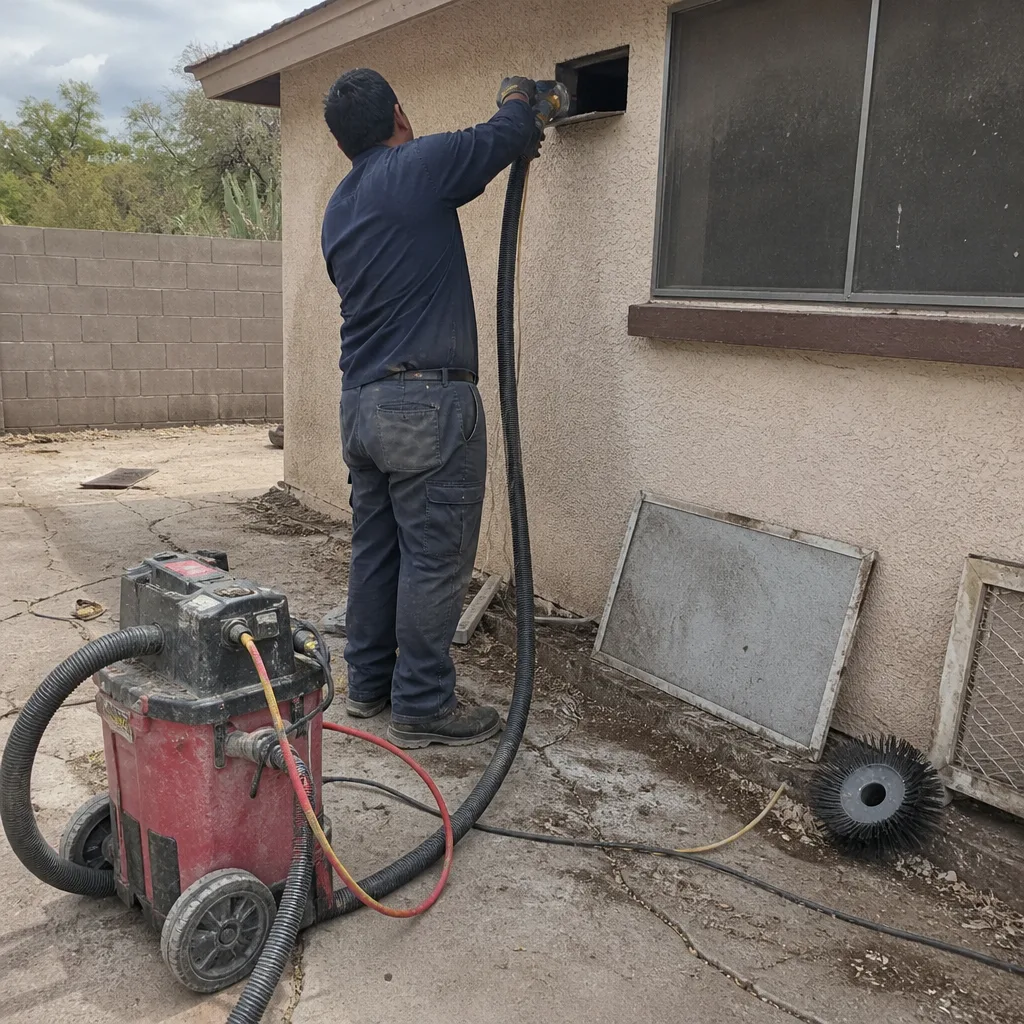 Before
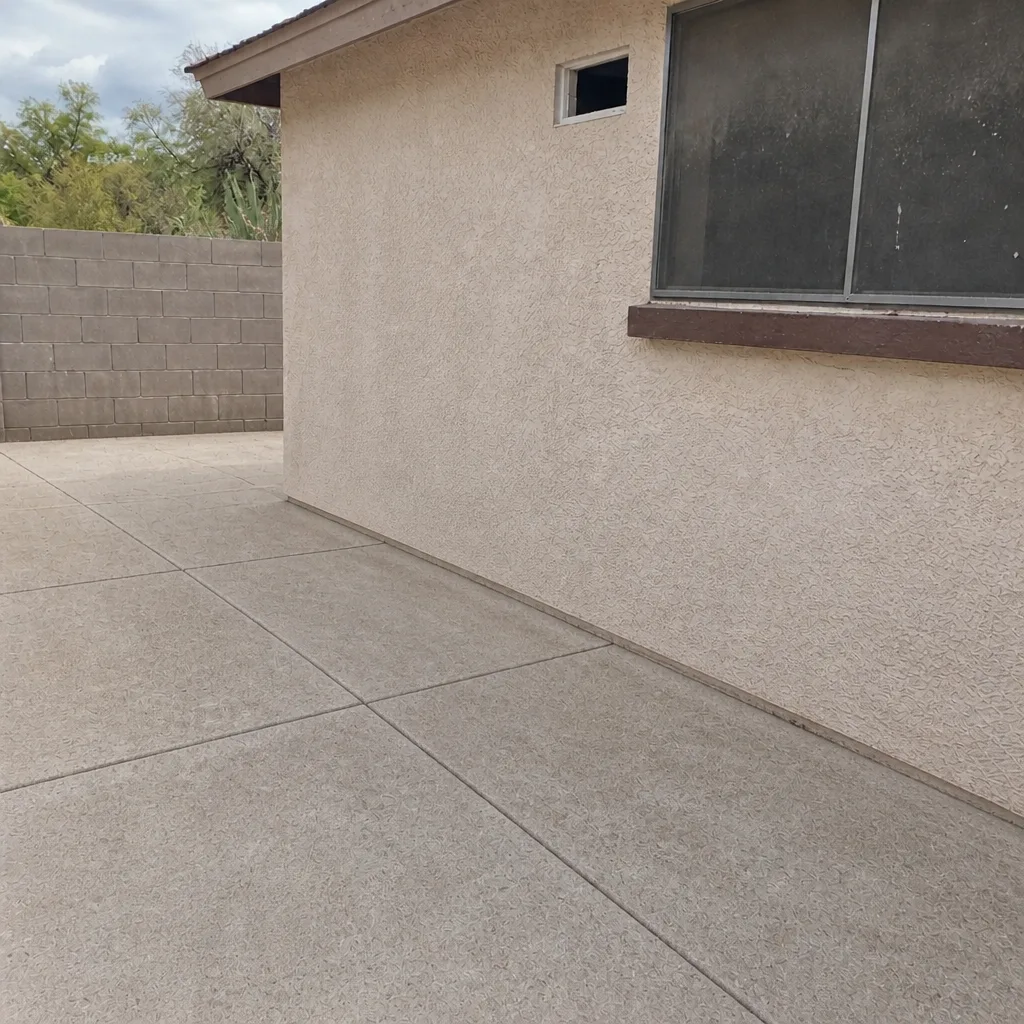 After
Common Mistakes to Avoid
- Treating the calendar as the schedule. The “replace every three months” filter advice on the package was not written for Tucson desert dust loads. Check the filter itself, and replace based on what you see, not what the calendar says. During dusty periods, check every two to three weeks.
- Upgrading MERV without checking system compatibility. A higher-rated filter restricts airflow more. In a Tucson home where the system already runs constantly, the extra static pressure can cause real problems with the blower and coil. Match the rating to the system and change more often rather than going up a grade.
- Cleaning around a leak. A duct system with loose boots, dried tape, and open joints will get dirty again quickly no matter how well it’s cleaned. The right sequence is repair first, then clean. Cleaning a leaking system is running an expensive process in a system that will re-contaminate itself.
- Waiting until monsoon to think about moisture. By the time humidity arrives, seal inspection and drain pan checks should already be done. If you wait for the humidity, you’re looking at problems instead of preventing them.
- Treating haboobs as a one-time filter change. A major dust event isn’t just a filter problem. It’s a signal to check exterior penetrations and return paths as well, because dust enters through gaps the same way.
- Guessing at last-cleaned dates. Without a log, you’re working from memory, and memory is usually wrong. Build the log; it costs almost nothing and improves every future diagnosis.
- Confusing airflow symptoms with a cleaning requirement. Weak airflow at one register can be a duct leak, a damper issue, a filter problem, or an undersized boot. Each has a different fix. Correct diagnosis first, service second.
When to Call a Professional
Some of what’s above you can genuinely do yourself, and some of it needs the right equipment. Call a professional when any of the following apply: you’ve noticed a musty or dusty smell at a return that doesn’t clear after a filter change; a register has noticeably weaker airflow than the others and it’s not a filter issue; you’ve found visible dust trails or light gaps at duct joints; you’ve had a major dust event and filter changes aren’t keeping up; it’s been more than you can honestly track since the last cleaning; or the dryer vent is even slightly slow to dry clothes. Blackwell Air Duct Cleaning offers free estimates in Tucson – call (855) 618-0955. We answer 24/7. Fast dispatch from 7am to 7pm, Sunday through Friday.
Frequently Asked Questions
For most Tucson homes, a professional cleaning every three to five years is a reasonable interval, but this varies a lot based on dust exposure, filter discipline, and whether duct repairs are needed. Homes near open desert with heavy dust exposure or a recent haboob often need service sooner. The better answer is to let your maintenance log and monthly visual checks dictate the interval. Call (855) 618-0955 for an exact quote based on your home – estimates are free.
Use the MERV rating the manufacturer recommends for your system, and change it more often rather than going up a grade. A MERV-8 filter is often adequate for the filtration grade – the real difference in Tucson is replacement interval. Desert dust loads mean many homes need a new filter every few weeks during windy periods, not every three months. If your filter slot lets air bypass around the edges, the rated MERV doesn’t matter. Call (855) 618-0955 for an exact quote on a full system inspection – estimates are free.
It can be, but the honest answer is that routine cleaning on a timer is less useful than inspection-driven service. If your system has visible leaks, heavy dust accumulation, or a musty smell, that’s worth addressing directly. If it’s clean, sealed, and filters are being changed on a dust-driven schedule, the case for a routine cleaning is weaker. An inspection tells you which situation you’re in. Call (855) 618-0955 for an exact quote – estimates are free.
Because equipment and process differ enormously. A quote based on shop-vac-level equipment, no containment, and a ten-minute pass per register is genuinely faster and cheaper. A quote based on rotary brush systems, negative-air containment, HEPA filtration, and a proper inspection of the return path is more work – and the difference is usually visible in the equipment on the job. Ask what system the technician is bringing before comparing prices. Call (855) 618-0955 for an exact quote – estimates are free.
Ask for before-and-after photos of your own system, not stock images. A proper job also shows what was extracted, which should be something a technician can explain: fine desert dust, insulation fibers, or other material – not just “lots of dirt.” Combined with a written record of what was cleaned and any repairs performed, that’s the honest picture. Call (855) 618-0955 for an exact quote – estimates are free.
Repair comes first, in most cases. Cleaning a duct system with open joints and failed seals means contaminating the clean system again almost immediately, because the same gaps that let dust in will do it again. Where the repair is straightforward, sealing first and cleaning second is the better sequence. Where the repair is significant, both may be handled as part of the same visit. Call (855) 618-0955 for an exact quote – estimates are free.
The Bottom Line
A workable air duct maintenance checklist for a Tucson home is not a seasonal reminder calendar. It’s a routine built around what desert conditions actually do to a system: constant dust loading, extended cooling runs, a defined humid season, and periodic severe dust events. The habits that matter most are honest, filter-based replacement on a dust-driven interval, monthly visual checks at returns and grilles, a pre-monsoon inspection doing the rounds of seals and drain pans before humidity arrives, a post-storm pass on exterior penetrations and return paths, and a written log that gives you accurate dates instead of guesses. Do those consistently and you’ll spend less time wondering whether something’s wrong, and know when it’s genuinely time to call. Cleaning, repair, and dryer vent service are three distinct things – and a specialist who handles all three with professional-grade equipment is the person to have on the list.
Blackwell Air Duct Cleaning works with Rotobrush and Nikro professional platforms, and Abatement Technologies negative-air and HEPA equipment for contained extraction, on both air duct and dryer vent work. Our technicians have up to 11 years of experience. If your checklist has turned up something worth a closer look, call (855) 618-0955 for a free estimate. We answer 24/7. Fast dispatch from 7am to 7pm, Sunday through Friday.
Written by the team at Blackwell Air Duct Cleaning.