
Last updated November 15, 2026
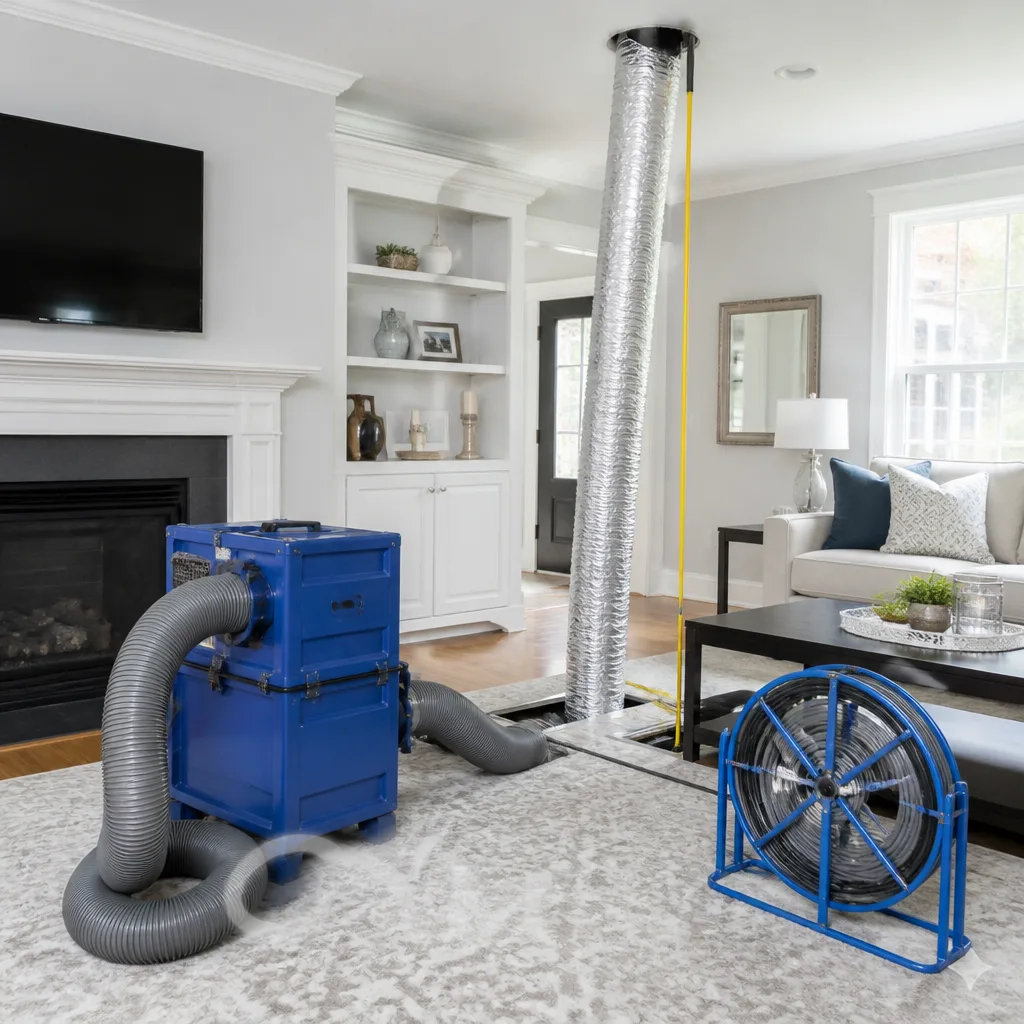 Whole-home duct cleaning
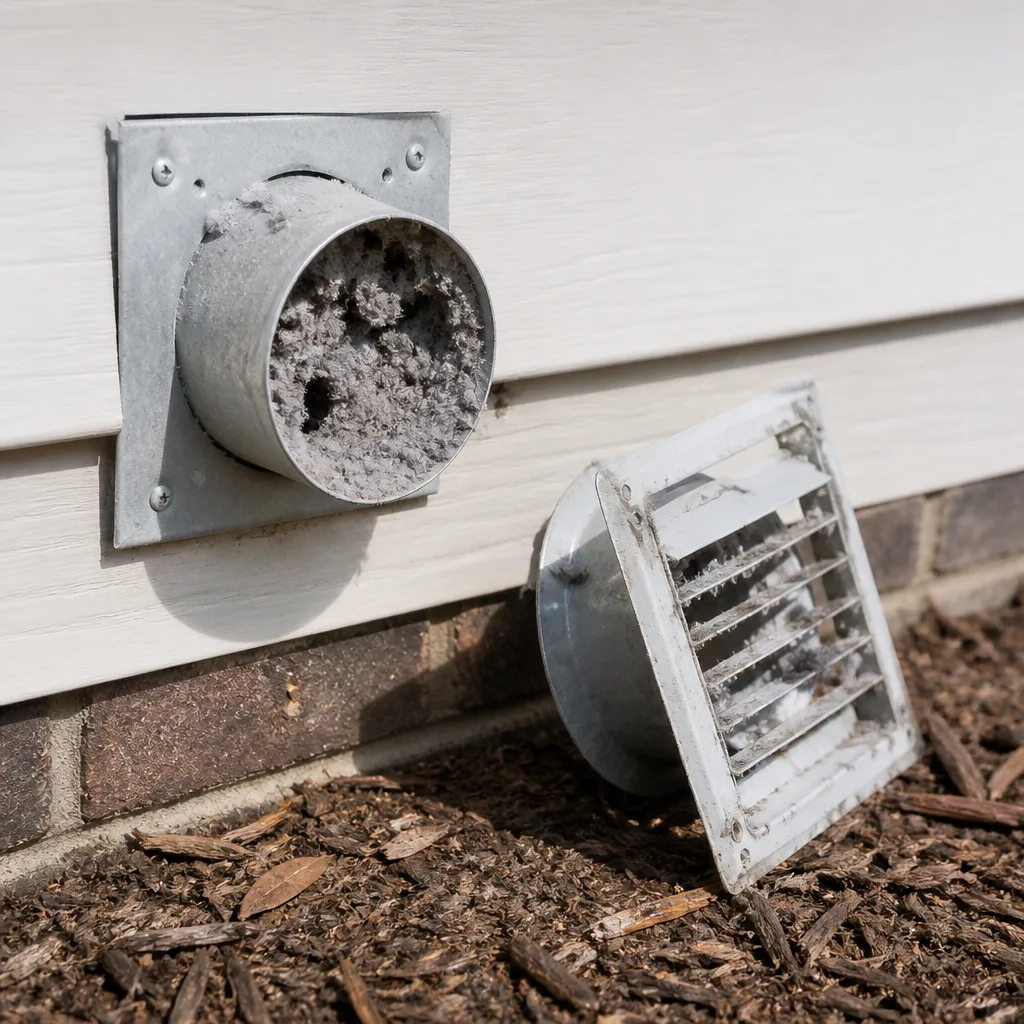 Dryer vent cleaning
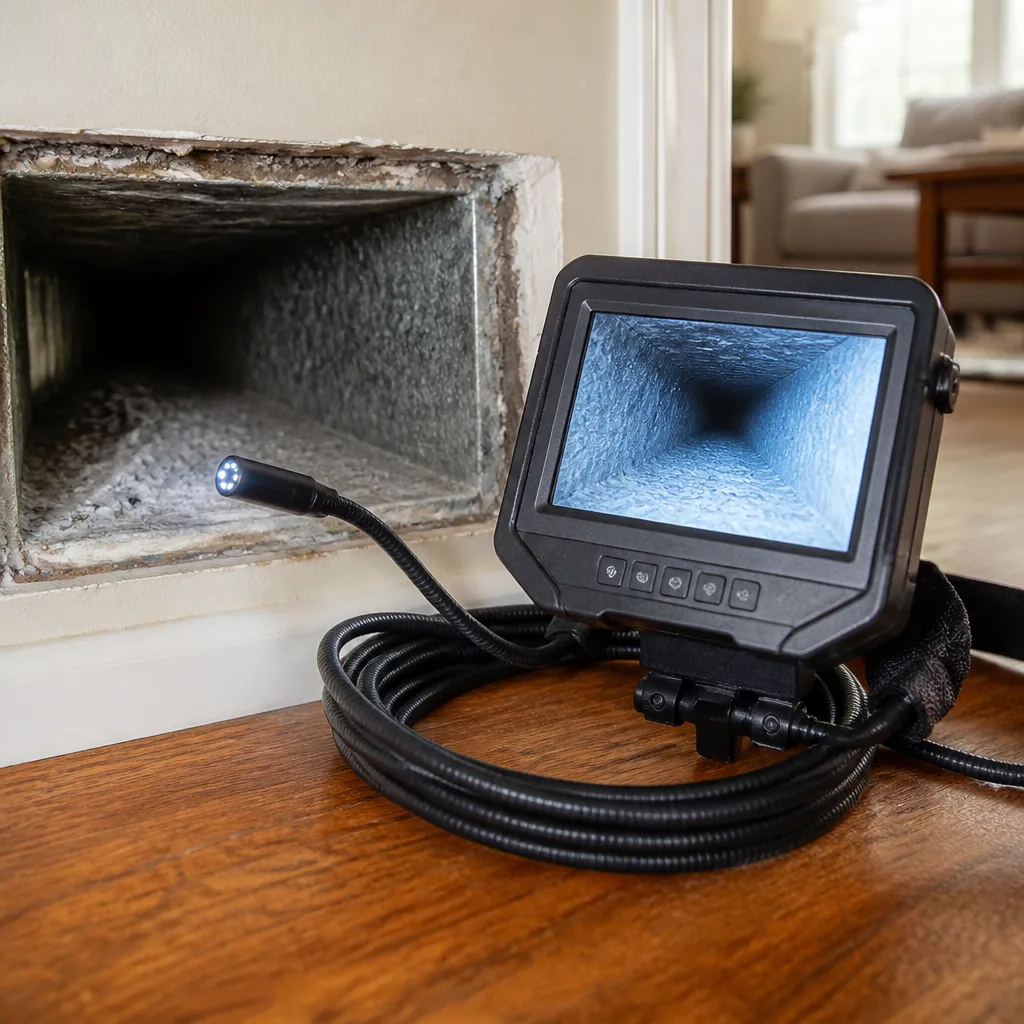 Camera inspection
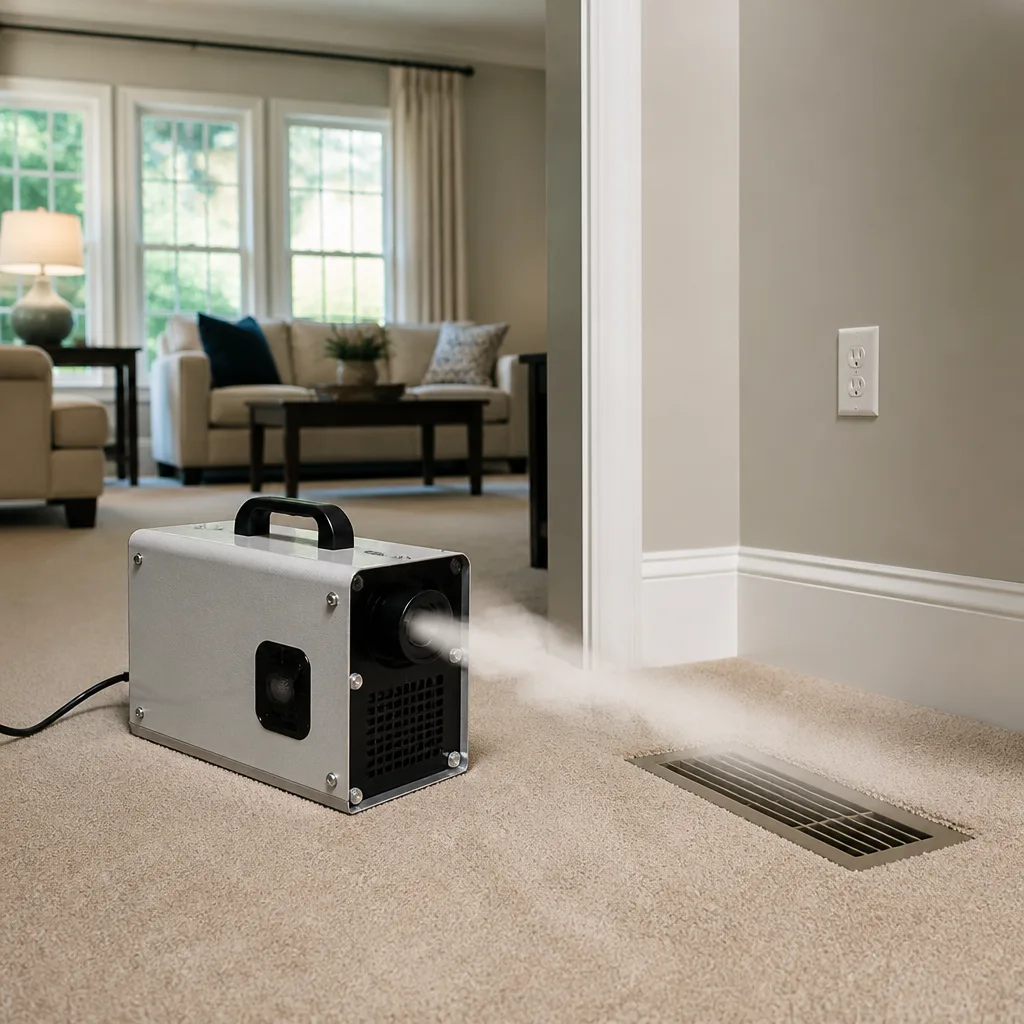 Sanitizing & deodorizing
Whole-system duct and dryer vent check with before-and-after photos - you see exactly what came out of your vents
That "$99 whole-house special" is a bait ad - the real number appears once they are in your hallway, or the "clean" is a shop-vac at the register. We photograph the inside of your ducts before and after instead.
Choosing the Right Air Duct Cleaning Brand: A Buyer’s Guide for Tucson
Most homeowners searching for duct cleaning start with a company name. That’s the wrong first question. The name on the van tells you almost nothing about whether the technician who opens your return grille is running a Rotobrush rotary-brush system with real vacuum behind it, a Nikro negative-air machine pulling sustained CFM through the full trunk run, or a consumer-grade shop vac with a hose taped to a mop handle. In Tucson, where dust storms roll through in monsoon season and single-story ranch homes often hide long, low-pressure flex duct runs in the attic, the equipment and the operator’s skill matter far more than the logo. This guide shows you what to actually evaluate.
Quick Answer
The right air duct cleaning brand for your Tucson home is the one that uses professional-grade equipment – specifically Rotobrush rotary-brush systems, Nikro negative-air platforms, and Abatement Technologies HEPA filtration when contamination demands it – and can explain how they sequence those tools through your specific duct configuration. Equipment ownership alone isn’t enough; you also want an operator who can walk you through the job before, during, and after. Price should follow after those two things check out.
Styles & brands we work with
- Whole-home duct cleaning
- Dryer vent cleaning
- Camera inspection
- Sanitizing & deodorizing
Table of Contents
- Why Equipment Matters More Than the Company Name
- What Rotobrush Systems Do Well – and Where They Fall Short
- Nikro Negative-Air Machines: Sustained Source Removal
- Abatement Technologies: When HEPA and Containment Are Required
- Why Equipment Combinations Beat Any Single Brand
- How to Evaluate Operator Competence Beyond the Equipment List
- Tucson-Specific Considerations for Duct Cleaning
- Questions to Ask Before You Book Any Company
Why Equipment Matters More Than the Company Name
Air duct cleaning is a source-removal process. The goal is to dislodge accumulated debris from the interior surfaces of the ductwork and extract it into a sealed vacuum before it settles back down or drifts into the living space. Every piece of equipment in a professional setup serves one of those two jobs: agitation or extraction. A company that only agitates without proper extraction is basically redistributing dust. A company that only extracts without agitating is only grabbing the loose stuff sitting on the bottom of the duct.
In our experience, the biggest gap between a casual duct cleaner and a specialist is how seriously they treat that two-part equation. Here’s what separates the two categories:
- Professional system: Purpose-built rotary-brush machines with continuous vacuum, negative-air setups, HEPA filtration, and containment controls matched to the contamination level.
- Consumer-grade approach: A shop vac, a length of flexible hose, maybe a compressed-air whip, and no real vacuum seal at the trunk line.
- What it means for your ducts: The professional setup removes contamination; the consumer-grade approach often loosens it and lets some percentage re-deposit downstream or into the room.
Tucson homes face a specific set of challenges that make real extraction matter. Our dust is mineral-heavy – not the fine wood-smoke soot of the Midwest, but fine desert soil and the residue from evaporative cooler use that lots of older homes still hang onto. That material settles deeper and coats the duct walls more aggressively than people expect. When a routine cleaning in Tucson fails to actually remove it, the customer notices the same dust layer weeks later and assumes “duct cleaning doesn’t work.” It does work. The equipment just wasn’t up to the job.
This is the core reason to look at air duct cleaning as an equipment question first. When you’re comparing companies, the question isn’t “who has the best reviews?” (though those matter) – it’s “what are they bringing into my attic, and do they know how to run it?”
What Rotobrush Systems Do Well – and Where They Fall Short
Rotobrush systems pair a rotating brush head with a continuous vacuum that carries debris through a hose connected to a HEPA-filtered collection unit. The brush head is fed through the duct run on a flexible shaft, and the technician controls rotation speed and feed rate to match the duct material. The most common residential Rotobrush configuration drives a brush through branch and trunk lines up to roughly 8 to 12 inches in diameter. It’s the workhorse of residential duct cleaning, and it’s what we run on most Tucson jobs.
Where Rotobrush systems excel:
- Flex duct: The non-metallic, ribbed flexible duct common in Tucson tract homes and 1980s-2000s construction. A rotary brush at controlled speed scrubs the ribbing without collapsing the inner liner if the operator knows what they’re doing.
- Sharp bends and quick transitions: Attic duct runs in Tucson are notorious for tight elbows around chases and plenum drops. The flexible shaft negotiates those corners better than rigid equipment.
- Sheet metal trunk and branch lines: The brush scrubs the interior surface cleanly, and the vacuum extracts the debris in the same pass.
- Access through standard registers: No cutting is usually required; the technician works through existing supply and return openings.
Where Rotobrush systems have limits:
- Long trunk runs with low static pressure: A single rotary brush machine can’t always maintain strong negative pressure across a 40-foot trunk line. That’s where a second, larger vacuum stage matters.
- Heavily contaminated ducts: If the contamination includes microbial growth, pest debris, or remediation-grade material, brush agitation alone risks spreading spores through the house.
- Ductboard: The coated fiberglass interior of ductboard runs needs lower brush speeds and a more careful approach so the foil facing isn’t scuffed or torn.
A skilled operator will tell you before the job starts which of these conditions apply to your Tucson home and adjust accordingly. An operator who just says “we’ll run the machine through everything” hasn’t looked at your layout.
Nikro Negative-Air Machines: Sustained Source Removal
Nikro is the other platform serious duct-cleaning operators depend on, and it fills a gap Rotobrush alone can’t close. Where Rotobrush excels at local agitation, Nikro negative-air machines create a sustained, high-CFM pressure differential across the entire duct system for the duration of the job. That’s what real source-removal conditions look like: debris knocked free at the far end of the system gets pulled inexorably toward the collection unit rather than settling back down or leaking into a room.
Think of it as the difference between sweeping a floor with a broom and sweeping it while a strong downdraft pulls everything into a hopper. The broom alone moves debris around; the broom plus the downdraft removes it.
What Nikro negative-air equipment delivers that Rotobrush alone doesn’t:
- Sustained CFM across long runs. Tucson homes with long attic trunks or dual-zone systems often have duct runs of 40 feet or more between the air handler and the far branch. A dedicated negative-air machine keeps the pressure gradient strong enough that debris actually reaches the collection point.
- Whole-system evacuation. Running negative air pulls loose dust from every connected branch and trunk, not just the one the brush is currently inside.
- Containment control. The machine’s intake is sealed to the main trunk or plenum, so the pressure stays inside the system and doesn’t draft into your living space.
- Post-cleaning verification. With negative air running, the technician can inspect downstream sections without debris re-entering the cleaned area.
In our experience, Tucson homes with original 1970s-1990s builds and long horizontal attic runs benefit the most from the combination of brush agitation plus Nikro negative air. Without the second stage, the far end of the system doesn’t get genuinely cleaned. It gets lightly disturbed.
Ask any company you’re considering: “Do you run negative air simultaneously with the brush, or only after?” The answer tells you whether they understand the job or just own equipment.
Abatement Technologies: When HEPA and Containment Are Required
Abatement Technologies builds negative-air and HEPA-filtration equipment used widely in the mold remediation and restoration trades. When it shows up on a duct cleaning job, it signals that the scope has shifted from routine cleaning to containment-level work. That’s an important distinction homeowners should learn to recognize.
Routine duct cleaning handles dust, dander, construction debris, and general accumulation. Containment-grade work handles situations where the contamination itself is a hazard:
- Visible mold growth inside the ductwork or on the air handler components
- Water intrusion or moisture events that left the ducts damp and colonized
- Rodent or pest activity leaving waste in the system
- Post-remediation verification after a separate cleanup has already happened
- Post-construction cleanup where drywall dust and silica may have entered the system
In those cases, HEPA-filtered negative-air equipment paired with containment barriers keeps contaminated air from crossing into the living space during the work. An operator running Abatement Technologies equipment on a routine cleaning job is signaling that the system is sized for harder work – which tells you something about their standard.
Tucson homes factor in here in a specific way. Older homes that have sat through a monsoon season with a cracked duct in the attic – not unusual given the temperature swings between attic heat and cooled interior – can develop localized condensation and microbial growth on duct surfaces. That’s not a routine cleaning anymore; that’s containment territory. If a company can’t differentiate between those two scopes, they’ll either under-treat the problem or overcharge you for equipment they aren’t actually using.
Ask: “If there’s visible growth in my ductwork, what changes about the job?” The answer should involve HEPA filtration, containment, and clear scope boundaries – not just “we’ll spray something.”
Why Equipment Combinations Beat Any Single Brand
The point of naming Rotobrush, Nikro, and Abatement Technologies specifically isn’t brand worship. It’s that each tool serves a distinct role, and the best jobs sequence all three depending on what the technician finds. A company that owns only one platform and tries to make every job fit it is a company whose answer to every problem is the tool they happen to have.
How a well-sequenced job typically unfolds:
- Inspection before anything runs. The technician opens key registers, looks inside the plenum, checks the air handler, and confirms whether contamination is routine or containment-grade. Layout specifics – duct material, run lengths, elbow count – get noted.
- Containment setup if required. If any area shows signs warranting it, HEPA negative-air equipment goes in first to keep spores and fine debris from drifting into occupied space during the rest of the job.
- Negative air established on the main trunk. The primary vacuum source connects at the air handler plenum or main trunk, and the entire system is brought into a sustained pressure differential.
- Rotary-brush agitation run through each branch and trunk. With negative air already pulling, the brush loosens debris along the full interior surface, and the vacuum captures it immediately.
- Access-point cleaning. Registers, grilles, return plenums, and the immediate area around the air handler get treated as their own surfaces.
- Post-cleaning verification. Visual inspection and, where warranted, camera or light inspection of representative sections confirms the work actually moved the contamination out of the system.
- Before and after photos. A serious operator shows you what they found and what they left behind. If you don’t get offered the pictures, ask.
What to ask about equipment combinations:
- Which platforms do you run, and when do you switch between them?
- In what order do the tools get sequenced, and why?
- What conditions change the sequence?
- Is your equipment sized per-system, or is it one-size-fits-all?
- Do you offer duct cleaning as a standalone service, or do you bundle it into something else?
Companies that give clear answers to those questions are the ones with real technical depth. Companies that respond with a scripted talk track are the ones selling a process they haven’t fully internalized.
How to Evaluate Operator Competence Beyond the Equipment List
Equipment ownership is table stakes. Skill with the equipment is what separates a good outcome from a bad one. Two operators with identical Rotobrush systems can produce wildly different results depending on how they read the duct configuration in front of them. Here’s what to look for:
Willingness to explain methodology before the job. An operator comfortable with their craft will tell you what they plan to do and why. They’ll name the duct materials they saw, the sequence of tools they intend to run, and what complications could change the plan. Vague answers or deflection toward “we’ll take care of it” is a bad sign.
Questions they ask you. A competent operator asks about the age of the home, whether the ducts have ever been cleaned before, whether there have been moisture events in the attic, and whether anyone in the home has respiratory issues. Each of those answers changes how the job gets run.
Training and background. Rotary-brush equipment isn’t complicated to run, but it’s easy to run badly. Our technicians bring up to 11 years of experience on these platforms, and that experience shows up in the details – brush speed on ductboard, containment setup, how to test that negative air is actually holding. Ask a company how their technicians learned to run the gear. The answer should be specific.
Comfort with different duct materials. Sheet metal, flex duct, ductboard, and rigid fiberglass each need slightly different handling. An operator who treats them all the same is going to damage something eventually, either by over-agitating ductboard or under-cleaning flex duct.
Service specialization versus breadth. A duct specialist who does three things deeply – cleaning, dryer vent work, and repair – is not the same as a full HVAC contractor who added duct cleaning to the menu. The specialist sees similar jobs over and over and learns the local patterns. The generalist sees a mix and has less accumulated judgment on any one of them.
Comfort with related systems. Familiarity with brands like Honeywell and Aprilaire filtration and humidity products, and with Guardsman support gear, tells you the operator understands your whole HVAC system, not just the tubes. That matters when a whole-home filtration recommendation comes up – they’ll know what actually integrates with what.
In our experience, this is the practical test: ask one question about methodology and one question about your specific home. If they answer both specifically, you’re likely in good hands. If they answer both with generalities, keep looking.
Tucson-Specific Considerations for Duct Cleaning
A buyer’s guide written for anywhere wouldn’t be much of a guide. Some specific patterns in Tucson shape what you should be asking companies before they show up.
Attic duct runs and monsoon heat. Most single-story Tucson homes run their ductwork through the attic. That’s a hot, dry environment for most of the year, but monsoon season brings humidity spikes that, combined with a hot attic, produce temperature swings that older ducts weren’t designed to fully tolerate. Duct tape degrades, flex-duct connections loosen, and small separations open up. Those separations are where dust and outside air get pulled into the system. A serious cleaning company will flag them – and that’s where air duct repair as a standalone service matters, because cleaning around a damaged joint doesn’t fix the joint.
Dust composition. Tucson’s dust is fine desert soil rather than the biological load of a humid climate. It coats duct interiors evenly and stays put until something displaces it. Proper rotary-brush agitation followed by real extraction is the only thing that reliably removes it.
Evaporative coolers and duct cross-contamination. Homes that historically ran swamp coolers and later switched to refrigerated air sometimes have duct configurations that were never designed for the new system. Moisture remnants, mineral deposits, and residual debris can persist inside those ducts for years. It’s worth telling any company you call about the history of the house.
Newer construction and construction dust. Homes built in the last decade in Tucson’s growth areas often have a first duct cleaning due around the five-to-seven-year mark when construction dust, drywall fines, and silica settle out of the airstream and into the duct low points. It’s a routine job – but the material is abrasive enough that you want real extraction, not a blow-through.
Dryer vent as a fire-safety job. Tucson’s dry air makes lint dry and easy to ignite. dryer vent cleaning belongs in the same conversation as duct cleaning for any homeowner thinking seriously about their system, and it should be treated as fire-safety work, not an add-on sale at the end of the visit.
For a broader look at our services and how they fit together, the main Blackwell Air Duct Cleaning page covers the full scope.
Questions to Ask Before You Book Any Company
Bring these ten questions to any company you’re considering. The answers separate specialists from generalists quickly.
- What equipment platforms do you run? You’re listening for specific brand names – Rotobrush, Nikro, Abatement Technologies – not vague terms like “professional vacuum.”
- Do you run negative air throughout the entire job, or only at the end? Continuous negative air is what separates real cleaning from surface agitation.
- How do you handle ductboard or flex duct differently from sheet metal? An operator with real experience will adjust brush speed and approach per material.
- What’s your process if you find visible mold or pest debris? Look for containment language and HEPA filtration, not spraying.
- Do you offer duct repair as a separate service? Repairing what’s found is the difference between a cleaning and a real fix.
- How long will the job take, and how will I know what you found? Before-and-after photos of your own ducts should be standard, not optional.
- Is the price flat per system or per vent? Flat per-system pricing agreed before work starts is the honest structure. Per-vent pricing invites upcharges once the technician is on site.
- What’s the estimate process, and is anything charged up front? A free on-site estimate with a written scope and price is the standard for a fair job.
- How often do you recommend cleaning for a home like mine? There’s no universal number. The recommendation should reflect your home’s age, duct material, and history.
- Can you explain how the ducts are configured in my type of home? A specialist will describe the layout in your neighborhood within about a minute. A generalist gets vague.
Common Mistakes to Avoid
- Hiring on price alone. The lowest bid usually reflects the least equipment and the shortest time on site. In a Tucson attic during a summer afternoon, that gap shows up in the results.
- Accepting a per-vent price. Per-vent pricing punishes larger homes and invites the technician to redefine “vent” once they’re on-site. Flat per-system pricing agreed up front tells you exactly what you’re paying.
- Believing a coupon means a good deal. A teaser price that grows once the technician is inside your attic is the classic bait-and-switch in this trade. Ask for a written whole-system estimate before you book.
- Skipping the equipment question entirely. “We use professional equipment” is the answer every company gives. Ask for the specific platform names and refuse to accept the generic.
- Cleaning around damaged ductwork. If joints are separated or the inner liner is torn, cleaning without repair just re-contaminates the system. In Tucson’s older homes with attic runs, this is common enough that repair capability should be part of the conversation.
- Skipping dryer vent cleaning. It’s a fire-safety item, not a convenience. If a company treats it as an add-on rather than a dedicated service, that’s a signal about how they think about the whole system.
- Not asking for before-and-after photos. If you can’t see what was removed, you can’t verify the work. Any serious operator will offer this without being asked.
- Assuming duct cleaning is a one-time fix. Clean ducts re-accumulate. Realistic intervals depend on your home, your filtration, and how much dust gets pulled in, so a follow-up conversation every few years is normal.
See the difference
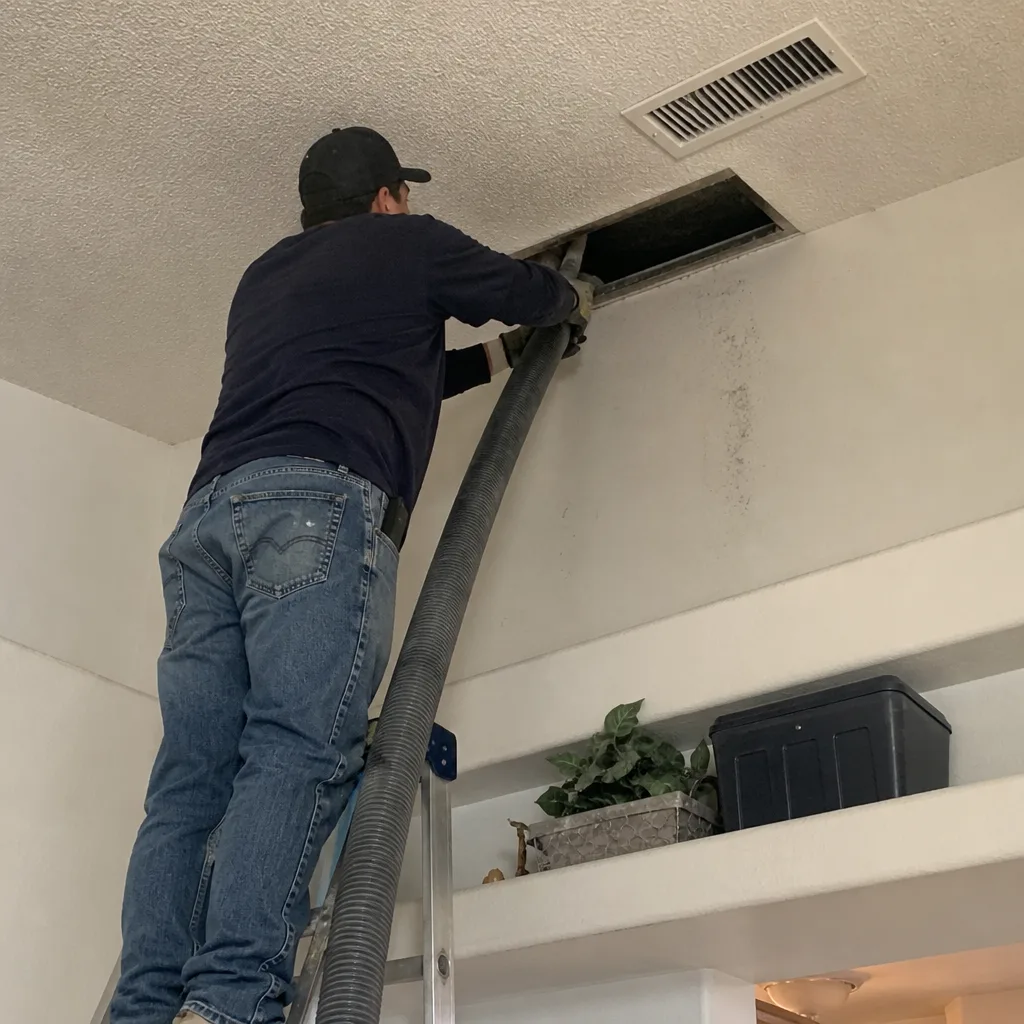 Before
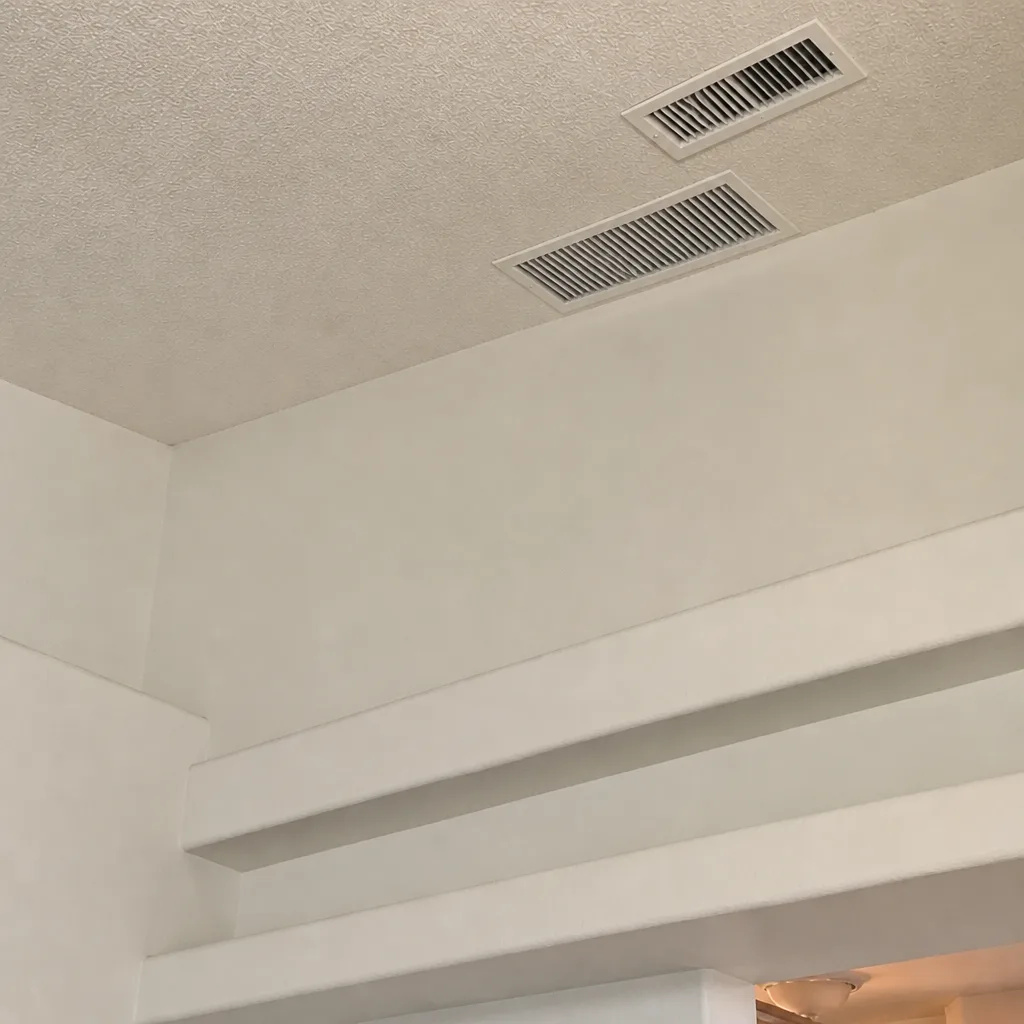 After
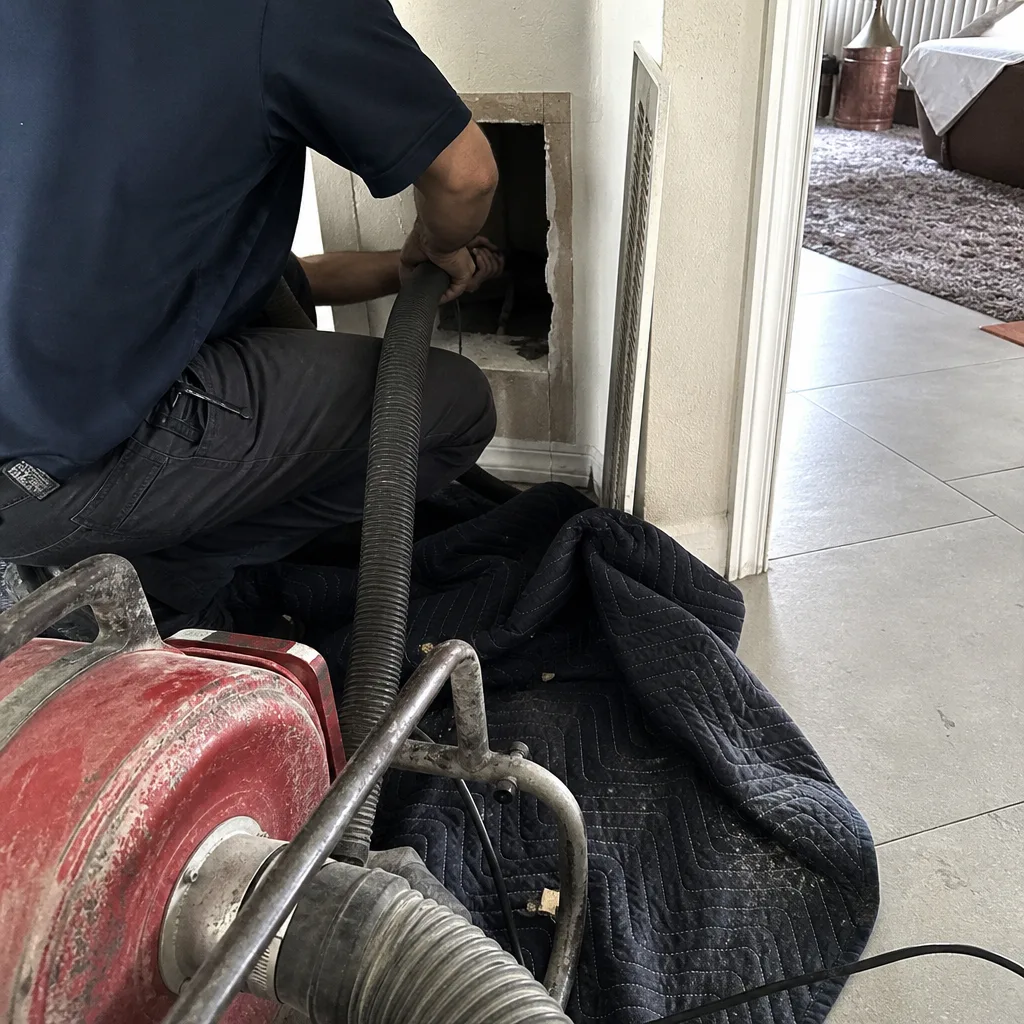 Before
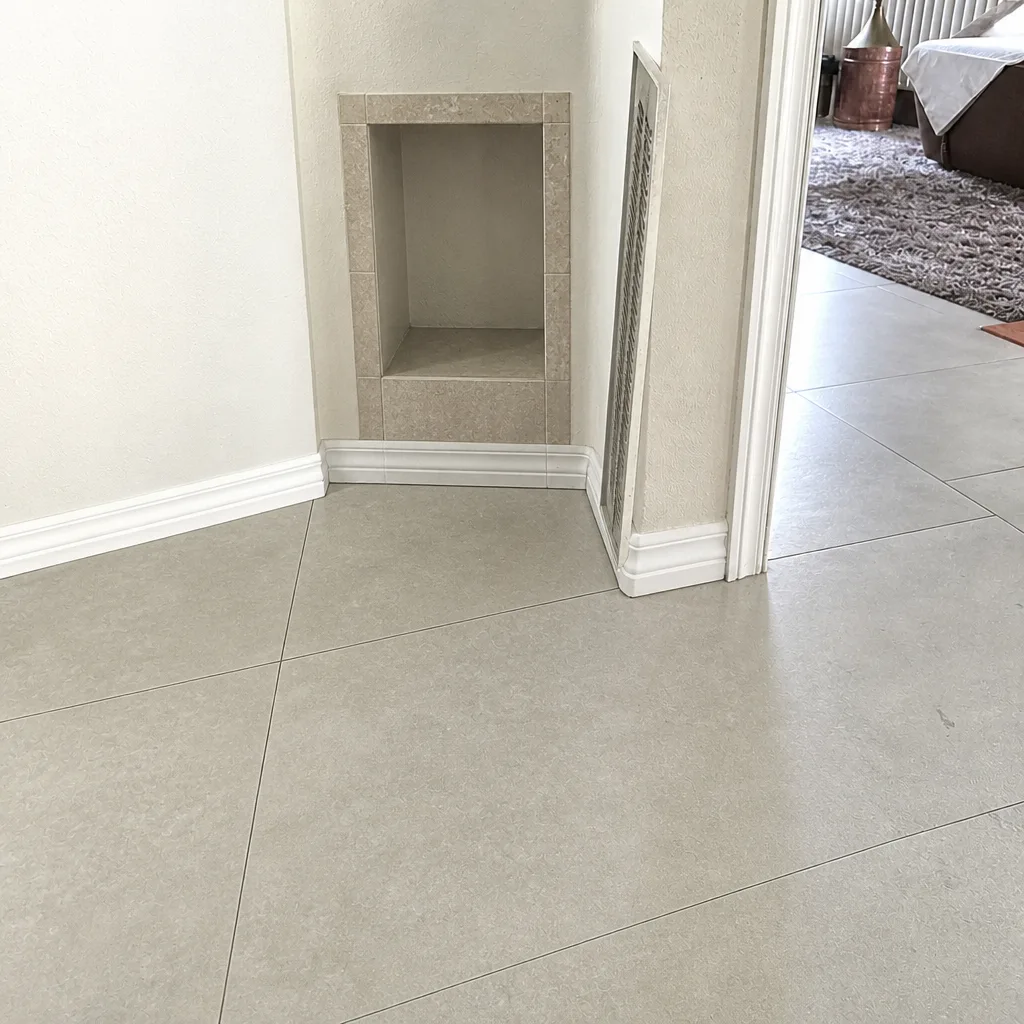 After
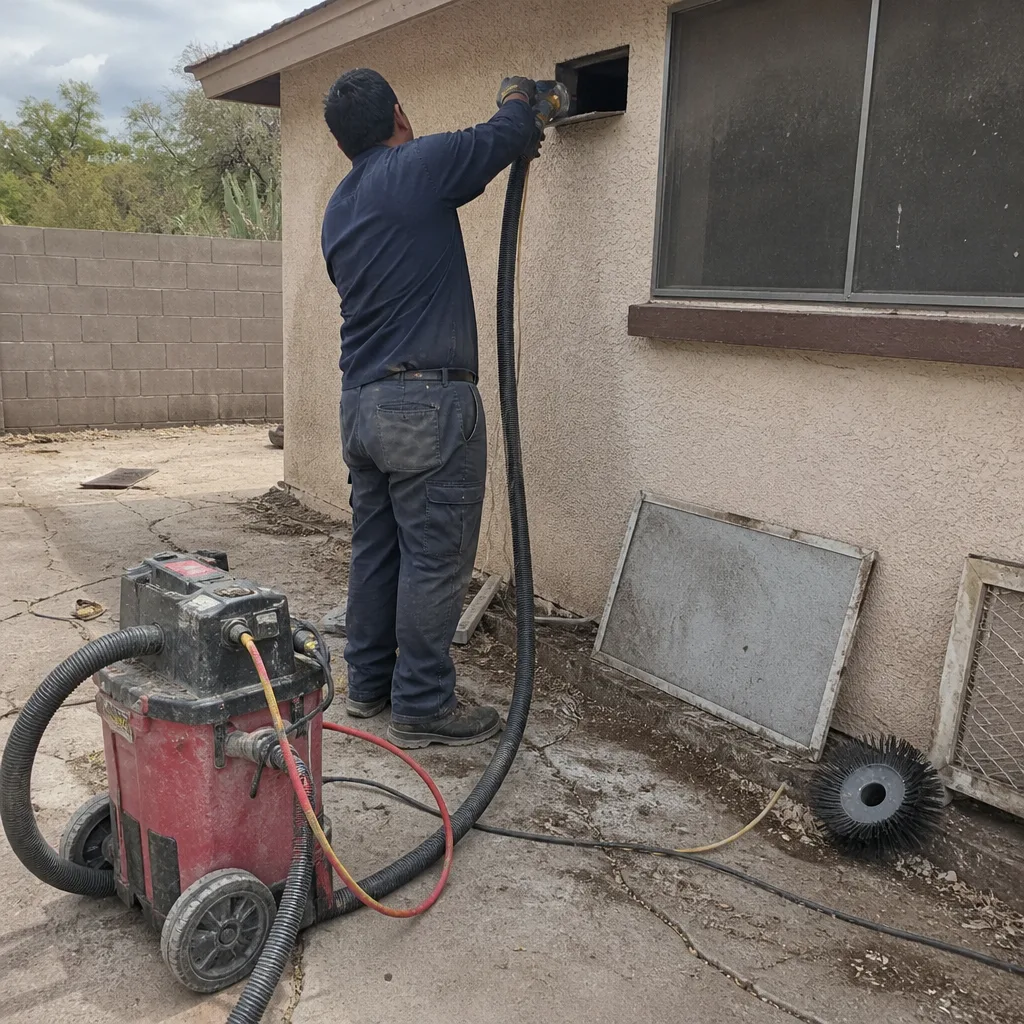 Before
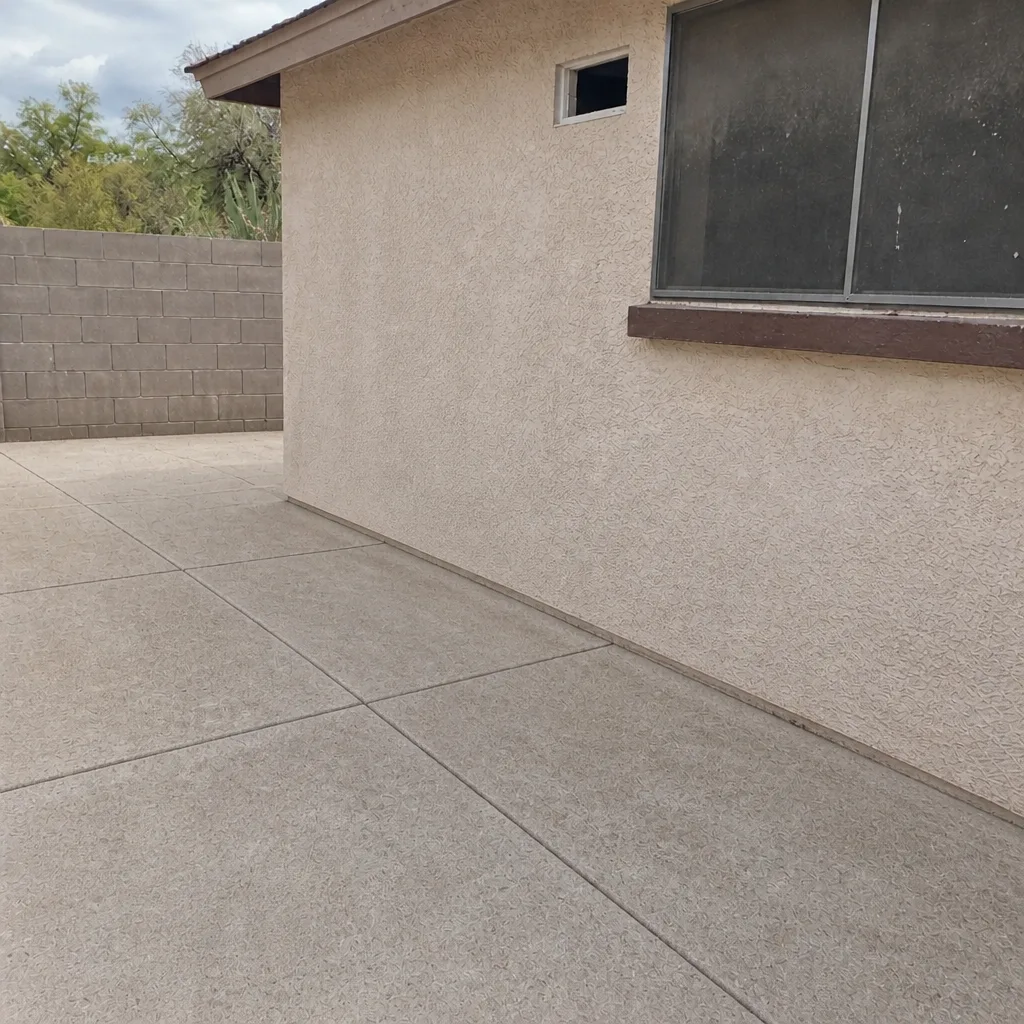 After
When to Call a Professional
Call a professional when the pattern is consistent, not when you notice a single dust streak. The clearest signs in a Tucson home are: dust settling on horizontal surfaces faster than it used to, airflow from certain registers that feels weaker than others, a musty smell when the system first kicks on, visible accumulation around return grilles, or a home that has never had its ducts cleaned and is over five years old. If your system has been through a moisture event, has had pest activity, or shows visible growth anywhere in the airstream, that’s a professional call, not a homeowner project. Cleaning without proper extraction and containment can make the situation worse. Blackwell Air Duct Cleaning offers free estimates in Tucson – call (855) 618-0955.
Frequently Asked Questions
The best choice for your home is the company that runs professional-grade equipment – Rotobrush rotary-brush systems, Nikro negative-air platforms, and Abatement Technologies HEPA filtration where needed – and can explain the sequence they’ll use for your specific ducts. Ask about equipment and methodology before price. A company that answers those two questions specifically is worth considering regardless of which name is on the truck. Call (855) 618-0955 to talk through your job with Blackwell Air Duct Cleaning and get a free estimate.
Most Tucson homes do fine on a five-to-seven-year interval, though that shifts with conditions. Newer homes often hit their first cleaning around the five-to-seven-year mark as construction dust settles out. Homes with pets, recent renovations, or a moisture event need attention sooner. Homes with a strong filtration setup can stretch longer. The right answer is specific to your home – a technician who inspects the ducts can tell you what the accumulation actually looks like and recommend an interval based on that, not on a marketing schedule.
Ask for before-and-after photos of your own ducts, taken during the job. Also watch for what the technician reports at the end: a serious operator will walk you through what they found (dust load, any damage, any microbial concerns), what they removed, and anything they recommend for follow-up. If a company won’t show you the pictures or walk you through the findings, that’s a red flag. A clean job leaves visible evidence of the change.
Lower quotes usually mean less equipment, less time, and less scope. A cheap quote is often built around a single rotary-brush pass with a shop-vac-grade vacuum – which doesn’t create the sustained negative pressure needed to extract debris across the whole system. The technician finishes in under an hour and the customer sees reducduced contamination, not removed contamination. The honest way to compare is: what equipment is on site, how long is the job expected to take, and is the price flat per system or per vent. Call (855) 618-0955 for a straight answer on what a real job in your Tucson home looks like – estimates are free.
It can reduce the amount of accumulated dust and debris that gets reintroduced into your airstream when the system runs. That’s meaningful for anyone sensitive to dust – and Tucson’s mineral-heavy dust load makes it a real factor. It’s not a medical treatment and doesn’t replace filtration or source control, but removing what’s already settled in the ducts is a sensible first step. Pairing a proper cleaning with a whole-home filtration setup – we’re familiar with Honeywell and Aprilaire systems – makes the effects last longer.
Yes. Blackwell Air Duct Cleaning handles three services: air duct cleaning, dryer vent cleaning, and air duct repair. Dryer vent cleaning is treated as a fire-safety service, not an upsell. Duct repair addresses the root cause of airflow problems, so cleaning around a separated joint doesn’t leave you with a system that re-contaminates itself within months. All three services run on the same professional equipment platforms and the same team. Call (855) 618-0955 to schedule an estimate.
The Bottom Line
Choosing the right air duct cleaning brand isn’t really a branding decision – it’s a technical one. The company you hire should be able to name its equipment platforms, explain how it sequences those tools through your specific duct configuration, and walk you through what it found with photos to back it up. In Tucson, where attics get hot and duct runs are long, that difference shows up in how the system performs afterward. Price should be the last question you ask, not the first. Start with the equipment, then the operator, then the price. Call (855) 618-0955 for a free estimate. We answer 24/7. Fast dispatch, 7am-7pm, Sunday through Friday.
Written by the team at Blackwell Air Duct Cleaning.