
Last updated November 15, 2026
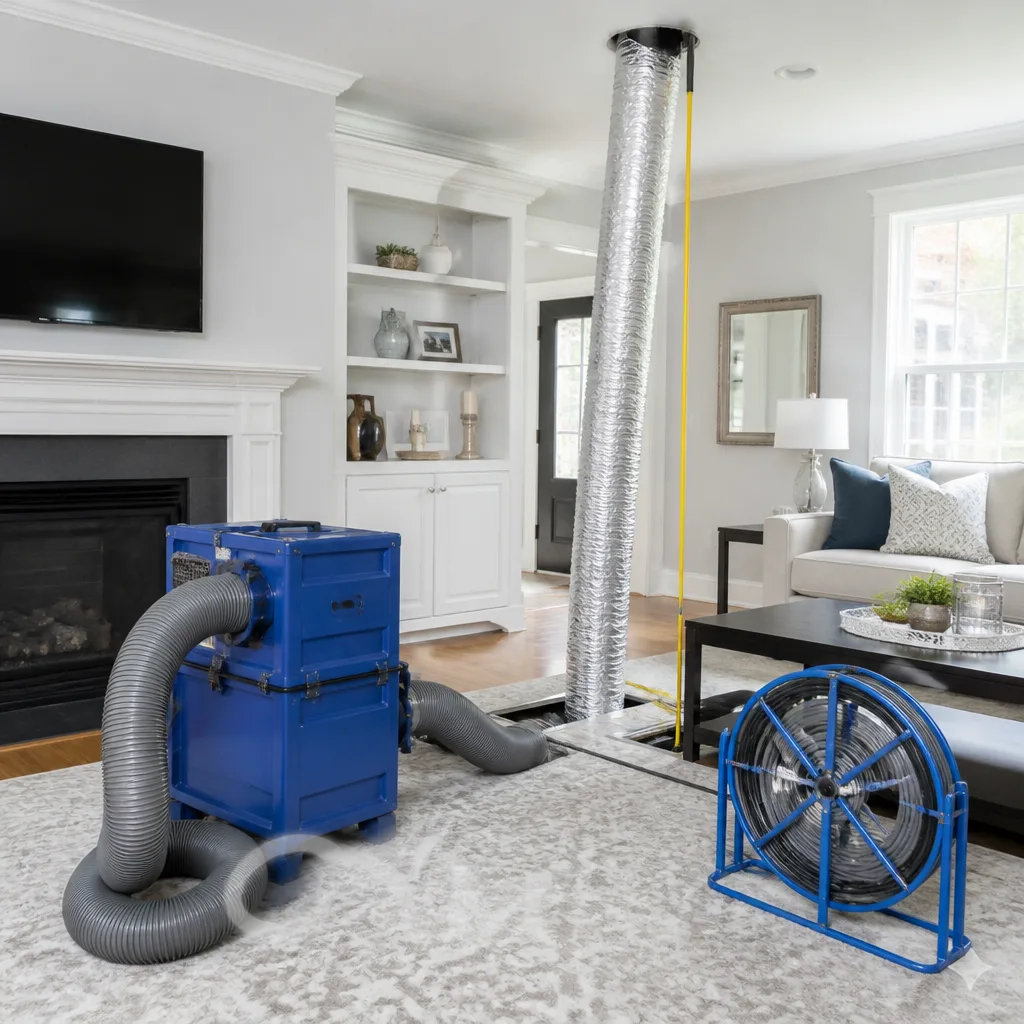 Whole-home duct cleaning
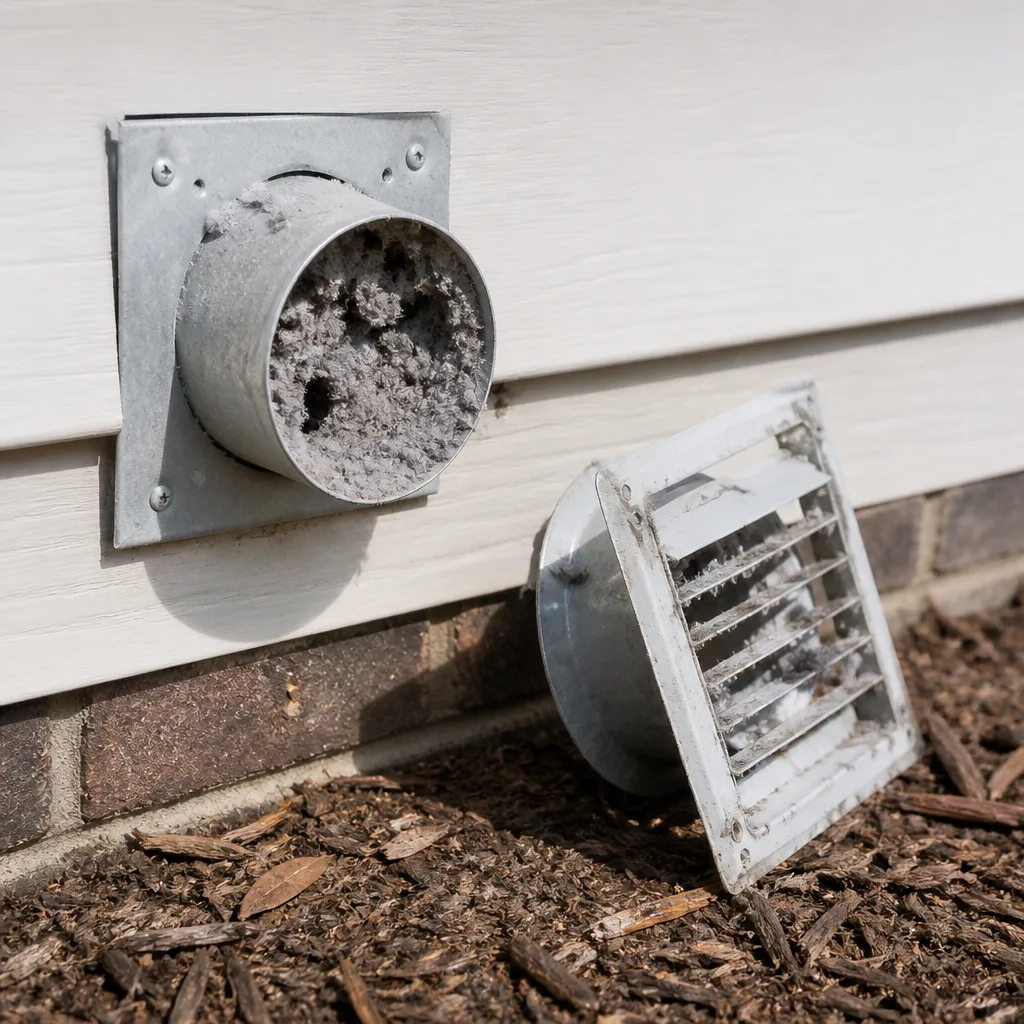 Dryer vent cleaning
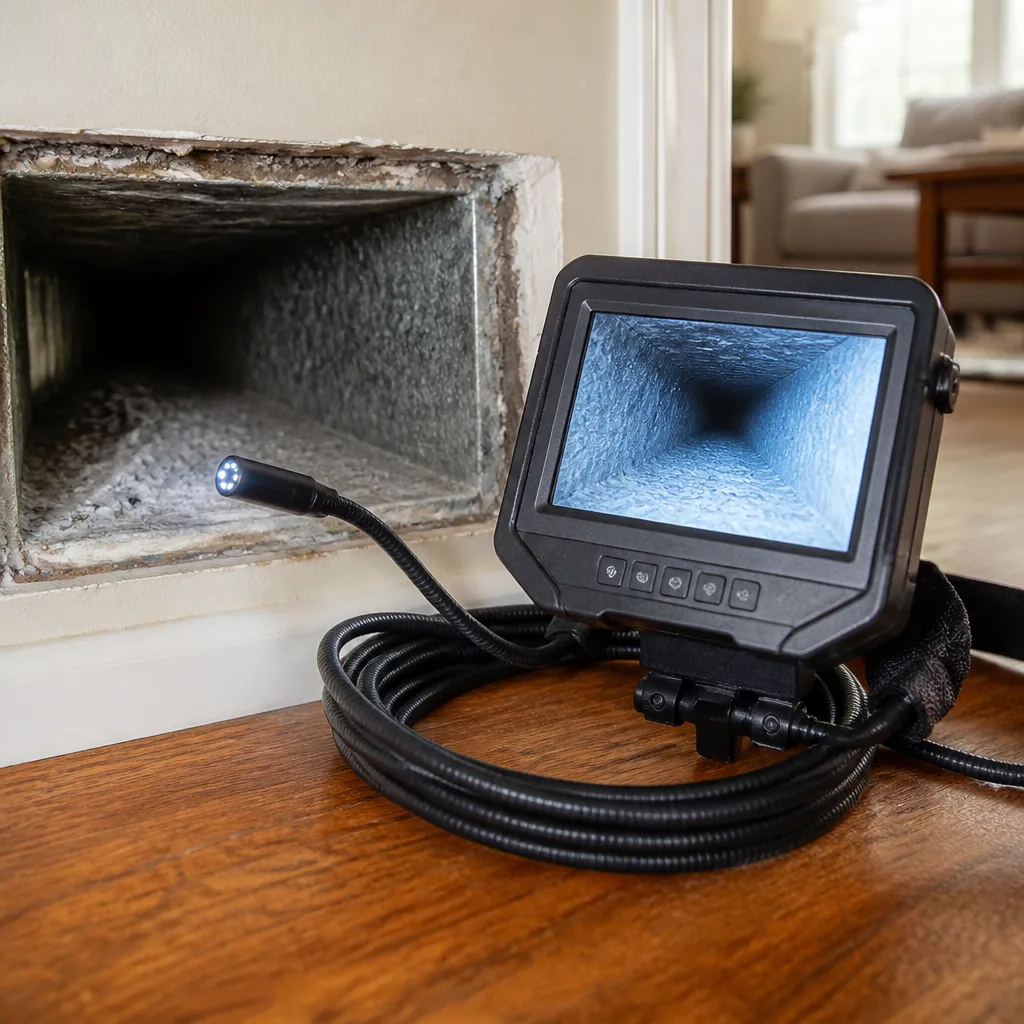 Camera inspection
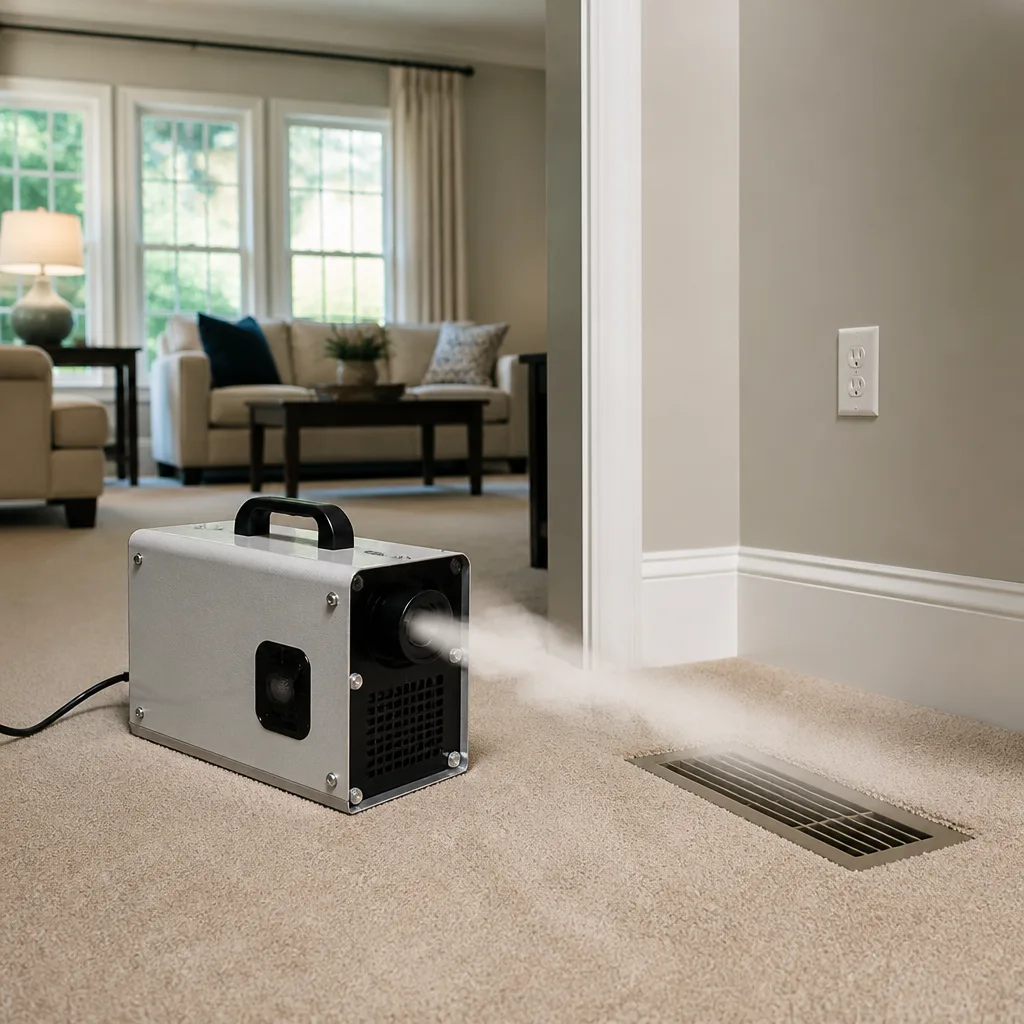 Sanitizing & deodorizing
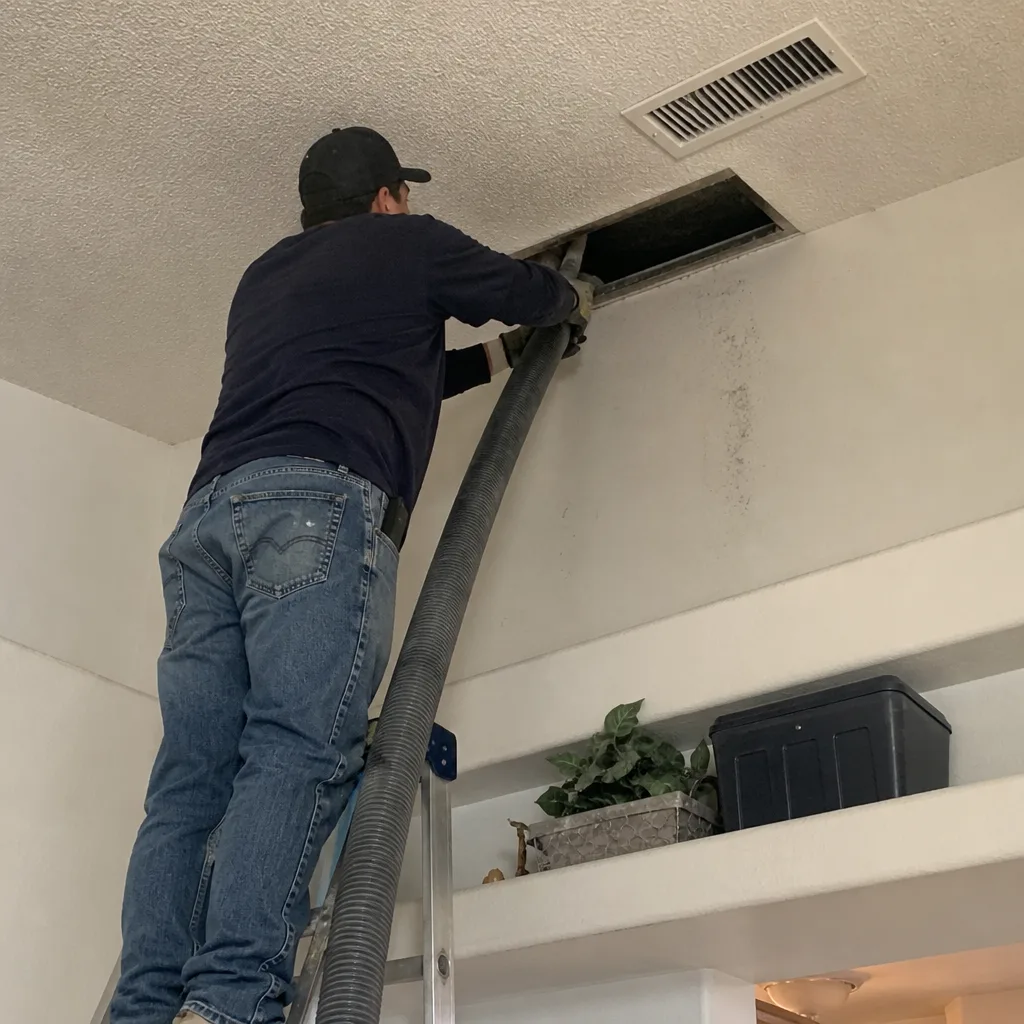
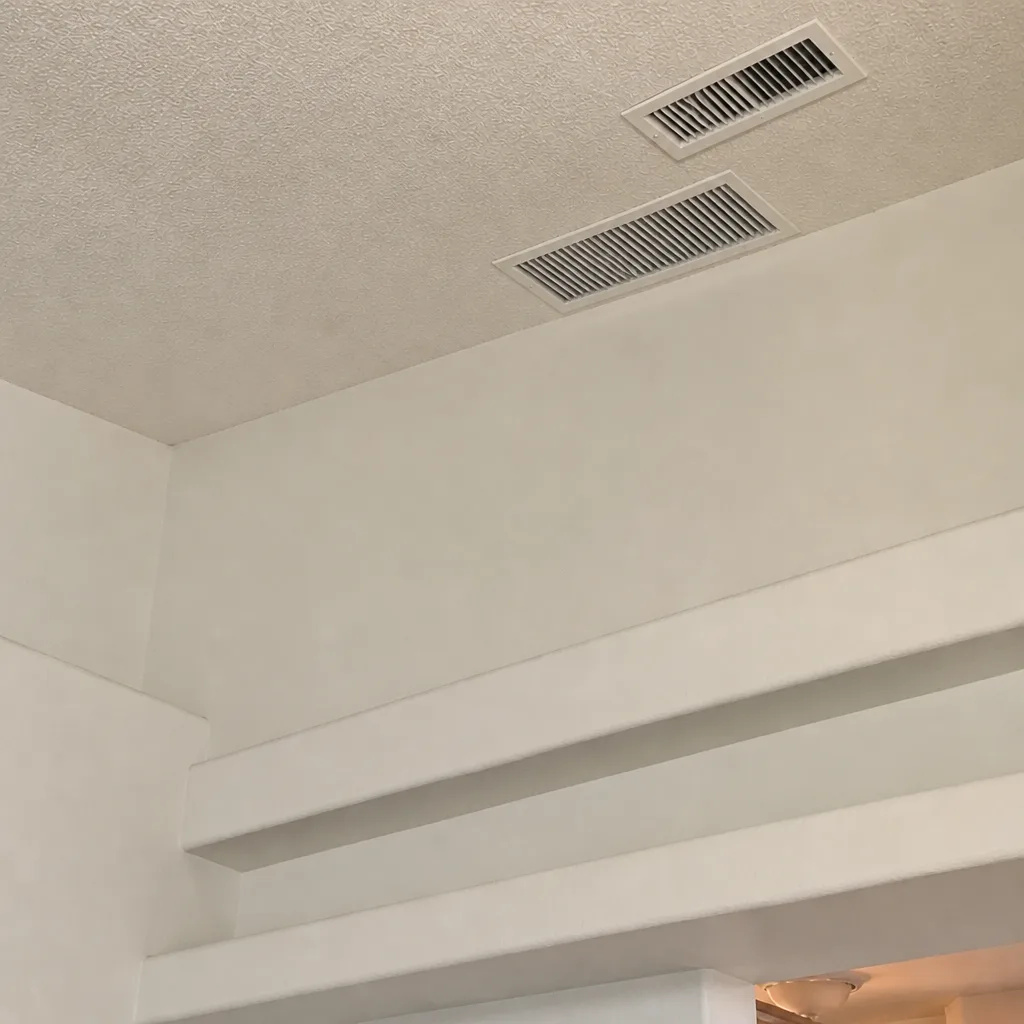
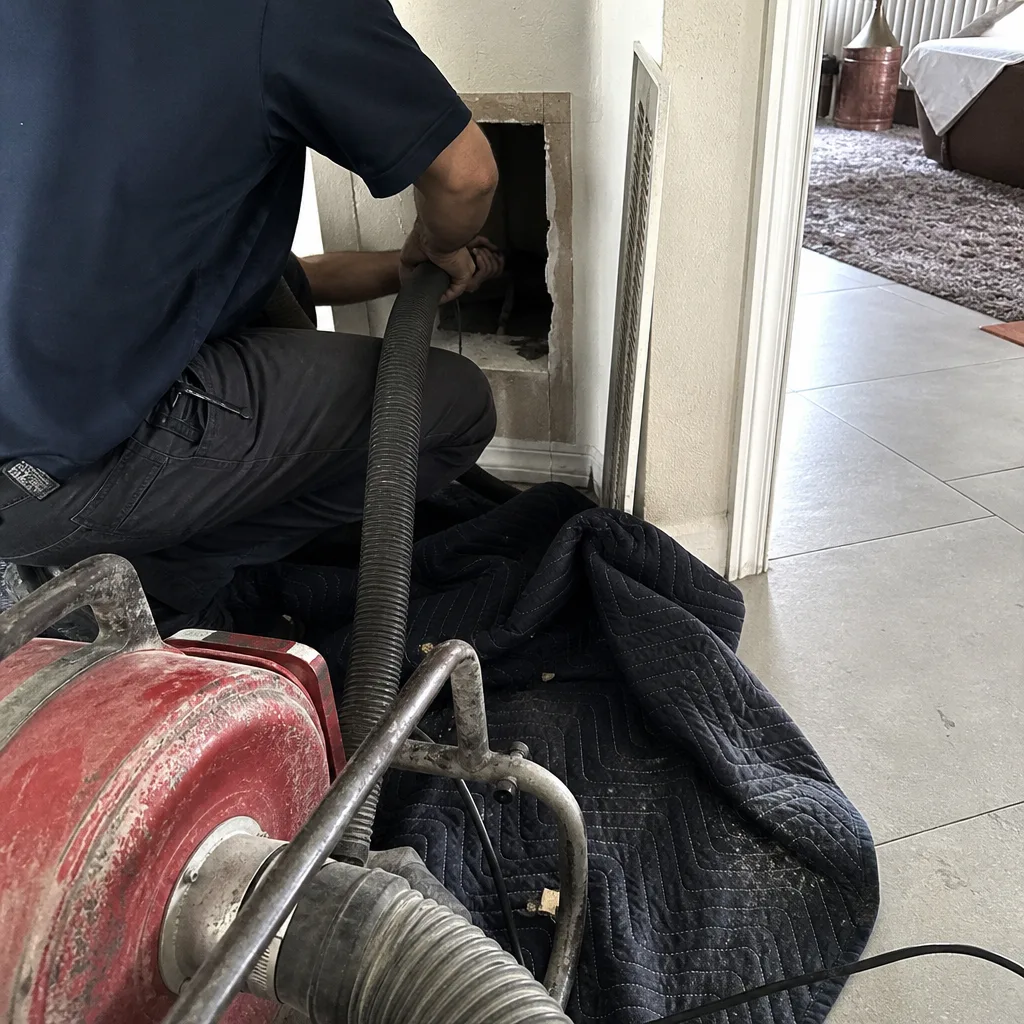
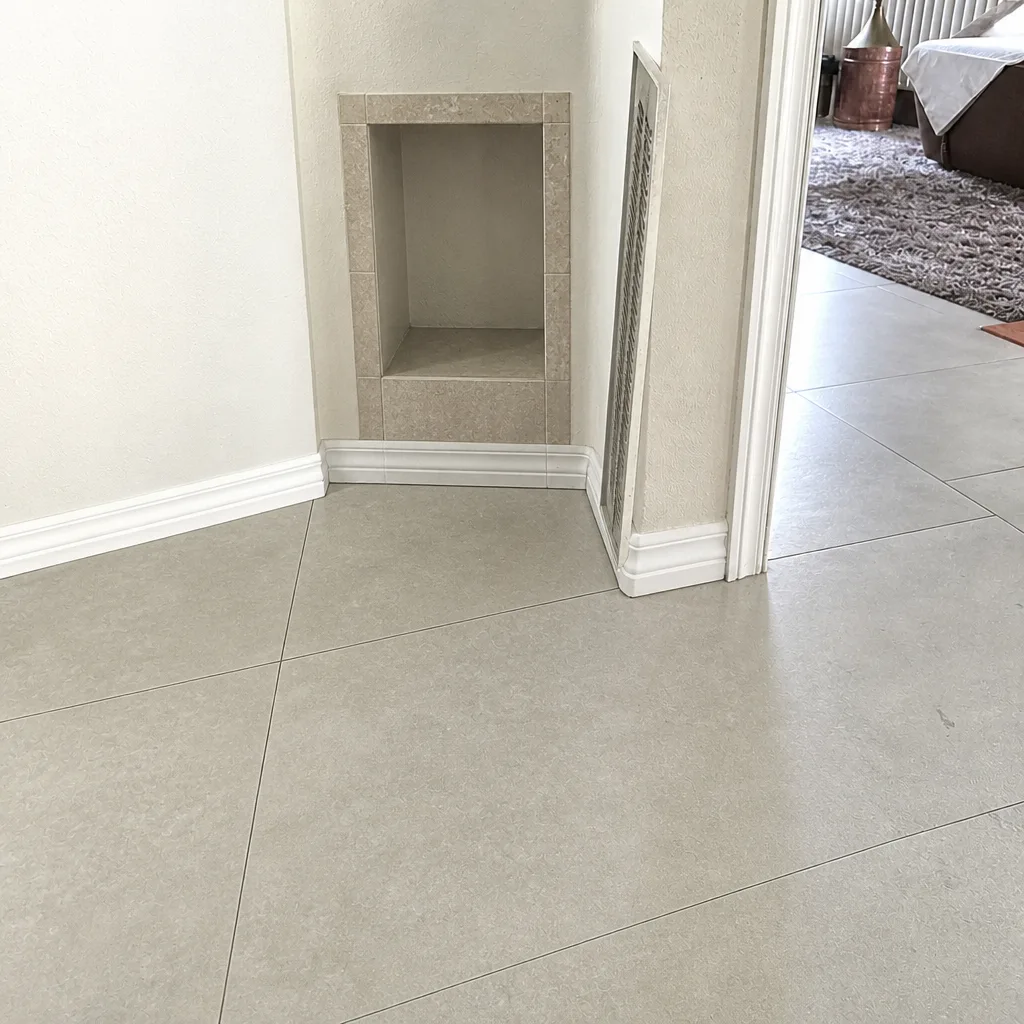
Whole-system duct and dryer vent check with before-and-after photos - you see exactly what came out of your vents
That "$99 whole-house special" is a bait ad - the real number appears once they are in your hallway, or the "clean" is a shop-vac at the register. We photograph the inside of your ducts before and after instead.
Air Duct Cleaning Cost Breakdown: The Tucson Homeowner’s Reference for 2026
You’re looking at two quotes for the same house. One is near $99 for whole-house work, the other sits around $650. Those aren’t just different prices. They’re describing different services. The gap comes down almost entirely to equipment capability, time on site, and how much of your duct system the operator actually intends to reach.
In this guide, we break down what a real air duct cleaning bill in Tucson is made of, line by line, so you can compare quotes on equal footing. You’ll see where the cost variation starts, what a detailed estimate should list, when a higher number is legitimate, and what questions to ask before anyone walks into your home. It’s the reference you want open when the next quote lands.
Quick Answer
Whole-home air duct cleaning in Tucson typically runs $350 to $700 for a routine single-system house, with larger or multi-zone homes in the $600 to $1,200 range and contaminated systems (post-renovation, mold, rodent history) climbing higher. Add-ons like dryer vent cleaning and sanitizer application push the total up from there. The written estimate sets the final price, and a fair quote should show what drives it line by line.
Styles & brands we work with
- Whole-home duct cleaning
- Dryer vent cleaning
- Camera inspection
- Sanitizing & deodorizing
Table of Contents
- How much does air duct cleaning cost in Tucson?
- What actually drives cost variation between operators
- Equipment as a pricing signal: why the floor cost is higher
- What a detailed quote should include, line by line
- Per-vent versus per-system pricing: normalizing quotes
- Tucson housing stock and why it matters to your quote
- When higher cost is genuinely justified
- A step-by-step process for comparing quotes
How much does air duct cleaning cost in Tucson?
Routine air duct cleaning in Tucson lands somewhere between $350 and $700 for a typical single-system home. Homes with two HVAC systems, rooftop package units, or a long run of flex duct in the attic usually price out between $600 and $1,200. Contaminated systems that need containment and HEPA extraction can go higher, and the estimate tells you where you land.
Here’s the reference band for the most common jobs we quote in the Tucson market:
| Job type | Typical estimate range |
|---|---|
| Single-system home, routine cleaning | $350 – $500 |
| Single-system home, heavier buildup | $500 – $700 |
| Two-system or multi-zone home | $600 – $1,200 |
| Post-renovation or containment job | $900 – $1,500+ |
| Dryer vent cleaning add-on | $120 – $250 |
| Air duct repair (see Blackwell Air Duct Cleaning for repair scope) | Quoted per job |
These are estimates, not a menu. The written estimate you receive sets the final price, and it should be based on what the technician actually sees at your house: the number of supply and return lines, the condition of the ducts, and how accessible the trunk line and plenums are. A home in the Catalina Foothills with a long attic run and tight access will price differently from a single-story home in Rita Ranch with the air handler in a closet.
We don’t quote per vent. We don’t quote a teaser number and change it once the technician is on site. One flat price per system, agreed before work starts, is the only way to keep a fair quote comparable to what actually shows up.
What actually drives cost variation between operators
The reason two Tucson quotes for the same square footage can be $99 and $650 is that they’re not measuring the same thing. Five factors explain almost all of the spread, and every one of them should show up in a detailed estimate.
- Square footage and system count. One air handler versus two changes the labor hours and the equipment setup. A single-system home is a different job than a multi-zone house with two rooftop package units.
- Number of supply and return lines. Every supply register is a connection point that needs agitation, and every return is a path where contamination collects. A house with 18 supply lines and three returns takes longer than a house with 10 and two.
- System configuration. Single-zone versus multi-zone matters, but so does the shape of the trunk line. Long horizontal runs in the attic and tight plenum space slow the work down.
- Access difficulty in Tucson’s housing stock. Slab-foundation homes often run the trunk line through the attic, which means technicians are in a hot, cramped space. Rooftop package units (common here) add a different kind of access challenge than a closet air handler.
- Condition of the system. A home that’s been cleaned before is a different job than a home with visible debris loading in the returns. Condition drives scope, and scope drives price.
When a quote skips over these drivers, that’s a signal. Either the operator hasn’t looked, or they’re pricing to win the call and planning to expand the scope on site. Both outcomes are bad for you. An honest quote names what it saw and prices the whole system.
Equipment as a pricing signal: why the floor cost is higher
Here’s the part most quote comparisons miss. The equipment an operator shows up with is a large, fixed cost that every job has to cover, and it’s the strongest signal that a low quote and a high quote aren’t offering the same service.
Truck-mounted negative-air systems with mechanical agitation are the reference standard for professional duct cleaning. They generate real vacuum pressure and use rotary brushes or air whips to break contamination loose, then extract it under negative pressure so it doesn’t redistribute into the living space. In our experience, operators running that kind of setup have a higher floor cost on every job. Portable-only outfits running shop-vac-style equipment don’t carry that cost, and their pricing reflects it.
We use Rotobrush rotary-brush systems and Nikro platforms on every job, and we bring Abatement Technologies negative-air and HEPA-filtration equipment when a system needs containment-level extraction. That’s the same family of tools restoration contractors use on contaminated buildings. The equipment is why our floor cost is higher, and it’s also why a routine job actually removes debris instead of just disturbing it.
What the equipment buys you, in plain terms:
- Real agitation. Rotary brushes knock contamination off duct walls instead of relying on airflow alone.
- Containment. Negative air keeps debris inside the extraction path rather than floating into the room.
- HEPA filtration. Fine particulate is captured, not just small debris.
- Verified result. Before-and-after photos of your own ducts show what came out.
The expensive equipment is also why operators familiar with Honeywell and Aprilaire air-quality systems can tell you whether your filtration is doing the job. Duct cleaning is one layer of an indoor air picture. The filtration and humidity side matters too, and an operator who understands both is offering more than a sweep.
What a detailed quote should include, line by line
A fair estimate in Tucson will list the scope in a way you can read. If the quote is a single number with no breakdown, ask for the breakdown. Here’s what a detailed quote should cover.
- Access port cuts and repairs. Many systems need cuts into the trunk line or plenum to reach the full run. The quote should say whether access ports are included, where they’ll go, and whether they’re sealed and closed afterward.
- Agitation and extraction of every supply and return. The scope should name the number of supply and return lines included, so you can match it to your own house.
- Trunk line and plenum cleaning. The trunk isn’t optional. If the quote only mentions the branch runs, the main path stays dirty.
- Air handler and coil area access. Depending on the system, the quote may include a light clean of the return plenum and access to the air handler.
- Sanitizer application. This is optional on most jobs and should be a separate line, not bundled silently into the base price. If it’s included, the quote should say so.
- Documentation. A written report with before-and-after photos of your own ducts. If it isn’t listed, ask whether it’s provided.
- Dryer vent cleaning as an add-on. Separate service, separate line. We treat dryer vent cleaning as its own job because buildup there is a fire-safety issue, not a courtesy sweep after the ducts are done.
When a quote reads this way, comparison is easy. When it’s a number in a text message, you’re not comparing quotes. You’re comparing sales pitches, and the cheaper one usually wins on the wrong criteria.
Per-vent versus per-system pricing: normalizing quotes
Per-vent pricing is the most common way duct cleaning gets quoted, and it’s also the most misleading. It gives you a number you can’t compare against another operator’s per-vent number, and it invites the low-balled per-vent hook followed by an expanded scope once the technician is on site.
Here’s why. A “per vent” figure can mean the register only, the branch run behind the register, or the branch and a portion of the trunk. Three operators can quote “per vent” and mean three different scopes. The only way to compare is to normalize on the whole system.
Normalization, step by step:
- Count your supply and return lines yourself. The number is on your registers and return grilles.
- Note how many HVAC systems the house has. One air handler versus two changes the job.
- Ask each operator for a flat per-system quote that covers every supply and return, the trunk line, and the plenums.
- Ask what’s excluded: sanitizer, access port repair, documentation, dryer vent.
- Ask what equipment they use. Rotary brush and negative air versus portable only tells you a lot about what the quote actually buys.
Once quotes are normalized this way, the spread narrows and the real differences show up where they belong: equipment, time, scope, and documentation. A $99 quote that turns out to be “per vent, we’ll discuss the trunk on site” isn’t a $99 job. It’s a starting number. The whole-system figure is the one you can actually compare.
Tucson housing stock and why it matters to your quote
Tucson homes were built to handle desert heat, and the way they’re built shapes what a duct cleaning job involves. Most of the housing stock here runs ductwork through the attic, often with a long horizontal trunk line and a spider of flex branches feeding each room. That matters for pricing in a few concrete ways.
Slab-foundation construction is the norm in Tucson, which means the air handler lives in a closet, in the attic, or on the roof as a package unit. Each of those is a different access job. A rooftop package unit in the middle of summer is hot work, and the technician has to reach it without disturbing the roof. An attic air handler with flex branches in a tight triangle of space takes time to agitate properly. A closet air handler is faster, but the plenum access is tighter.
The desert climate plays a role too. Fine dust in Tucson moves into return lines faster than in more humid climates, and the return grille is often the first place it shows. When we look at a system in Tucson, we’re looking at how much dust is in the returns, whether the flex branches have separated at the collars, and whether the attic run is long enough to need extra agitation time. All of these are legitimate cost drivers, and all of them should show up in the estimate.
Neighborhood to neighborhood, the pattern holds. A home in Oro Valley with a long attic run quotes differently from a single-story home in Vail with a closet air handler. Same city, different job. Tucson isn’t one market for duct cleaning. It’s a dozen local variations, and the estimate needs to reflect the house in front of it.
When higher cost is genuinely justified
Some jobs cost more because they’re bigger jobs. That’s not upselling. It’s scope. Here are the scenarios where a higher quote is legitimate, and why.
- Post-renovation cleaning. Drywall dust, sawdust, and construction debris move straight into the return system. A post-renovation job usually needs containment and HEPA extraction to avoid redistributing fine particulate. That’s a bigger job than a routine clean.
- Confirmed mold presence. If a technician finds visible growth inside the ductwork or on the coil, the job moves from cleaning to remediation-level scope. Negative air containment becomes non-negotiable, and the price reflects the containment setup.
- Rodent intrusion history. Rodents leave contamination behind, and ductwork is a common path. A confirmed history means the system needs more thorough removal and, often, sanitizer afterward. A routine quote won’t cover it.
- Older flex duct systems. Flex duct from earlier decades is often torn, sagging, or separated at the collars. A system that’s lost its integrity needs air duct cleaning and often repair, not just cleaning alone.
- Access difficulty. A long attic run with tight turns, or a system with limited access ports, takes more time. Skilled access work is part of the scope, and it shows in the price.
When a higher quote is justified, the estimate should say so in a way you can read. “Post-renovation containment” or “flex duct repair” on the line item, with a reason attached. If the higher quote doesn’t explain itself, ask why before you accept it.
A step-by-step process for comparing quotes
Here’s the process we recommend to Tucson homeowners who are weighing competing estimates, and it’s the one that ends with a fair number instead of a bait-and-switch invoice.
- Get three quotes, all written. Verbal or text-message quotes aren’t comparable. Ask for a written estimate that lists scope, equipment, and add-ons separately.
- Ask what equipment the operator uses. Rotary brush and negative air with HEPA filtration is the reference standard. If the answer is vague, treat the quote accordingly.
- Ask for a whole-system price, not a per-vent price. Normalize every quote on the same scope.
- List your own supply and return count and system count. Bring the numbers to the comparison so you can spot when a quote is using a smaller scope to win the call.
- Ask what’s included. Sanitizer, access port repair, documentation, dryer vent. Get every add-on named.
- Ask for documentation after the job. Before-and-after photos of your own ducts. If it’s promised, put it in writing.
- Compare on flat price, not headline price. The final number is the one to compare, and the written estimate sets the final price.
One more thing: ask whether the quote is one flat price per system agreed before work starts, or whether it’s a starting point. If the answer isn’t clear, it’s a starting point. Every operator who does honest work will tell you the truth on this question, because it’s the only way the number is meaningful.
Common Mistakes to Avoid
- Comparing a per-vent quote to a whole-system quote. They aren’t measuring the same job. Normalize on the scope before you compare the number.
- Choosing on the headline price alone. The $99 whole-house offer is usually a starting number, not a flat price. The written whole-system quote is what you actually pay.
- Skipping the equipment question. A portable-only operator and a truck-mounted negative-air operator are offering different services at different costs. If you don’t ask, you can’t tell which quote you’re looking at.
- Assuming the trunk line is included. Many low quotes cover branch runs and skip the trunk. In a Tucson attic, the trunk is where the debris concentrates. Confirm it’s in the scope.
- Forgetting the dryer vent. Dryer vent cleaning is a separate, fire-safety-relevant job. It’s not a courtesy sweep, and it shouldn’t be a stale add-on that gets dropped from the scope.
- Not asking for documentation. Before-and-after photos of your own ducts are how you know the work was done. Ask for them in writing before the job starts.
- Ignoring access port repair. Cuts into the trunk line need to be sealed properly afterward. A quote that doesn’t mention it may leave you with a leak in the attic.
See the difference
 Before
 After
 Before
 After
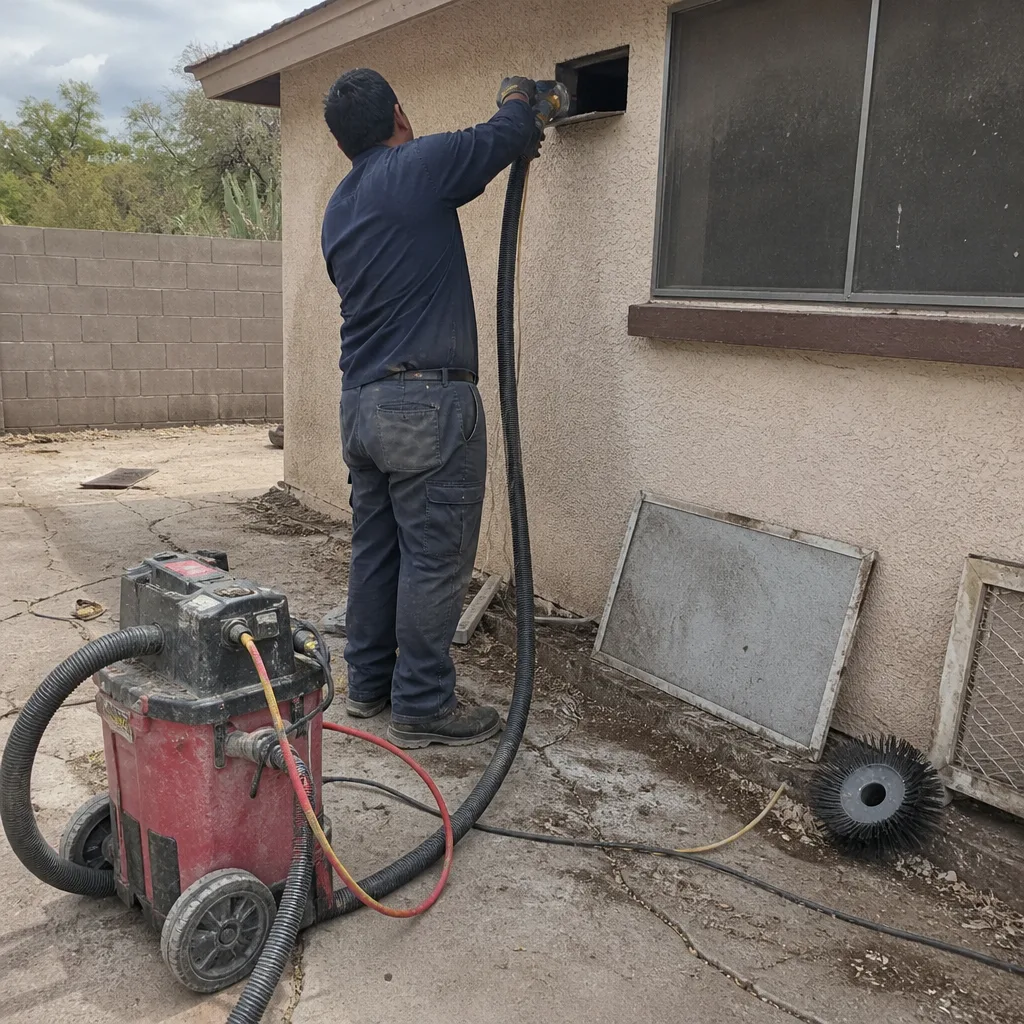 Before
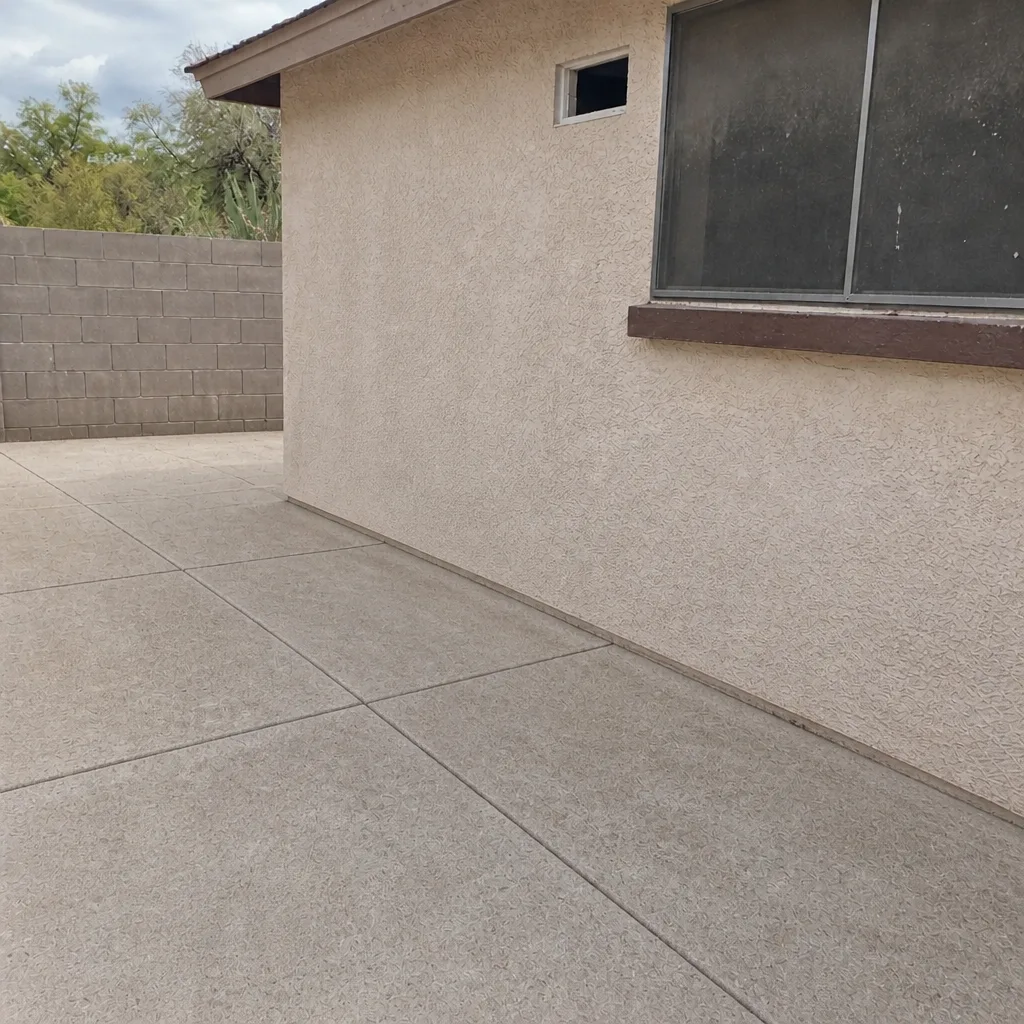 After
When to Call a Professional
If your airflow is noticeably weaker than it used to be, if dust is returning within days of a deep clean, if your energy bills are climbing without a change in habits, or if someone in the house has had a run of allergy symptoms that worsen indoors, those are all signals worth a professional look. They’re also signals that a proper whole-system job is the right move, not a shop-vac sweep. A technician should be able to see what’s actually inside the ductwork and give you a written estimate before any work starts.
For the equipment side, professional-grade matters. Rotobrush rotary-brush systems and Nikro platforms are what the trade uses, and Abatement Technologies negative-air machines are what contained remediation-level jobs run on. If a system needs duct repair rather than just cleaning, get that on the estimate before the cleaning begins, because cleaning around damage doesn’t fix the airflow problem. Blackwell Air Duct Cleaning offers free estimates in Tucson. Call (855) 618-0955. We answer 24/7. Fast dispatch from 7am to 7pm, Sunday through Friday.
Frequently Asked Questions
Most routine whole-home duct cleanings in Tucson estimate between $350 and $700 for a single-system home, and $600 to $1,200 for homes with two systems or more complex duct runs. Contaminated or post-renovation jobs climb from there. The written estimate sets the final price and should list the scope line by line. Call (855) 618-0955 for an exact quote – estimates are free.
Because they usually describe a smaller job. A cheap quote often skips the trunk line, or covers branch runs only, or uses portable-only equipment instead of a truck-mounted negative-air system. Once you normalize on the same scope, the spread narrows fast. The whole-system flat price is the only number worth comparing. Call (855) 618-0955 to talk through your system and get a fair number – estimates are free.
Before-and-after photos of your own ducts. Ask for them in writing before the job starts, and confirm the report will include them. A proper documentation package shows the ducts and returns before the job and after, not generic stock photos. If an operator can’t promise this up front, push back. Call (855) 618-0955 for a written estimate and a documentation promise – estimates are free.
There’s no single answer for every home, but most Tucson homes fall into the every-three-to-five-years range for a routine cleaning, and sooner if you’ve had recent renovation, a pet, or visible debris in the returns. Homes in dustier areas or with older flex duct systems may need a closer look. If airflow is noticeably weaker, get a technician to look. Call (855) 618-0955 for an exact quote – estimates are free.
Not directly, but it affects scope. Fine desert dust loads up returns and branch runs faster than in more humid climates, which can push a routine clean toward a heavier-buildup job. Long attic runs and rooftop package units also add time on site, and that’s factored into the estimate. The number reflects the house, not the zip code. Call (855) 618-0955 for a quote based on your actual system – estimates are free.
No. Dryer vent cleaning is a separate, fire-safety-relevant service, and it should be a separate line on the quote. We don’t bundle it to inflate the total. If you want it, ask for it as its own item so you can see what it costs. Call (855) 618-0955 for an exact quote on both – estimates are free.
The Bottom Line
Duct cleaning pricing in Tucson doesn’t really vary because operators are guessing. It varies because they’re offering different jobs. The variation comes down to equipment, time on site, and how much of your duct system the quote actually covers. Once you normalize on whole-system scope, compare on equipment and documentation, and treat the written estimate as the final number, the spread narrows and the better quote usually becomes obvious.
What you should leave with from this guide: call three operators, get written whole-system quotes, ask about equipment, ask what’s included, ask for before-and-after photos of your own ducts. The price differential between the low number and the serious number is the price of doing the job once instead of twice.
Contact Blackwell Air Duct Cleaning
If you’re ready to compare a fair number against the quotes you already have, we’re glad to give you one. Blackwell Air Duct Cleaning connects Tucson homeowners with independent local professionals who work with professional-grade equipment and give you a written estimate before anything starts. Our technicians have up to 11 years of experience. One flat price per system, agreed before work starts. Before-and-after photos of your own ducts, every job. Call (855) 618-0955 for a free estimate. We answer 24/7. Fast dispatch from 7am to 7pm, Sunday through Friday.
Written by the team at Blackwell Air Duct Cleaning.