
Last updated November 15, 2026
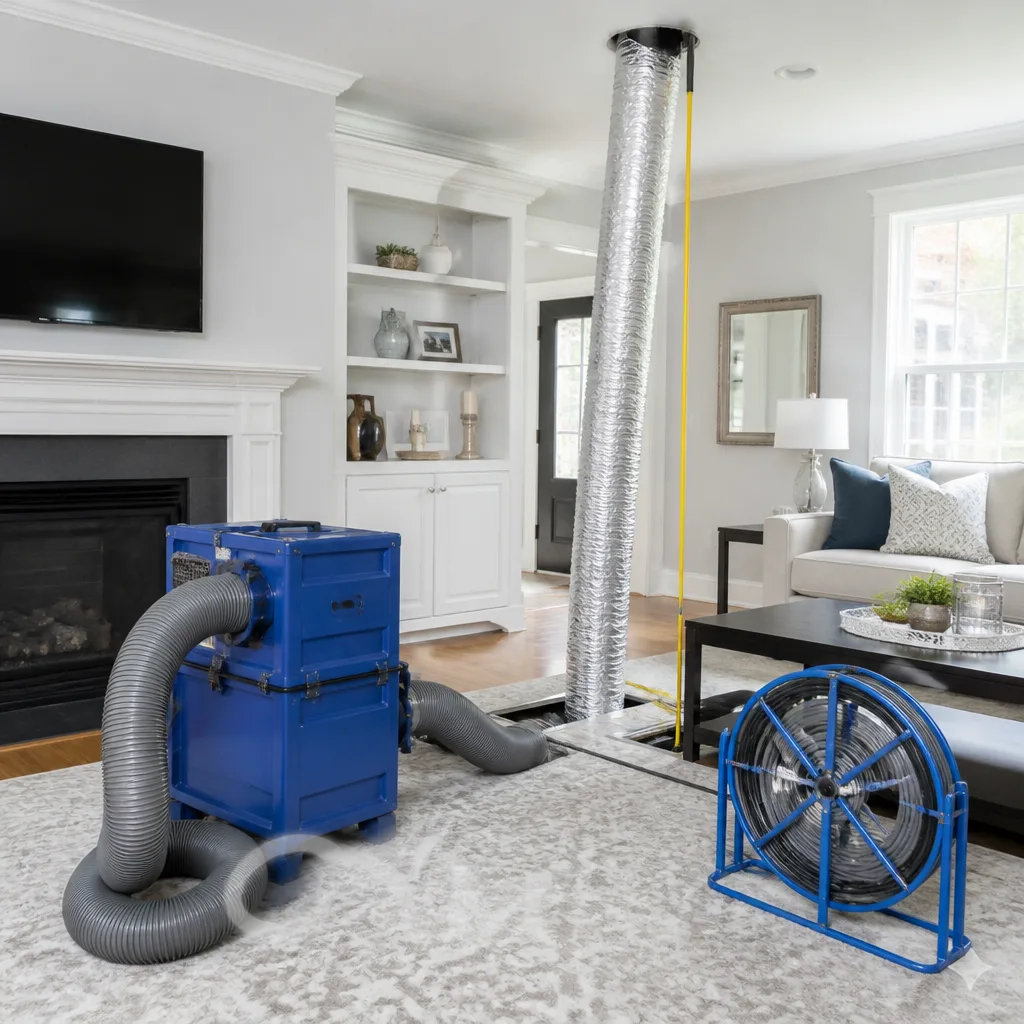 Whole-home duct cleaning
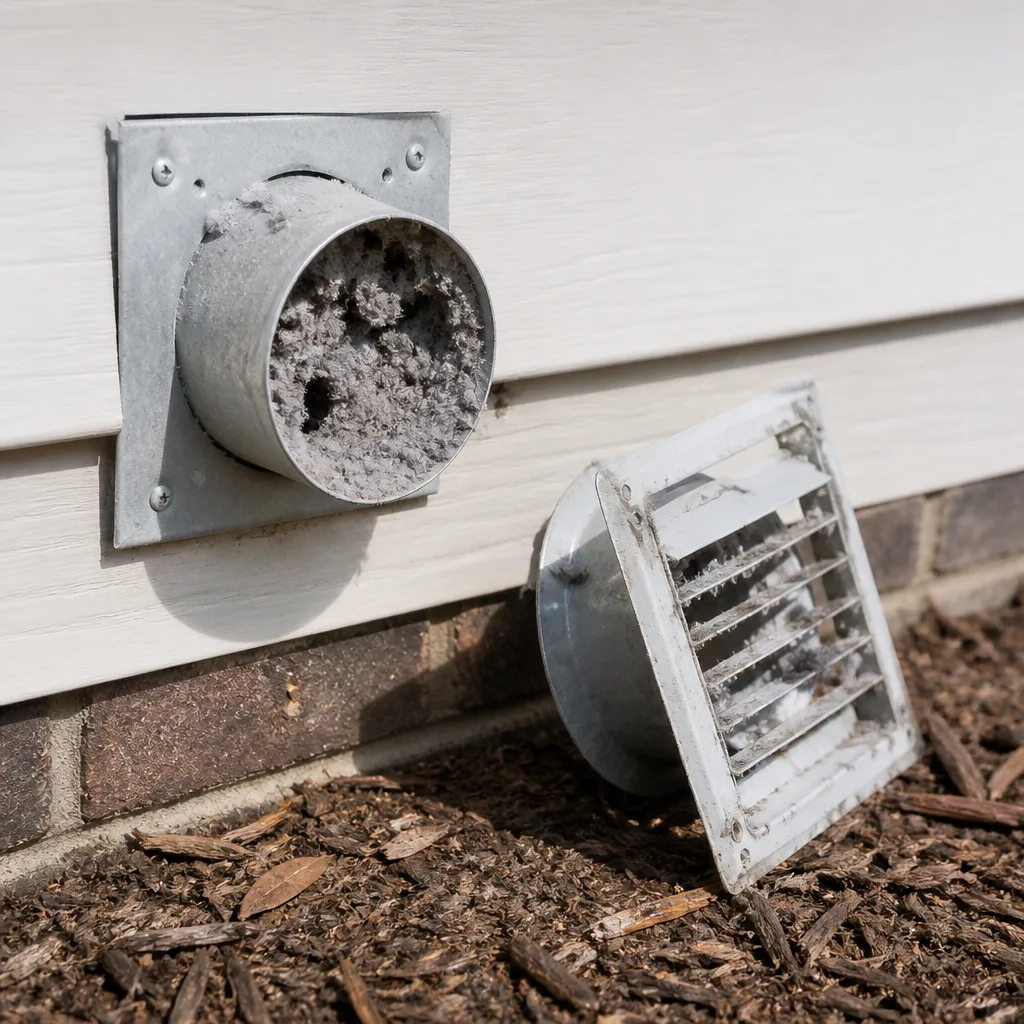 Dryer vent cleaning
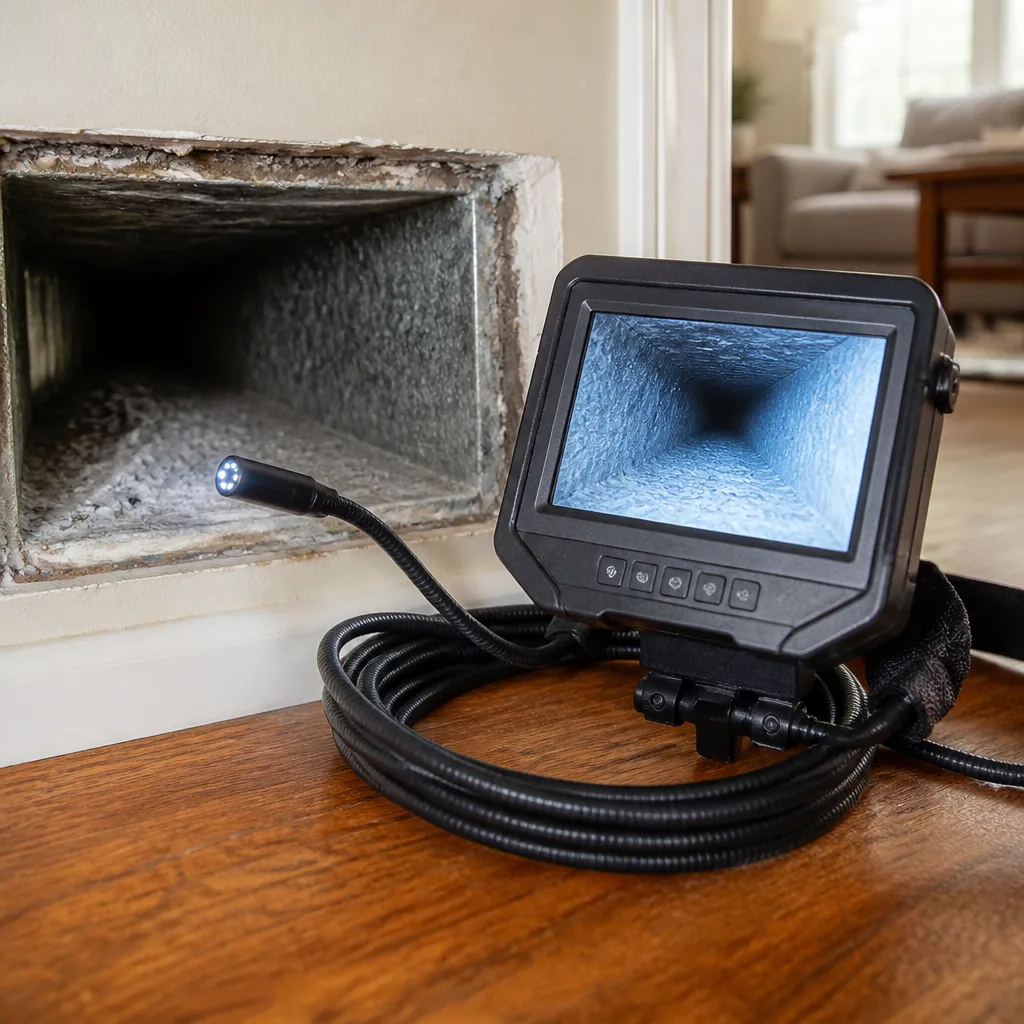 Camera inspection
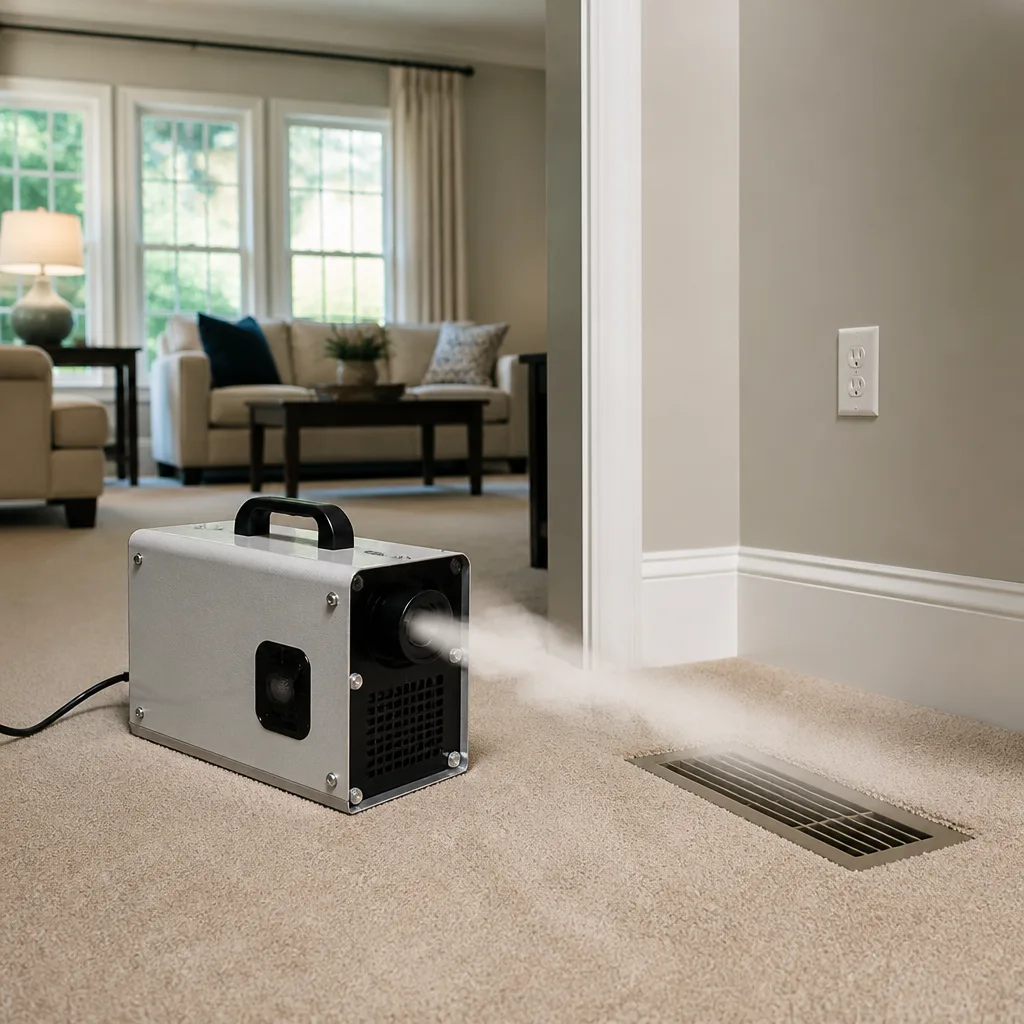 Sanitizing & deodorizing
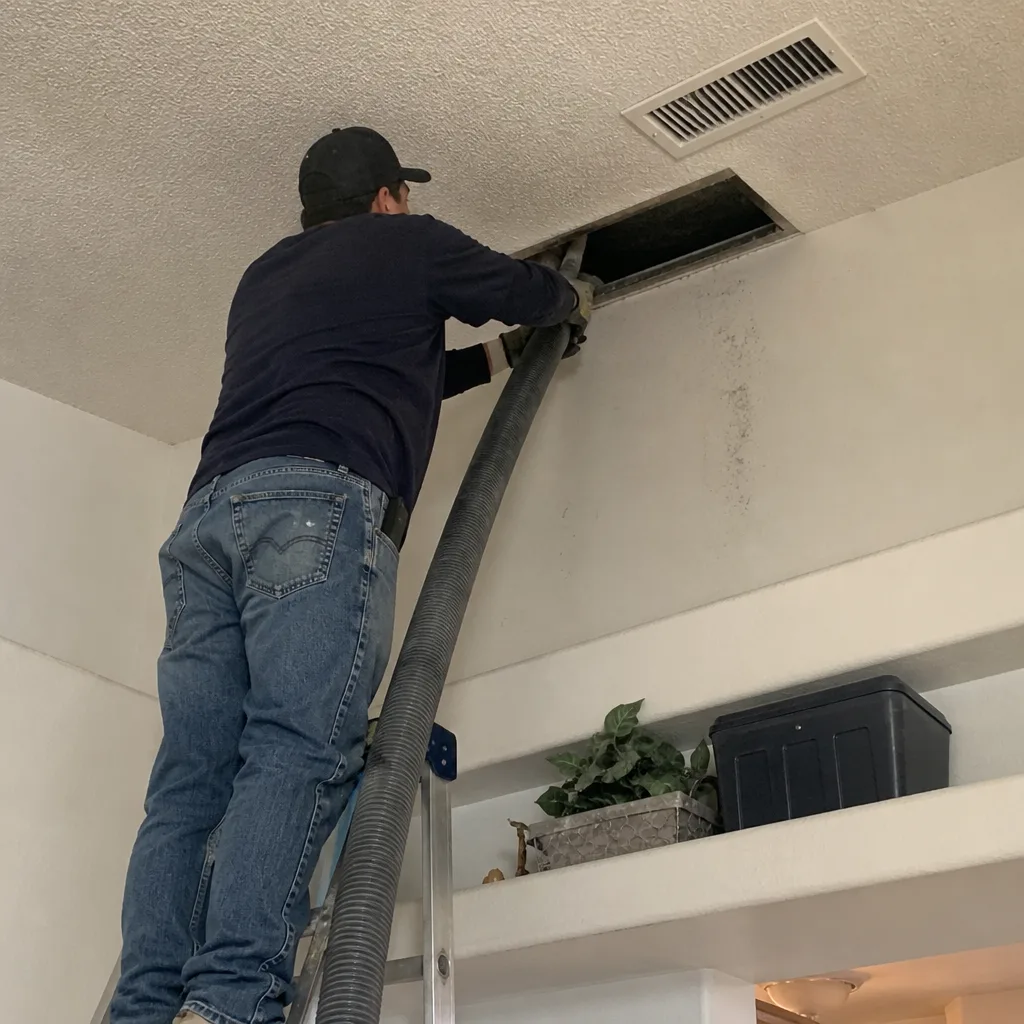
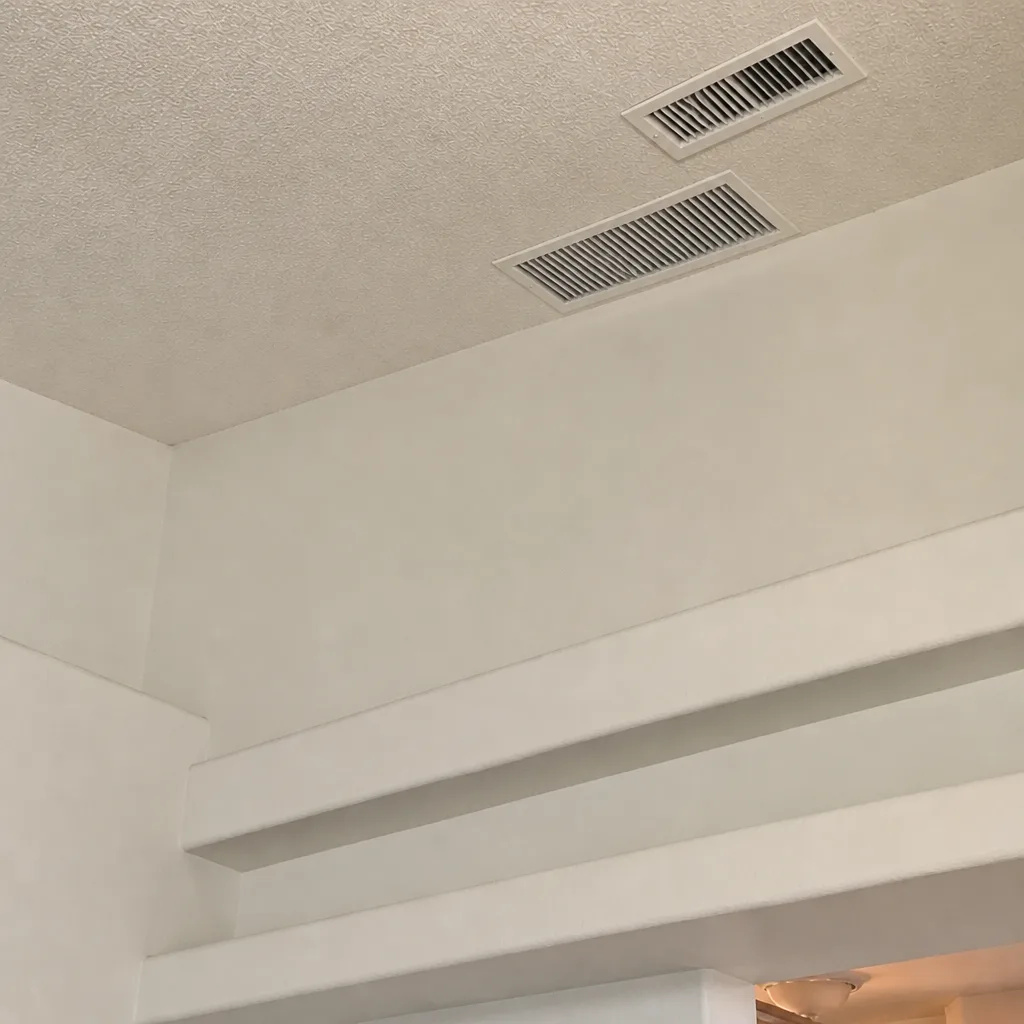
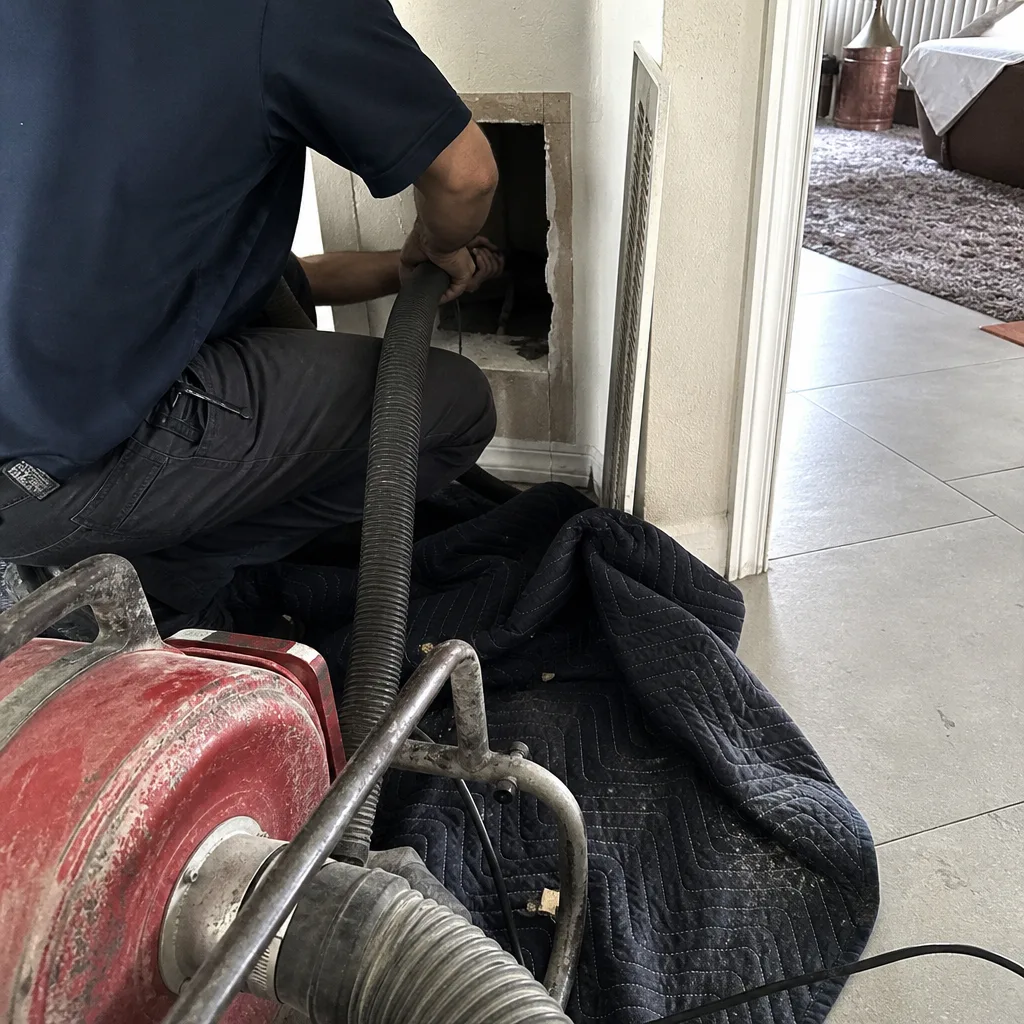
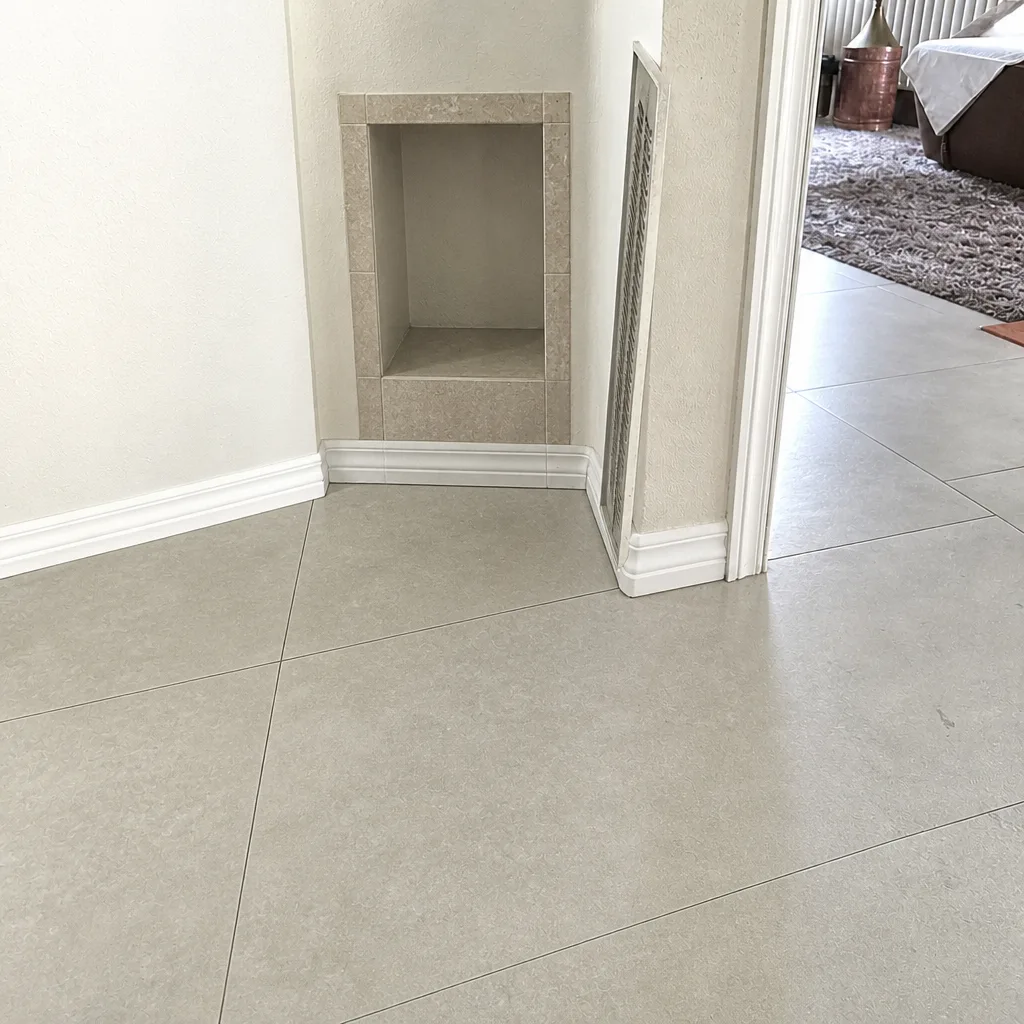
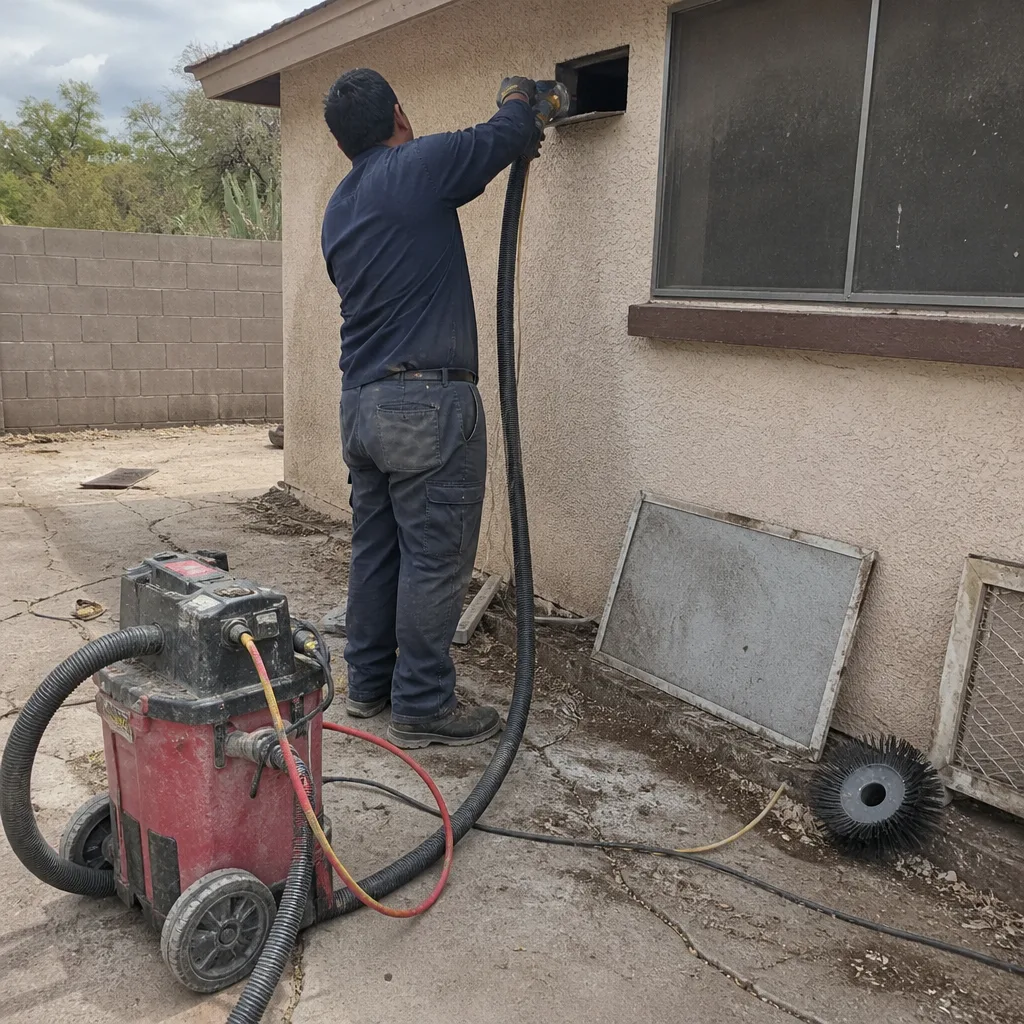
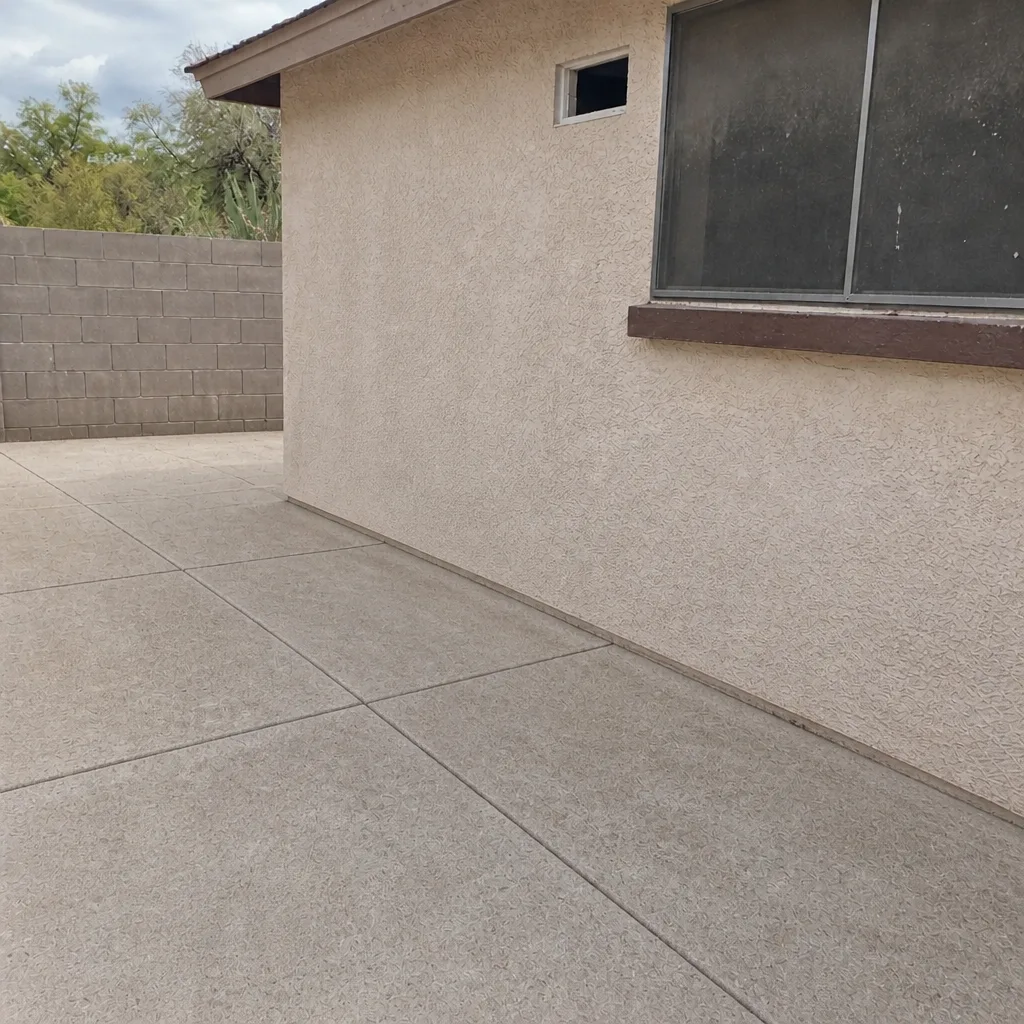
Whole-system duct and dryer vent check with before-and-after photos - you see exactly what came out of your vents
That "$99 whole-house special" is a bait ad - the real number appears once they are in your hallway, or the "clean" is a shop-vac at the register. We photograph the inside of your ducts before and after instead.
Air Duct Cleaning Warning Signs: A Tucson Homeowner’s Reference Guide
A sudden increase in dust settling on your furniture after a monsoon storm isn’t always a housekeeping problem. It can mean your duct seals failed under pressure differential changes and are now drawing particulates straight out of unconditioned attic space. Most warning sign lists stay at the surface: “your ducts look dirty, so clean them.” That advice skips the part that matters, which is figuring out why the dust is there in the first place. This guide walks through the specific symptoms Tucson homes produce, explains the mechanical reason behind each one, and helps you tell an urgent problem apart from routine maintenance. By the end, you’ll know what to look at, what to write down, and when to call someone.
Quick Answer
In Tucson, the warning signs that matter most are white mineral powder at your supply registers, black edging around the filter slot, brown streaking near diffusers, musty or chemical odors that appear after monsoon season, and uneven airflow between rooms. Any one of those is worth an inspection, because each points to a specific problem: caliche dust intrusion, filter bypass, moisture with particulate, or a disconnected duct section. A trained technician can tell the difference in a single visit.
Styles & brands we work with
- Whole-home duct cleaning
- Dryer vent cleaning
- Camera inspection
- Sanitizing & deodorizing
Table of Contents
- What Visual Signs at Registers and Returns Actually Tell You
- Odor Diagnostics: Musty, Burning, or Chemical
- The Room-to-Room Airflow Check You Can Do Yourself
- Energy Bill Pattern Changes That Point to Duct Problems
- Why Monsoon Season Exposes Duct Failures in Tucson
- Dust Patterns: Normal Desert Dust vs. Duct Intrusion
- When Cleaning Alone Isn’t Enough
- Rodent and Insulation Collapse Warnings
What Visual Signs at Registers and Returns Actually Tell You
Different visual warnings point to different root causes. That’s the part most homeowner guides skip. If you look at four registers and see four different things, you may have four different problems, and treating them all the same way wastes money. Here’s what to look for and what each one suggests.
White powder near supply registers
This is common in Tucson and it rarely means what people assume. That fine white film is often caliche dust – calcium carbonate from the desert soil – pulled in through a return, then deposited on horizontal surfaces near the register. If it shows up mostly at supply registers in rooms you use least, it usually means dust is entering upstream rather than being generated in the room. If it’s concentrated on the register fin itself, the likely issue is that the boot or collar isn’t sealed where it meets the drywall. The fix may be sealing, not just cleaning.
Black edging around the filter slot
Black carbon-colored streaks around the filter access panel are one of the clearest signs of filter bypass. Air is going around the filter instead of through it, carrying dust into the evaporator coil and downstream ducts. In Tucson homes with a filter grille in a hallway ceiling, this is especially common after heavy cooling season, because the pressure differential pushes harder when the system runs all day. Look at the frame edges and the drywall lip. If you see a consistent dark line where air has been slipping through, filter bypass is happening.
Brown streaking or staining near diffusers
Brown streaks near a ceiling diffuser usually mean moisture has been condensing on the grille or duct surface and holding onto particulate. This is rare in the dry months and more common during monsoon season when indoor humidity jumps. Streaking can point to an undersized duct sweating, a bath fan venting incorrectly, or a supply run passing through a hot attic zone with an uninsulated section. In our experience, brown streaking at the register means the problem is upstream of the grille, not on it.
Summary of visual signs
- White powder: caliche dust intrusion from unsealed boots or open returns.
- Black edging: filter bypass – air bypassing the filter media.
- Brown streaking: moisture meeting particulate; needs inspection for insulation or moisture source.
- Loose register screws or gaps: duct boot separation or pressure failure.
If you’re seeing two or more of these at once, that’s your signal to book air duct cleaning with a professional inspection, not just a cleaning.
Odor Diagnostics: Musty, Burning, or Chemical
Odors are often the first warning sign homeowners notice, and they’re also the most frequently misread. A musty smell and a burning smell mean two completely different things, and the wrong response wastes money or leaves a real problem unaddressed. Here’s how to sort them.
The musty monsoon smell
If your system smells earthy when you first turn it on after a long cooling season, or after a monsoon rain, moisture is the likely culprit. In Tucson, humidity spikes quickly during July and August, and a duct system with a small leak or an unsealed return can pull humid attic air in. That moisture then condenses on cold duct surfaces and supports mold growth. A musty smell that lasts longer than a few minutes after start-up is worth investigating rather than masking.
The burning dust smell at start-up
That brief hot-dust smell when the system first kicks on is usually dust burning off the heat exchanger or the fan housing, and it’s a nuisance rather than a safety emergency. But a persistent burning smell, or one that lingers more than ten minutes, needs professional attention right away. It can indicate an overheating motor or an electrical issue inside the air handler. We don’t recommend opening the air handler yourself to check; the interior is a high-voltage space and belongs to a trained technician.
The persistent chemical odor
A sharp, chemical, or cat-urine smell that doesn’t fade is one of the less obvious warnings. In Tucson, that smell is often rodent contamination in a return duct or a dead animal in the ductwork near the attic plenum. It can also point to off-gassing from degraded duct insulation or a leaking refrigerant line. Any of those requires a proper inspection before anyone cleans the ducts, because a rotary-brush clean over contamination without containment just spreads the problem through the house. This is where equipment matters: professional-grade negative-air filtration from Abatement Technologies keeps the work contained rather than pushing dust and odor into the living space.
The Room-to-Room Airflow Check You Can Do Yourself
You can tell a lot about your ductwork without any tools. What you’re looking for is asymmetry: some rooms feeling strong and others weak, or one room not cooling at all. A simple hand check at each register tells you whether you’re dealing with a whole-system problem or a single run failure.
- Turn the system to fan-only mode. This keeps the blower running without heating or cooling, so you’re testing airflow, not temperature.
- Walk to each room and hold your hand six to twelve inches from the supply register. Note whether the air is strong, moderate, or weak.
- Write the results down as a simple list, room by room. You’re looking for the outliers, not an exact measurement.
- Repeat at each return grille. A weak return on one side of the house often means an unbalanced system rather than a blocked duct.
- Check doors. A room with a closed door during the test will feel weaker even when the duct is fine. Repeat with the door open.
- Compare the weakest room to the strongest. If the difference feels extreme, you likely have a disconnected duct section, a crushed flex run, or a damper stuck closed in the attic.
What airflow asymmetry usually means in Tucson homes
Homes with flex duct in a hot attic lose efficiency every summer and the connections loosen over time. A flex run that’s been crushed by a stored box, kinked at a bend, or pulled off a collar will show up as a weak register in one room. In our experience, unevenly hot rooms in Tucson usually point to a duct repair issue rather than a cleaning issue, and no amount of cleaning will restore airflow to a run that’s disconnected. That’s why we offer Air Duct Repair as a standalone service; cleaning a broken duct is like mopping under a leak.
Energy Bill Pattern Changes That Point to Duct Problems
A single high electric bill is usually weather. A pattern of three or four bills climbing in a row, when the temperature pattern is stable, is a duct signal. What you’re looking for is the shape of the change, not the size of any one bill.
How to read the pattern
- Steady monthly climb across three or more billing cycles with no change in your cooling habits – worth an inspection.
- Sudden jump in one month – usually a weather event, an equipment failure, or a rate change, not a duct issue.
- Seasonal jump that stays high the following season – a strong indicator that duct leakage worsened, since a clean system would return to baseline.
- Bills that drop noticeably after filter replacement alone – filter loading was the problem, not ducts.
The reason duct degradation moves the bill is simple: a disconnected or unsealed return in a Tucson attic pulls 140-degree air into the system. The air handler then runs longer to reach the thermostat setpoint, and the compressor runs longer with it. You don’t need to chase a specific percentage increase to justify a call, but if the pattern is rising and stable, that’s the moment to book an inspection.
A caution here: utility rate changes, rate structure shifts, and hotter-than-average summers in Tucson all move bills too. Compare your usage history month to month, not just the dollar total, before deciding ducts are the cause.
Why Monsoon Season Exposes Duct Failures in Tucson
Monsoon season is when most duct problems in Tucson reveal themselves. The storms themselves don’t damage ducts, but they change the environment enough that weak seals fail visibly. Understanding why helps you read the warning signs you see in July and August.
The pressure differential change
A monsoon storm drops outdoor air pressure quickly and drives wind across the roofline. Attic venting pulls more outdoor air into the attic space, raising attic humidity. If your return ducts are in the attic and have small leaks, that humid, dusty air gets drawn into the system. Filters load faster, dust deposits appear on registers within days, and musty smells start. This is why a homeowner can go all spring with clean registers and then see a visible film within a week or two of the first big storm.
Why this matters for inspection timing
If you’re going to inspect ducts, and you noticed a problem during a storm, the ideal timing is soon after. Some signs fade as the attic dries out, and the technician may see less than you did in the moment. Take photos. Note which rooms showed dust first. Note whether the musty smell was worse during or just after the storm. Those details help an inspection pinpoint the failure, and they help a technician tell the difference between a seal that’s failed and one that’s just aged.
If you’ve had storm-related dust or odor issues and the symptoms have not cleared up, that’s the moment to book Tucson duct service with a proper inspection rather than a quick clean.
Dust Patterns: Normal Desert Dust vs. Duct Intrusion
Tucson homes will always have some dust. It’s the desert. The task is figuring out whether the dust you’re seeing is ordinary household dust or the signature of duct intrusion. Comparing two patterns makes this easier than it sounds.
Patterns that point to ordinary desert dust
- Dust settles evenly across surfaces in every room, and the thickness is consistent.
- Dust shows up more after windows are open during windy spring days.
- A quick wipe-down lasts weeks before surfaces look dusty again.
- Screens on windows catch noticeable dust buildup.
Patterns that point to duct intrusion
- Dust concentrates under or near specific registers, not evenly.
- Some rooms stay clean, some are coated within days of cleaning.
- Dust has a darker tint or looks like soot rather than tan desert dust.
- Dust appears within days of a professional house clean.
- Dust settles more in rooms closest to the air handler.
If you’re seeing the second set, that’s your duct system speaking. We’ve seen this pattern enough times in Tucson homes to know it’s worth a proper inspection rather than another sweep of the furniture.
When Cleaning Alone Isn’t Enough
Not every warning sign can be resolved by cleaning. In fact, cleaning some of the problems below without repair first will make the situation worse by stirring up contamination without addressing the leak. Here’s how to tell when a cleaning job needs to become an inspection-and-repair job.
Signs that you need inspection before cleaning
- Dust reappears at the registers within a week of a cleaning. Something upstream is still leaking.
- A room won’t cool regardless of how often the duct is cleaned. Airflow is the issue, not cleanliness.
- A musty odor persists after cleaning. Moisture or mold has found a source you haven’t sealed.
- Visible sagging or collapse in an accessible flex run. The duct is structurally compromised.
- Rodent droppings, nesting material, or chewed duct liner. Cleaning without repair spreads contamination.
- Any sign of water staining on attic duct insulation. Moisture source must be found and sealed first.
This is where the distinction between cleaning and repair really matters. Our Blackwell Air Duct Cleaning team treats Air Duct Repair as a first-class service, not an upsell, because we’ve seen enough Tucson attics to know that cleaning a leaky duct is a temporary fix at best. When the repair is done first, the cleaning afterward is what holds up. Our technicians have up to 11 years of experience with the same professional-grade systems used in certified remediation work: Rotobrush rotary-brush platforms for the cleaning itself, and Abatement Technologies negative-air equipment for containment when contamination is present.
Rodent and Insulation Collapse Warnings
Two of the most serious warning signs get the least attention in generic homeowner guides, because they don’t look like dust. They’re structural: rodents and insulation failure. Both are more common in Tucson than most homeowners realize, especially in homes with vented attics and older flex duct runs.
Rodent intrusion signs
Rodents get into attic ductwork through the smallest gaps. Look for droppings in the attic near the air handler, chewed flex duct liner (a fuzzy, torn appearance on the outside jacket), small dark stains near duct seams, or a musky urine smell that returns in warm months. Rodent activity in ducts is a genuine air-quality problem and a health concern, and it needs professional containment before any cleaning begins. A vacuum without HEPA filtration just spreads the contamination through the house.
Insulation collapse signs
Flex duct insulation collapses when the inner liner separates from the outer jacket, or when attic temperatures degrade the materials over time. Look for ducts that appear flattened rather than round, visible gaps between the jacket and the boot at ceiling penetrations, or sections that look pinched against framing. This is a real efficiency problem: a collapsed duct can’t move air, and the room it serves will never cool properly no matter how clean the rest of the system is. This is a repair, not a cleaning.
Both of these situations are why professional duct cleaning and inspection needs to start with a walk-through that includes the attic, not just a register count. Our familiarity with Honeywell and Aprilaire filtration and humidity systems also means we can advise on what to install after the repair so the problem doesn’t return.
Common Mistakes to Avoid
- Cleaning ducts before finding the leak. If you clean a duct system with a failed seal, the dust returns within a week. Fix the leak, then clean.
- Assuming white powder is mold. In Tucson, that fine white film is usually caliche dust, not mold. Treating it as mold leads to unnecessary panic and expense. Get it checked before deciding.
- Replacing the filter more often as a “fix.” If filters are loading quickly, pressure differential or bypass is the actual issue. New filters every month just mean more filters, not cleaner air.
- Ignoring brown streaking. Brown stains mean moisture is on the duct lining or grille. Left alone, that moisture becomes mold, and mold remediation costs more than preventive inspection.
- Using a shop-vac on the registers. Consumer vacuums don’t have HEPA containment, so they blow fine particles back into the room. That’s why professionals use Abatement Technologies negative-air systems on any job with actual contamination.
- Hiring a coupon-first company for a monsoon-season problem. A cheap per-vent cleaning without equipment capable of negative-air containment can spread contamination instead of removing it. Ask what equipment will be on site.
- Confusing dryer vent warning signs with duct warning signs. Dryer vents aren’t part of the HVAC ductwork, but lint and moisture warnings matter just as much. dryer vent cleaning is a separate safety service and shouldn’t be skipped during the same visit.
See the difference
 Before
 After
 Before
 After
 Before
 After
When to Call a Professional
Call a professional when you see any two of these warning signs at once: a visible dust pattern concentrated near registers, a musty or chemical odor that persists, a room that won’t cool despite a working system, brown streaking on a diffuser, or a filter that loads unusually fast. Also call if you see droppings or chewed duct liner in the attic, or if a duct run appears visibly collapsed. Any of those is beyond a homeowner fix and worth professional eyes before the problem spreads. Blackwell Air Duct Cleaning offers free estimates in Tucson: call (855) 618-0955. We answer 24/7, with fast dispatch from 7am to 7pm, Sunday through Friday. Our technicians bring the same professional-grade equipment used in certified remediation: Rotobrush rotary-brush cleaning systems and Abatement Technologies negative-air filtration, not consumer-grade vacuums.
Frequently Asked Questions
The clearest test is whether dust concentrates near specific registers rather than evenly across your home. If some rooms stay clean while others are coated within days, or if you see white caliche powder, black filter bypass edging, or brown streaking at a diffuser, you have a duct signal worth investigating. Normal desert dust settles evenly and takes weeks to build up. Call (855) 618-0955 for a free estimate; a technician can confirm within minutes of walking the attic.
A musty smell points to moisture – often a monsoon-season leak pulling humid attic air into the return. A brief burning-dust smell at start-up is usually dust on the heat exchanger and isn’t an emergency. A persistent burning smell, or one that lasts more than ten minutes after start-up, warrants an immediate call. Call (855) 618-0955 for an exact quote on inspection; estimates are free.
Most Tucson homes benefit from an inspection every few years, and cleaning when the signs call for it, not on a fixed calendar. Homes with pets, recent remodeling, or a history of monsoon-season dust problems often need it more often. Homes with tight, sealed ducts and a good filtration system often need it less. The important rule is to fix leaks before cleaning, not after.
Some companies quote a per-vent price with a coupon and then add charges once they’re on site. That industry pattern is the reason we price the whole system with one flat figure agreed before work starts, based on the actual duct layout, not a vent count. A cheaper quote often means less equipment, no negative-air containment, and no repair capability when a leak shows up. Call (855) 618-0955 for a written estimate before work begins.
Ask for before-and-after photos of your own ducts, not stock images. A technician working with professional-grade equipment from Rotobrush and Nikro has the platform to take meaningful photos from inside the system, and a proper job comes with them. You should also see the negative-air setup if contamination is present. Call (855) 618-0955 for an exact quote on your home; estimates are free.
Yes, when the pattern shows up over several billing cycles with no change in your cooling habits. A disconnected or unsealed return pulls hot attic air into the system, which extends run times for both the air handler and the compressor. A one-month jump is usually weather or a rate change, not ducts. Call (855) 618-0955 for a free inspection rather than guessing at the cause.
The Bottom Line
Tucson duct problems show up as specific, readable signals: white caliche powder at registers, black filter bypass streaks, brown moisture ringing, musty post-monsoon odors, uneven airflow between rooms, dust concentrated near certain vents, and energy bills climbing across several billing cycles. Each one points to a specific root cause, and the wrong response often makes things worse. Cleaning makes sense when the ducts are dirty. Inspection and repair make sense when the ducts are broken. Knowing which one you’re facing saves money and, in the case of rodent contamination or a dried-out filter bypass, protects indoor air quality. Trust the specific signs, not the generic checklist. If you’re seeing two or more in your home, book a professional inspection and let the technician show you what’s actually inside the ductwork.
Contact
Call (855) 618-0955 for a free estimate. We answer 24/7, with fast dispatch from 7am to 7pm, Sunday through Friday. Blackwell Air Duct Cleaning specializes in three services done by the same team: air duct cleaning, dryer vent cleaning, and air duct repair. We bring professional-grade Rotobrush and Nikro platforms to every job, with Abatement Technologies negative-air filtration for any work with contamination, and we can advise on Honeywell and Aprilaire filtration and humidity systems when a repair calls for it. Our technicians have up to 11 years of experience. One flat price per system, agreed before work starts, with before-and-after photos of your own ducts.
Written by the team at Blackwell Air Duct Cleaning.