
Last updated November 15, 2026
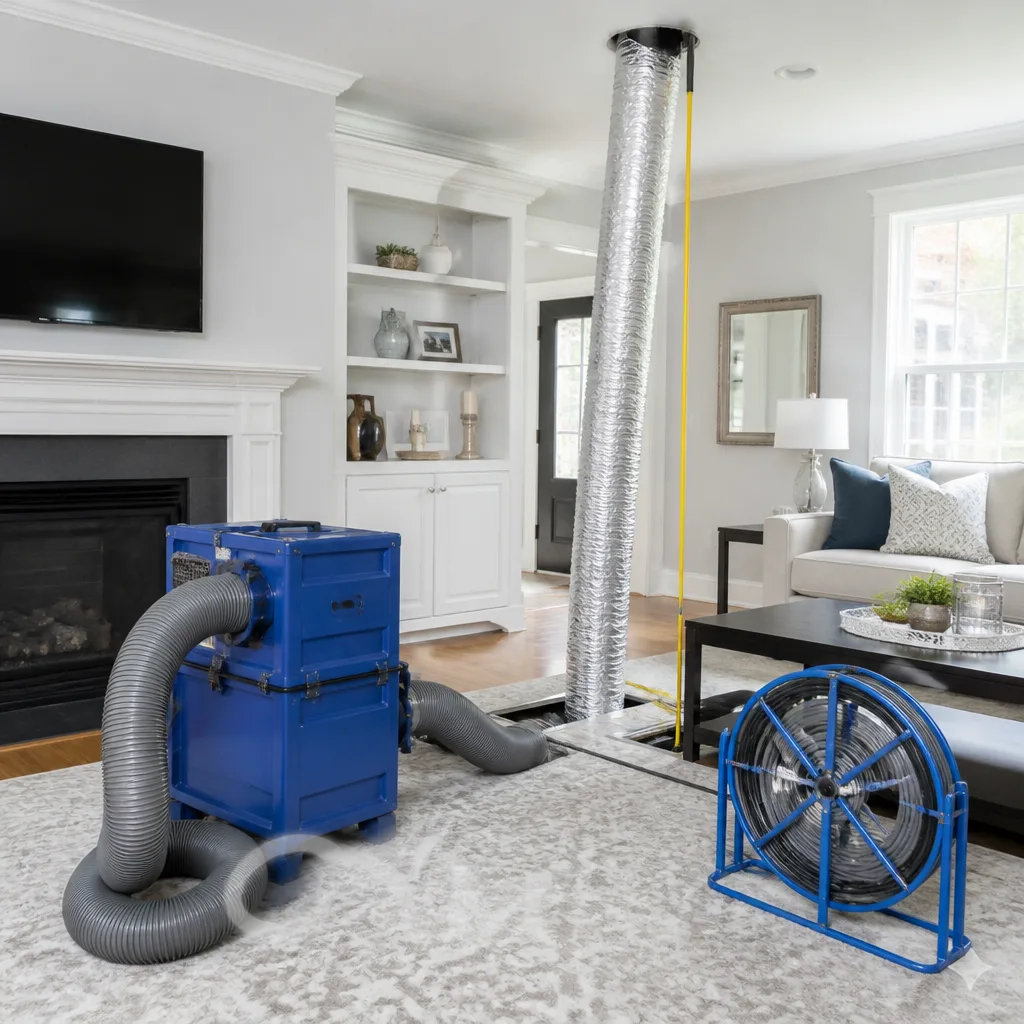 Whole-home duct cleaning
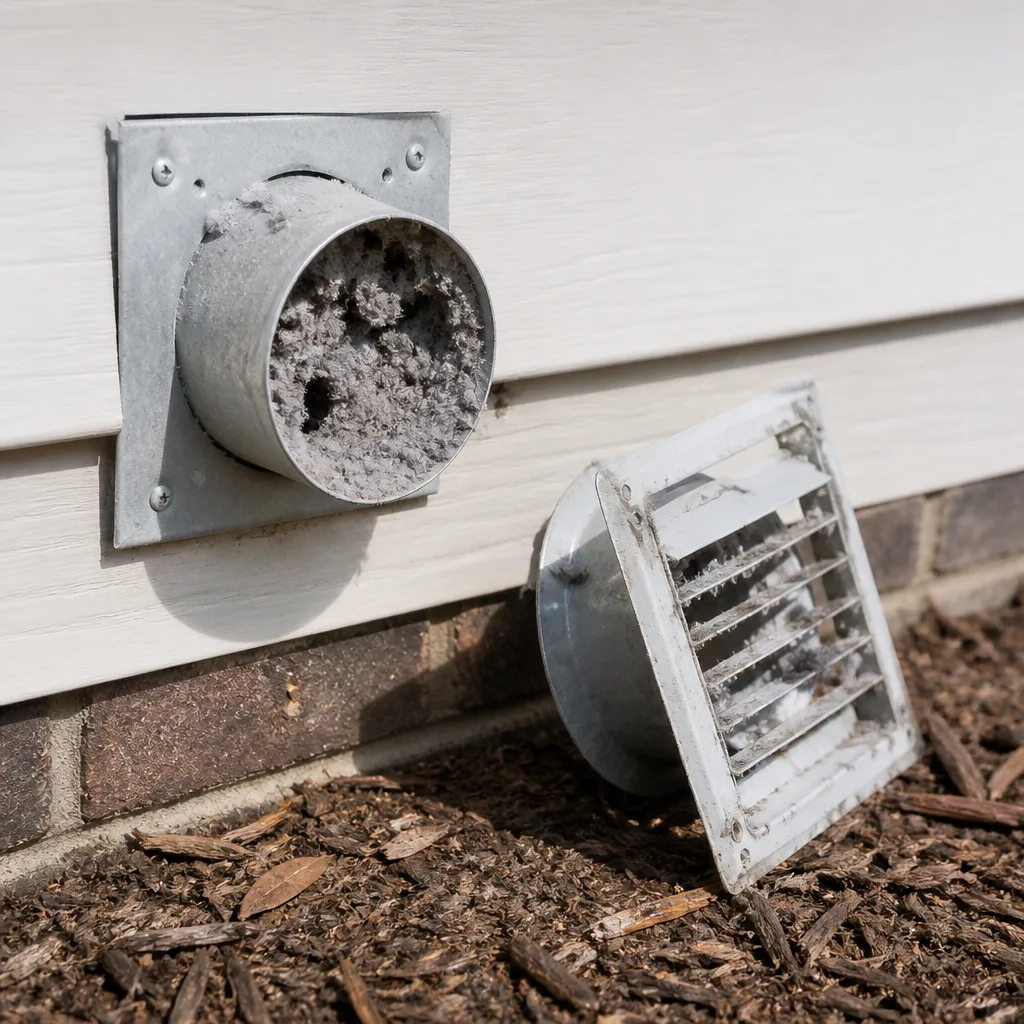 Dryer vent cleaning
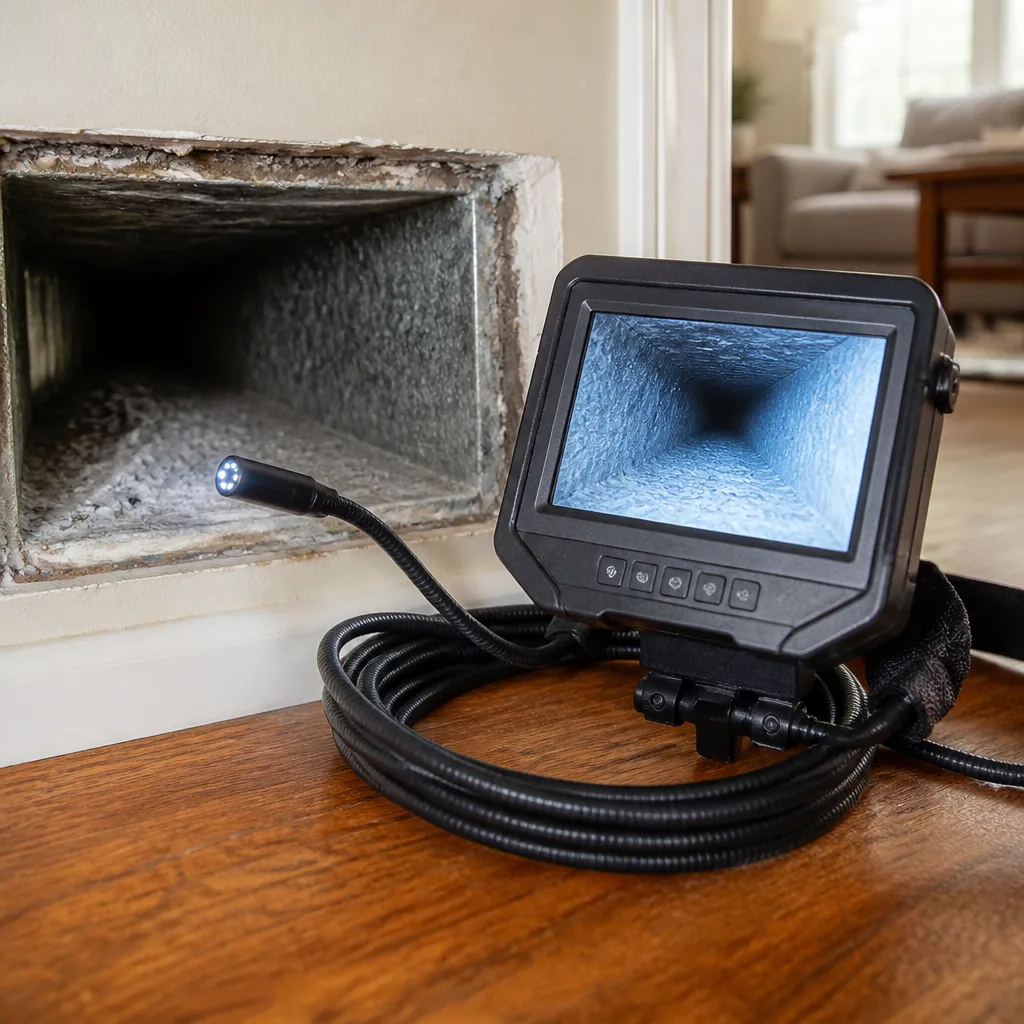 Camera inspection
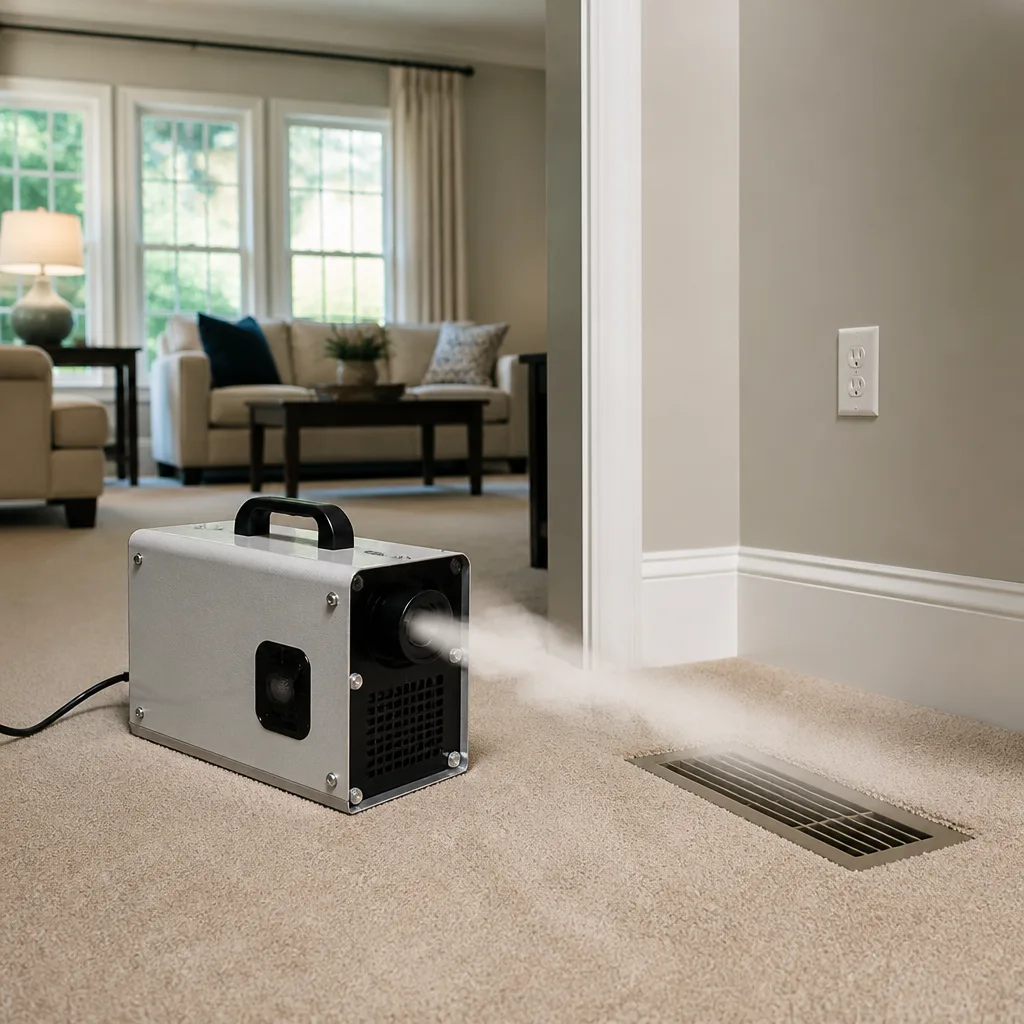 Sanitizing & deodorizing
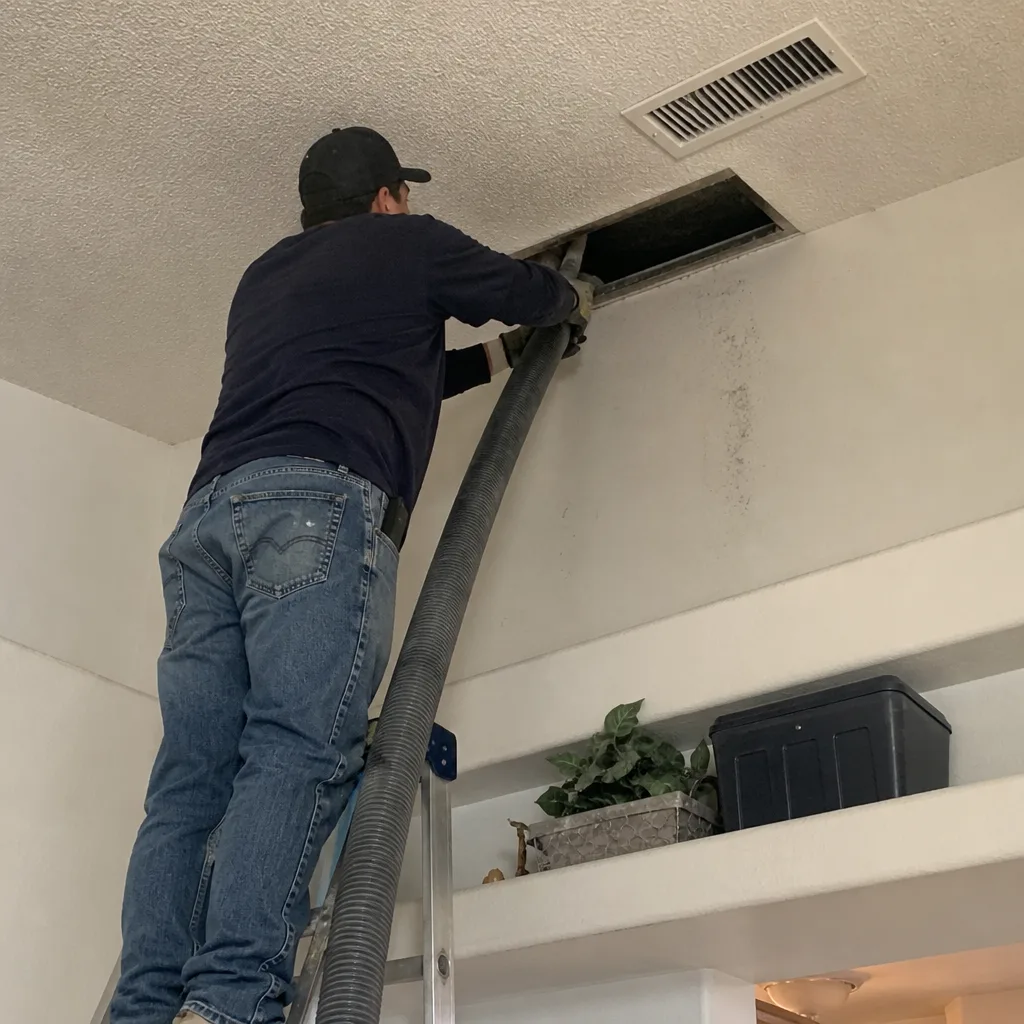
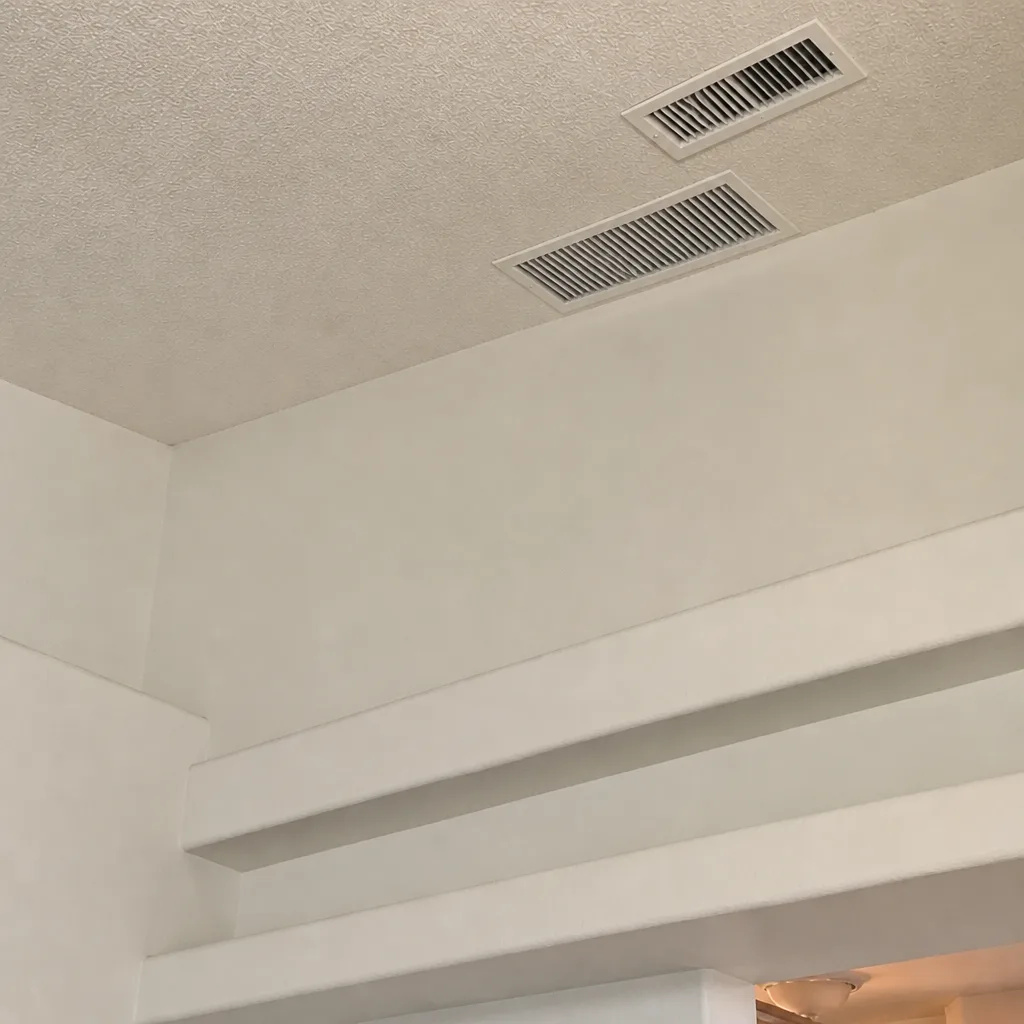
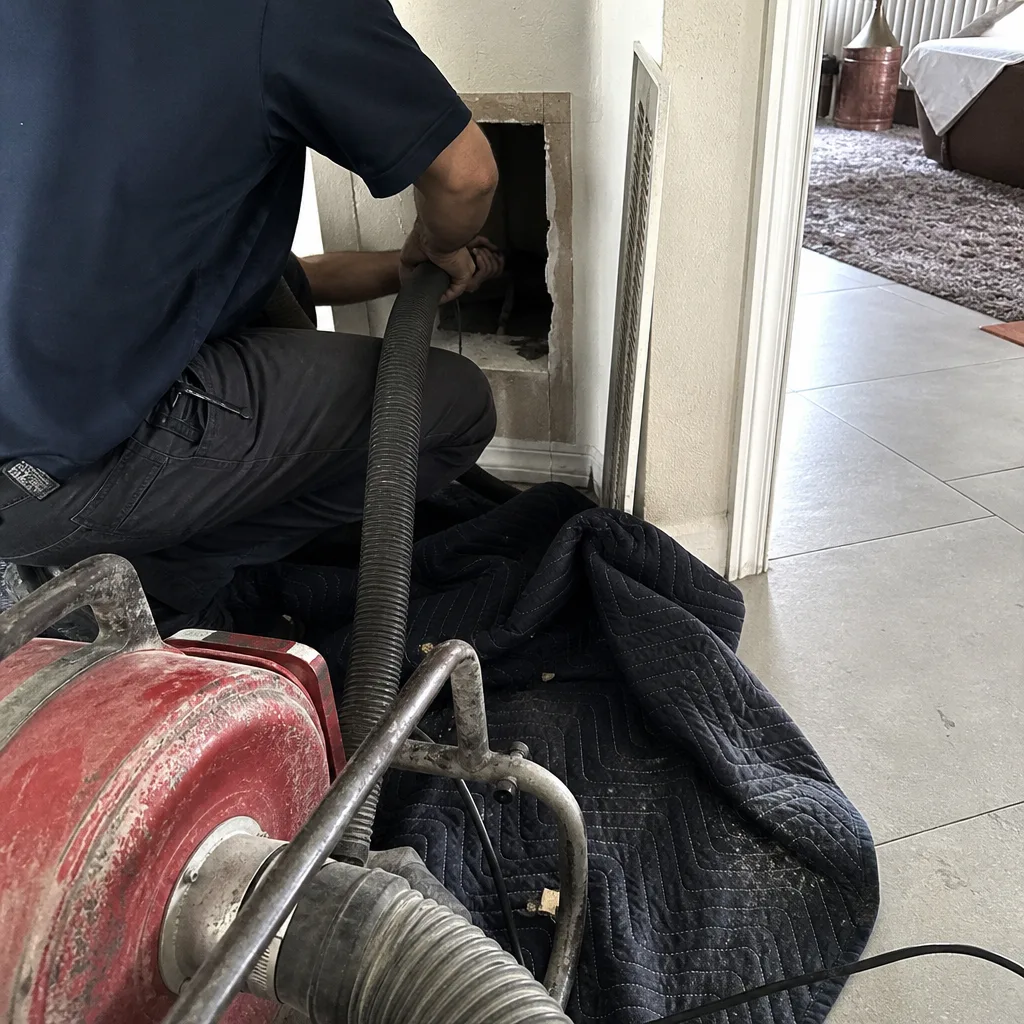
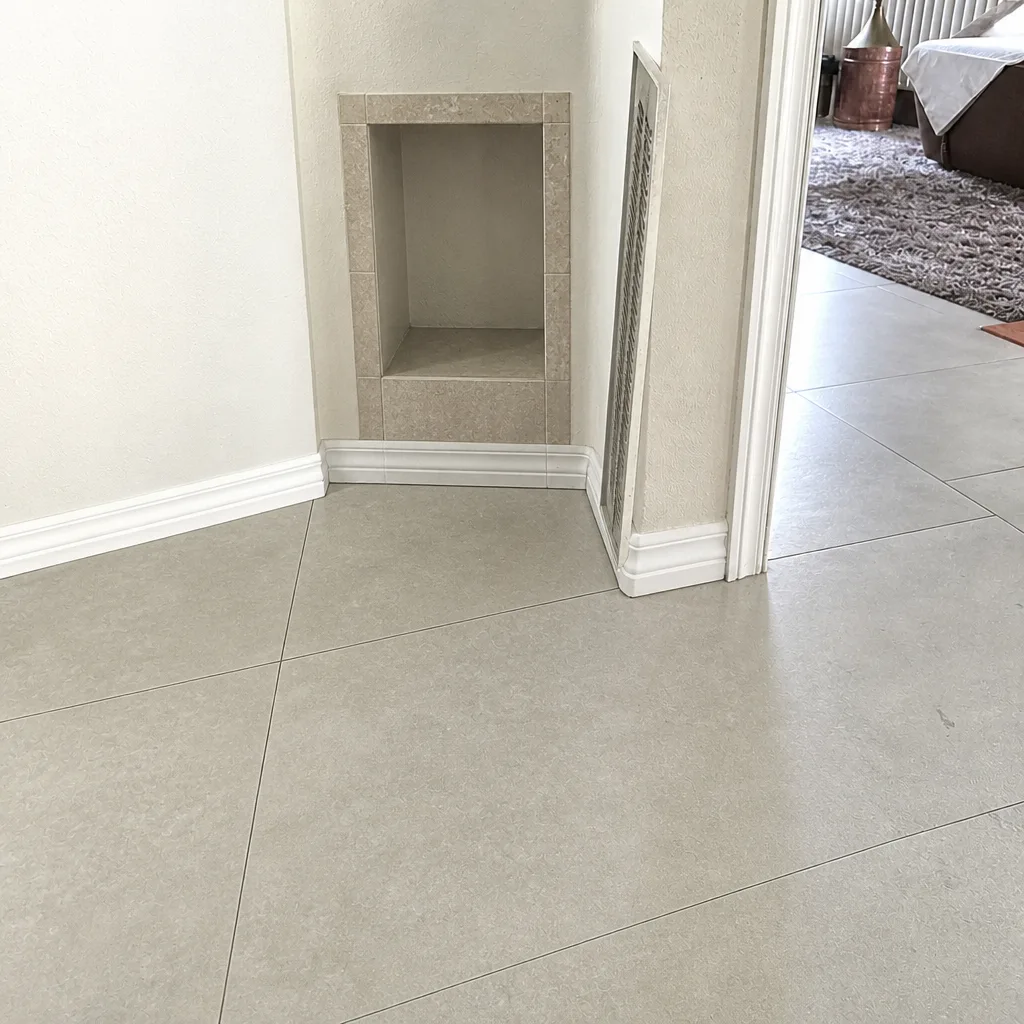
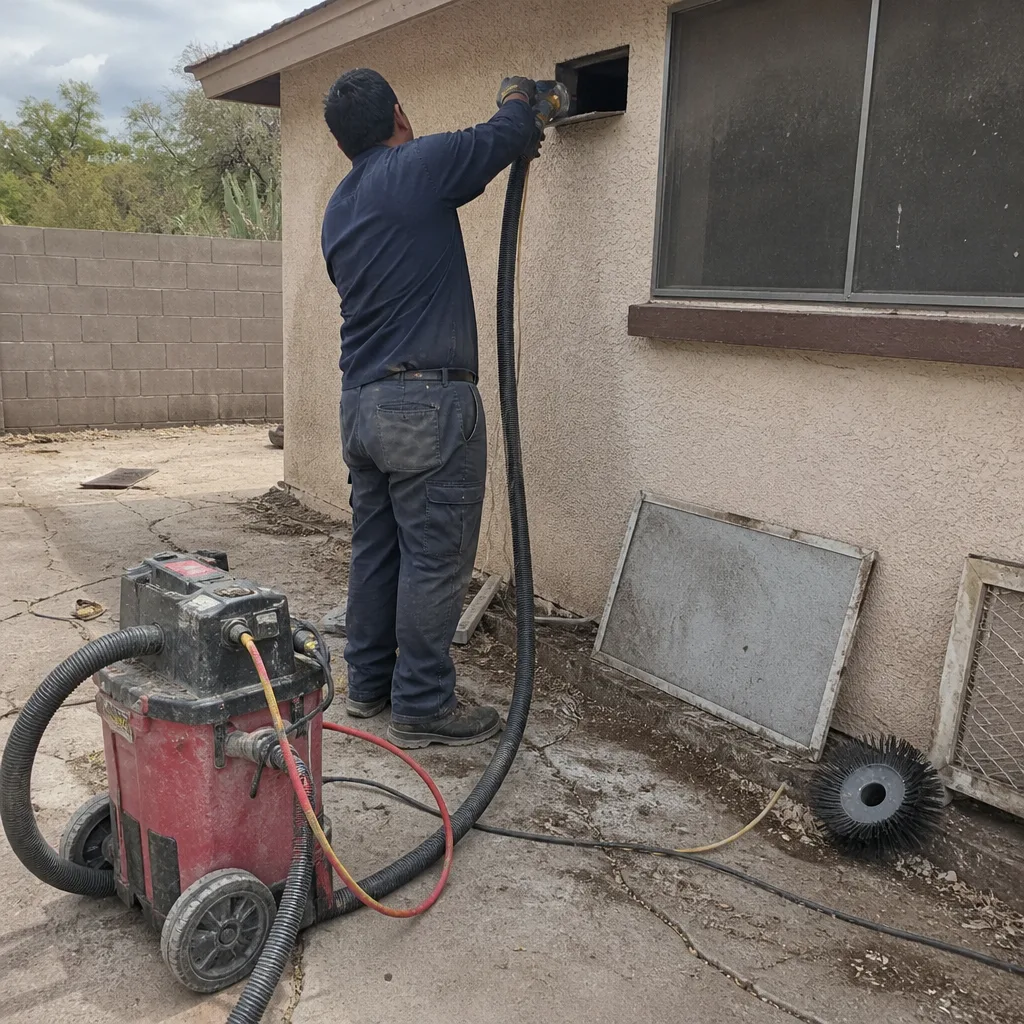
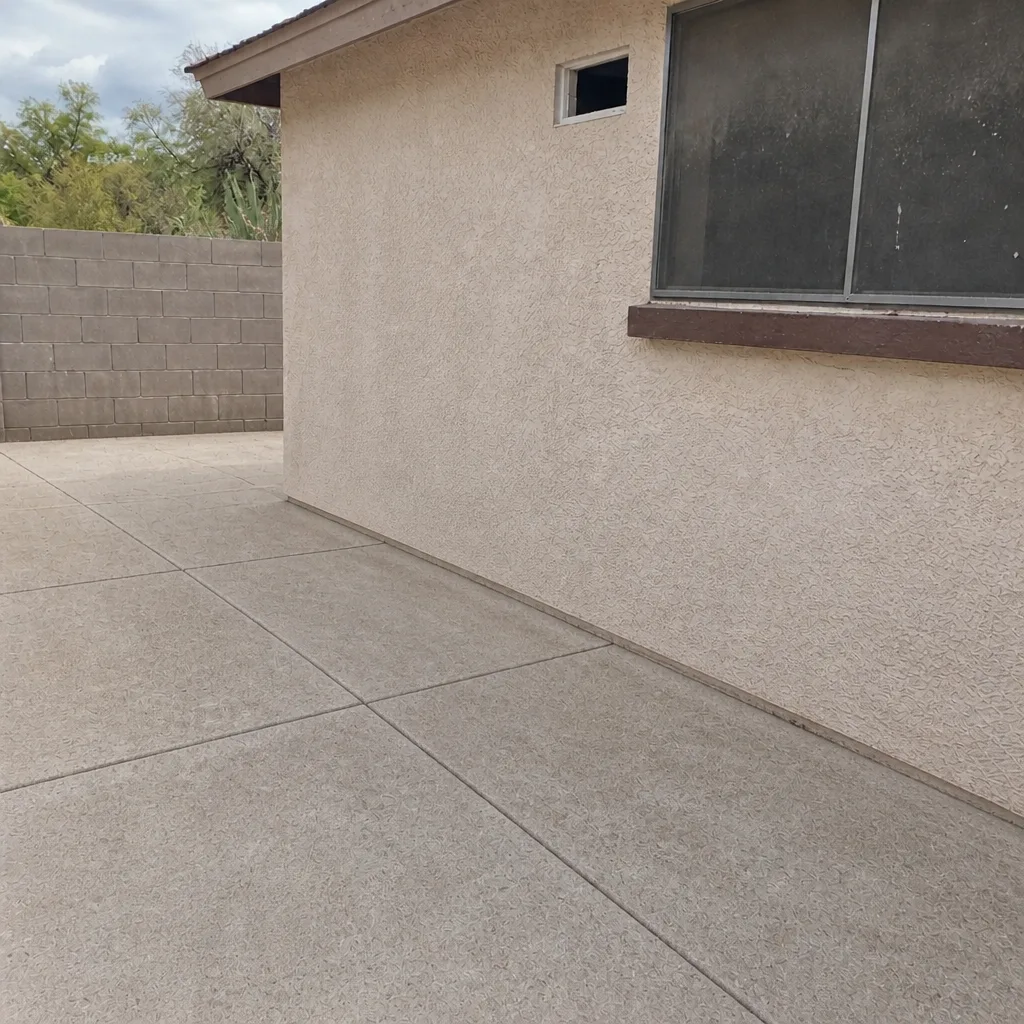
Whole-system duct and dryer vent check with before-and-after photos - you see exactly what came out of your vents
That "$99 whole-house special" is a bait ad - the real number appears once they are in your hallway, or the "clean" is a shop-vac at the register. We photograph the inside of your ducts before and after instead.
Air Duct Cleaning Permits, Codes & Inspections in Tucson, AZ: What You Need to Know
Most homeowners assume duct cleaning is permit-free, and for a routine cleaning they’re right. The permit question only appears when a technician opens the system and finds something else: a collapsed flex duct run, a section of ductwork with active mold growth, or a supply line that was never properly connected. That’s the moment the job changes categories. What started as cleaning now overlaps with work that Arizona’s residential code and Pima County’s mechanical permit requirements actually govern, and the rules are different depending on whether your address sits inside Tucson city limits or out in unincorporated Pima County. This guide walks through where the line falls, what a ROC-registered contractor is required to do that a cleaning-only operator isn’t, and what paperwork you should keep after any duct work. Tucson homeowners deal with this more than they expect, partly because our climate puts specific stresses on ductwork that other regions don’t.
Quick Answer
Air duct cleaning alone generally does not require a permit in Tucson or Pima County. Permits enter the picture when the work involves duct repair, duct replacement, new duct installation, or mold remediation that goes beyond surface cleaning. In those cases, a licensed contractor registered with the Arizona Registrar of Contractors typically pulls the permit, and the inspection scope depends on whether your address is inside Tucson city limits or in unincorporated Pima County.
Styles & brands we work with
- Whole-home duct cleaning
- Dryer vent cleaning
- Camera inspection
- Sanitizing & deodorizing
Table of Contents
- Does air duct cleaning need a permit in Tucson?
- When duct repair crosses into permit territory
- What a ROC-registered contractor is required to do
- Mold: when cleaning becomes remediation
- City of Tucson vs. unincorporated Pima County
- Documentation to keep after duct work
- What an inspection actually looks like
- How Tucson’s climate stresses ductwork
Does Air Duct Cleaning Need a Permit in Tucson?
No. Routine air duct cleaning in Tucson does not require a permit. Cleaning is maintenance work on an existing system – removing accumulated dust, debris, and biological growth from the interior surfaces of ductwork that’s already installed and functioning. No part of the system is altered, replaced, or extended, so the mechanical code doesn’t apply.
This is true for both residential and commercial duct cleaning. A cleaning scope that stays purely inside the existing ductwork doesn’t trigger Arizona Residential Code requirements or Pima County mechanical permit rules. If you’re booking a standard air duct cleaning, you don’t need to budget for a permit or schedule an inspection.
What cleaning does require is a scope. Before any work starts, a professional should walk through the system, document what’s actually inside it, and confirm whether the job stays in cleaning territory or shifts into repair. That’s the point where things get complicated, and it’s the step that gets skipped by operators who quote a flat price over the phone sight-unseen.
What duct cleaning itself does not trigger
- No mechanical permit from Pima County or the City of Tucson
- No change to your Certificate of Occupancy
- No inspection required for a pure cleaning scope
- No separate mold remediation clearance if the growth is surface-level and confined to the duct interior
Where homeowners get caught off guard is assuming the “no permit” answer covers everything downstream. It doesn’t. The moment the scope expands into repair or replacement, the rules change.
When Duct Repair Crosses Into Permit Territory
Duct repair crosses into permit territory when the work involves more than cleaning and reconnection of existing components. Arizona’s residential code treats ductwork as part of the mechanical system, and any change to the system’s design, layout, or components is generally a permitted activity.
In practical terms, here are the situations that usually require a permit in Tucson:
- Replacing a duct run. If flex duct is crushed, torn, or disconnected to the point it can’t be reconnected, and the fix is a full replacement of that run, most jurisdictions treat this as mechanical work requiring a permit.
- Adding new supply or return ductwork. Any extension of the system – a new supply register in a converted room, a new return line – requires a permit.
- Resizing ductwork. If the system is being rebalanced with larger or smaller duct sections to fix airflow problems, that’s a mechanical alteration.
- Modifying the air handler or plenum connection. If the repair involves cutting into the plenum or changing how the ductwork connects to the air handler, that’s typically permitted work.
- Running ductwork through new construction or a remodel. Any ductwork installed as part of a remodel or addition requires a permit as part of the overall project.
What commonly does not require a permit: reconnecting a supply line that came loose at the register boot, re-taping and re-sealing accessible duct joints, and repair of flexible duct that’s been crushed but not replaced. Those are treated as repairs that maintain the existing system rather than alter it.
The practical takeaway: if the technician’s written scope involves cutting, extending, or replacing duct material, ask about the permit. If it’s reconnect-and-reseal, it usually stays permit-free. When the repair is significant enough to need a permit, it’s a job for a licensed mechanical contractor, and it’s worth splitting from the cleaning scope so the paperwork stays clean.
We offer air duct cleaning and duct repair as separate services for exactly this reason. Cleaning stays in cleaning territory. Repair that needs a permit goes through a licensed contractor who can pull it.
What a ROC-Registered Contractor Is Required to Do
The Arizona Registrar of Contractors (ROC) licenses and regulates residential and commercial contractors in the state. A contractor performing work that requires a permit must hold a current ROC license in the appropriate classification, and they’re required to pull the permit in their name, not yours.
This matters for homeowners in Tucson because a “cleaning-only” operator is not the same thing as a licensed contractor. Cleaning doesn’t require a ROC license. Repair, replacement, and installation do. If the scope of work crosses into repair territory, the person doing it needs to be ROC-registered for that classification.
What a ROC-registered contractor must do on a permitted duct project
- Hold an active ROC license in the appropriate mechanical classification
- Pull the permit in their own name and post it on-site
- Perform the work to the scope described in the permit
- Schedule the required inspection through the permitting jurisdiction
- Provide a written contract and a written warranty on the work
Where homeowners run into trouble is when a cleaning operator offers to “just replace” a damaged duct run on the spot for a flat cash price. That’s a red flag. If the work requires a permit, the person offering to do it without one is exposing you to liability at resale and potentially voiding your homeowner’s insurance coverage on the work.
When you’re looking at a duct repair that might need permitting, ask two questions: “Are you licensed for mechanical work?” and “Will you be pulling a permit for this?” The answers should be yes and yes if the work involves replacement or new ducting. If the answer to either is no, get a second opinion before work starts.
Mold: When Cleaning Becomes Remediation
This is where the line gets blurriest and where Tucson homeowners most often get caught off guard. Surface mold growth inside ductwork – light discoloration on the interior of a metal trunk line, small spotting near a register – is usually handled as part of a cleaning scope. But when the growth crosses into a certain threshold of affected area, or when it’s tied to an active moisture source, the work shifts from cleaning to remediation, and remediation carries its own rules.
The Arizona Department of Health Services publishes guidance on mold remediation that aligns with industry standards. The core distinction: remediation involves containing the affected area, removing contaminated material, and verifying through post-remediation sampling that the problem is resolved. Cleaning means removing surface contaminants without a formal clearance process.
Signs the job may be remediation, not just cleaning
- Visible mold growth covering more than a small patch inside the ductwork
- Mold growth on porous duct material (flex duct, duct board) rather than metal
- An active moisture source – a leaking coil, a condensate line issue, or a roof leak pushing water into the system
- Musty odors that persist after a standard cleaning
- Mold growth that extends into the air handler or plenum
When the scope crosses into remediation, the equipment matters. Contained, HEPA-filtered extraction with negative air pressure is the standard, and it’s a different setup from a routine cleaning. We use Abatement Technologies negative-air and HEPA-filtration equipment for exactly this reason: when a job requires real containment, shop-vac-style extraction doesn’t cut it. It also keeps mold spores in the work area instead of pushing them into living space.
For a homeowner in Tucson, the practical question to ask is simple: “Is this cleaning or remediation, and what’s the documentation?” If the answer is remediation, expect a written scope, containment, and post-work verification. If the answer is “we’ll just clean it,” and there’s significant visible growth, get a second opinion.
City of Tucson vs. Unincorporated Pima County
Where your address sits determines which jurisdiction reviews the work and whether an inspection is required. This is one of the most overlooked details in Tucson duct work, because the line between city and county isn’t obvious from a mailing address. Properties in the Catalina Foothills, on the east side near Vail, or out toward Marana may have a Tucson mailing address while sitting in unincorporated Pima County, which means the permitting authority is different from what the homeowner expects.
City of Tucson addresses
If your property is inside Tucson city limits, permits and inspections run through the City of Tucson’s building department. This covers most of central Tucson, the neighborhoods around the University of Arizona, and the established residential areas within the city boundary. Inspections for permitted mechanical work are scheduled through the city, and the inspection scope follows the city’s adopted codes.
Unincorporated Pima County addresses
If your property sits outside city limits but inside Pima County, permits and inspections run through Pima County’s building department. This covers much of the Foothills, the east side beyond the city boundary, and areas out toward the desert edges. The code requirements are broadly similar, but the process, the inspection scheduling, and the specific documentation are managed by a different department.
How to find out which applies to you
- Look at your property tax bill – it lists the jurisdiction.
- Check the Pima County Assessor’s parcel viewer online.
- Ask the contractor which jurisdiction they pulled the permit through – they’ll know once they’ve checked.
For cleaning-only work, this distinction doesn’t matter. For any permitted repair or replacement, it does. A contractor who pulls the permit through the wrong jurisdiction is going to have a problem at inspection.
Documentation to Keep After Any Duct Work
Whether the work is a routine cleaning, a repair, or a permitted replacement, keep the paperwork. This matters more than most homeowners realize, and it comes up in three specific situations: insurance claims, resale disclosure, and warranty questions.
What to request after duct cleaning
- A written scope describing what was cleaned and any areas that were skipped or flagged
- Before-and-after photos of your own ductwork, not stock photos
- The name of the equipment used (Rotobrush, Nikro, and Abatement Technologies are common platforms)
- Any recommendations for repair that the technician flagged during the cleaning
What to request after duct repair or replacement
- All of the above, plus:
- A copy of the permit if one was pulled
- The inspection sign-off if the jurisdiction required it
- The ROC license number of the contractor who performed the work
- A written warranty on the repair, with the duration stated
- Material specifications for any duct material installed
Why this matters for resale: when you sell a home in Tucson, a buyer’s inspector will flag unpermitted duct work if they can see evidence of it. A permit and inspection sign-off closes that question before it opens. For insurance, if a claim involves duct-related damage, the paperwork proves the work was done properly. For warranty, the written scope is often the difference between a covered repair and a “we don’t know what was done” denial.
If you’ve had air duct cleaning done and the provider didn’t leave a written scope or photos, ask for them. A professional operation keeps that record.
What an Inspection Actually Looks Like
If a permit is pulled for duct work at your Tucson home, an inspection will follow. Knowing what to expect makes the process less disruptive. Inspections are scheduled by the contractor, not by you, and they happen at defined points in the work rather than at the end.
- Rough-in inspection. For duct replacement or new duct installation, this happens after the ductwork is installed but before it’s covered or finished. The inspector verifies materials, sizing, support, and connection points against the permit scope.
- Final inspection. After the work is complete. This verifies the system is properly connected, sealed, and operating as described in the permit.
- Sealing inspection. Some jurisdictions require verification that duct joints in unconditioned space are properly sealed. This is more relevant when ductwork is accessible.
What the inspector checks for during a mechanical duct inspection:
- Proper material type and gauge for the application
- Support spacing and connection integrity
- Adequate sealing at joints and penetrations
- Compliance with the permitted scope (no work done outside the scope)
- Clearance from combustibles where required
What inspections don’t cover: how clean the duct interior is, or whether the cleaning was thorough. Those are quality-of-work questions, not code questions. That’s why the cleaning scope and the before-and-after photos matter as separate evidence.
How Tucson’s Climate Stresses Ductwork
Tucson’s climate puts specific stress on residential ductwork that homeowners elsewhere don’t deal with the same way. The summer heat is the obvious factor, but the daily thermal swing matters just as much. Attic temperatures climb steeply during the day and drop sharply at night, and ductwork that runs through attic space goes through that cycle on repeat for months at a time.
What that does in practice:
- Flex duct deterioration. The outer jacket on flex duct becomes brittle over time under sustained heat exposure. Once the jacket tears, the insulation inside compresses or falls away, and the duct loses efficiency.
- Connection failure at the boot. Repeated expansion and contraction loosens the tape and mastic at register boots. A disconnected supply line in an attic is a common find during cleaning in Tucson.
- Dust and debris accumulation. The desert environment means more airborne particulate gets pulled into return air than in humid climates. Filters catch some of it; the rest settles in the ductwork.
- Mold risk from the cooling cycle. The evaporator coil creates condensation, and if the drain pan or condensate line develops an issue, moisture reaches the ductwork. In a cooling-dominated climate, the system runs nearly year-round, which means that moisture source is active more of the year.
This is why we treat duct cleaning and duct repair as related but distinct services. Cleaning removes what’s in the system. Repair addresses the reason the system is inefficient or pulling in contaminants. When the technician finds a collapsed flex duct run or a disconnected supply line, that’s a repair issue, and it’s the root cause of the airflow problem the homeowner called about in the first place. If you’re seeing poor airflow or rising energy bills in Tucson, that connection is worth checking before assuming cleaning alone will fix it.
If you’re also dealing with lint buildup in your dryer exhaust – a related but separate fire-safety concern – see dryer vent cleaning for how that work is scoped.
Common Mistakes to Avoid
- Assuming “no permit” covers the whole job. Cleaning doesn’t need a permit, but a collapsed flex duct repair often does. If the technician’s scope involves cutting or replacing duct material, ask the permit question before work starts.
- Letting a cleaning operator do permitted repair work. Cleaning-only operators aren’t ROC-licensed for mechanical work. If the repair needs a permit, it needs a licensed contractor, and hiring the wrong person exposes you at resale.
- Treating significant mold growth as routine cleaning. Surface spotting is one thing. Active growth tied to a moisture source is remediation and needs containment, HEPA filtration, and post-remediation verification, not a standard cleaning sweep.
- Skipping the documentation after a Tucson cleaning. Before-and-after photos of your own ducts, the written scope, and the equipment used are your proof if a question comes up later, whether with insurance or a buyer’s inspector.
- Not confirming the jurisdiction. A Tucson mailing address doesn’t mean you’re in city limits. Foothills and east-side properties often sit in unincorporated Pima County, and the wrong jurisdiction on a permit is a problem at inspection.
- Believing a phone quote without a scope. Duct conditions vary enormously between homes. A price quoted sight-unseen over the phone is either inflated or going to change once the technician sees the system.
- Mistaking a crushed duct for a cleaning problem. If the airflow issue is a compressed or disconnected supply line, cleaning won’t fix it. Repair does. Knowing which problem you have saves a step.
See the difference
 Before
 After
 Before
 After
 Before
 After
When to Call a Professional
Call a professional if any of these apply: visible mold growth inside ductwork or on the air handler, ongoing musty odors that return after cleaning, a duct system that’s never been inspected and is more than a decade old, a recent renovation that introduced construction dust into the system, or a home you’re about to sell where duct work was done at some point without documentation. If the airflow problem started suddenly – one room lost pressure, one zone went cold – that’s often a disconnected or collapsed duct line, and it’s a repair issue rather than a cleaning one.
This guide was written to help Tucson homeowners understand the permit and code landscape. It isn’t a substitute for advice from your permitting jurisdiction or an attorney. Code adoptions change, and specific property situations vary.
Blackwell Air Duct Cleaning offers free estimates in Tucson. Call (855) 618-0955.
Frequently Asked Questions
No, routine air duct cleaning does not require a permit in Tucson or Pima County. Cleaning is maintenance work on an existing system, so no mechanical permit is triggered and no inspection follows. The permit question only appears when the work crosses into repair, replacement, or mold remediation. Call (855) 618-0955 for a free estimate that includes a look at whether your scope stays in cleaning territory.
It depends on the repair. Reconnecting a loose supply line, re-sealing accessible joints, or repairing a crushed but intact flex duct typically does not need a permit. Replacing a duct run, adding new ductwork, resizing, or modifying the plenum connection does require one through either the City of Tucson or Pima County. Ask the contractor directly which category your repair falls into. Call (855) 618-0955 if you want an honest assessment of the scope.
Cleaning removes surface contaminants. Remediation involves containment, removal of contaminated material, and post-remediation verification through sampling. Arizona Department of Health Services guidance aligns with industry standards that treat significant mold growth, porous duct material affected by mold, or growth tied to an active moisture source as remediation rather than cleaning. If the scope is remediation, expect a written protocol and verification. Call (855) 618-0955 for a free assessment of what your situation requires.
For cleaning, no. For any work requiring a permit (repair, replacement, installation, or mechanical alteration), yes. The Arizona Registrar of Contractors requires licensed contractors in the appropriate classification to pull the permit in their name and perform the work. Cleaning-only operators aren’t licensed for mechanical repair. Call (855) 618-0955 to discuss whether your scope requires licensed work.
Keep the written scope describing what was cleaned, before-and-after photos of your own ductwork, and the name of the equipment used. If repair was performed, add the permit copy, inspection sign-off, contractor ROC license number, and written warranty. This paperwork matters for insurance claims, resale disclosure, and warranty. Call (855) 618-0955 – every job we do leaves a written record.
Check your property tax bill, which lists the jurisdiction, or look up your parcel on the Pima County Assessor’s website. Many properties with a Tucson mailing address – especially in the Foothills, east side, and areas near Marana – are actually in unincorporated Pima County, which means permits and inspections are handled by the county rather than the city. Call (855) 618-0955 if you want to talk through which jurisdiction applies to a specific repair scope.
The Bottom Line
Air duct cleaning in Tucson doesn’t require a permit, but the work that often accompanies it does. Repair, replacement, and mold remediation all enter regulated territory, and the rules differ between City of Tucson and unincorporated Pima County. A ROC-registered contractor is required for any permitted duct work; a cleaning-only operator isn’t qualified to do it. Keep the paperwork after every job, whether it’s cleaning or repair, because insurance, resale, and warranty all depend on it. If the technician finds something during the cleaning that changes the scope, ask about permits before agreeing to the work. That single question protects you well beyond the cost of the job.
Blackwell Air Duct Cleaning handles air duct cleaning, dryer vent cleaning, and air duct repair as three distinct services using professional-grade equipment from Rotobrush, Nikro, and Abatement Technologies. We’re familiar with Honeywell and Aprilaire air-quality systems because understanding whole-home filtration is part of understanding what’s actually inside your ductwork. Our technicians have up to 11 years of experience. If you’re in Tucson and want a written scope with before-and-after photos of your own ducts, call (855) 618-0955 for a free estimate. We answer 24/7. Fast dispatch from 7am to 7pm, Sunday through Friday.
Written by the team at Blackwell Air Duct Cleaning.