
Last updated November 15, 2026
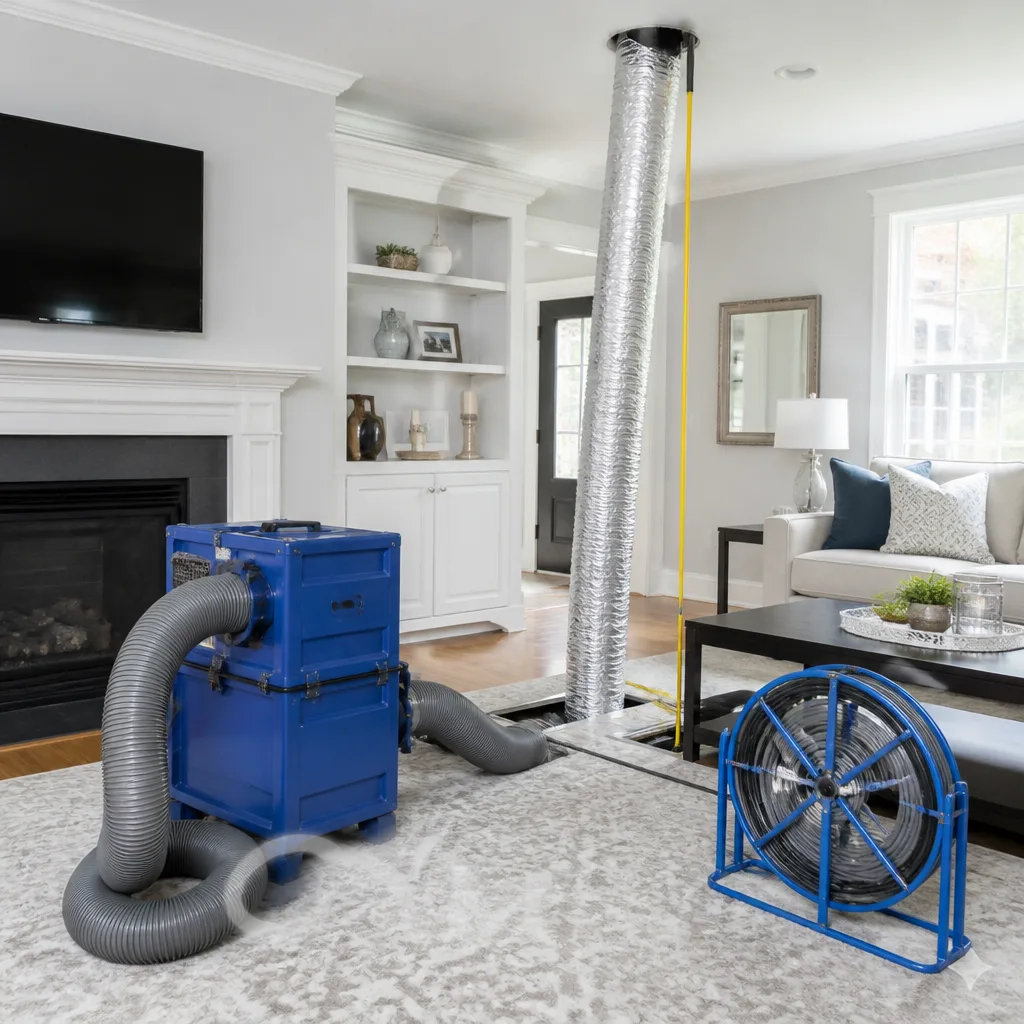 Whole-home duct cleaning
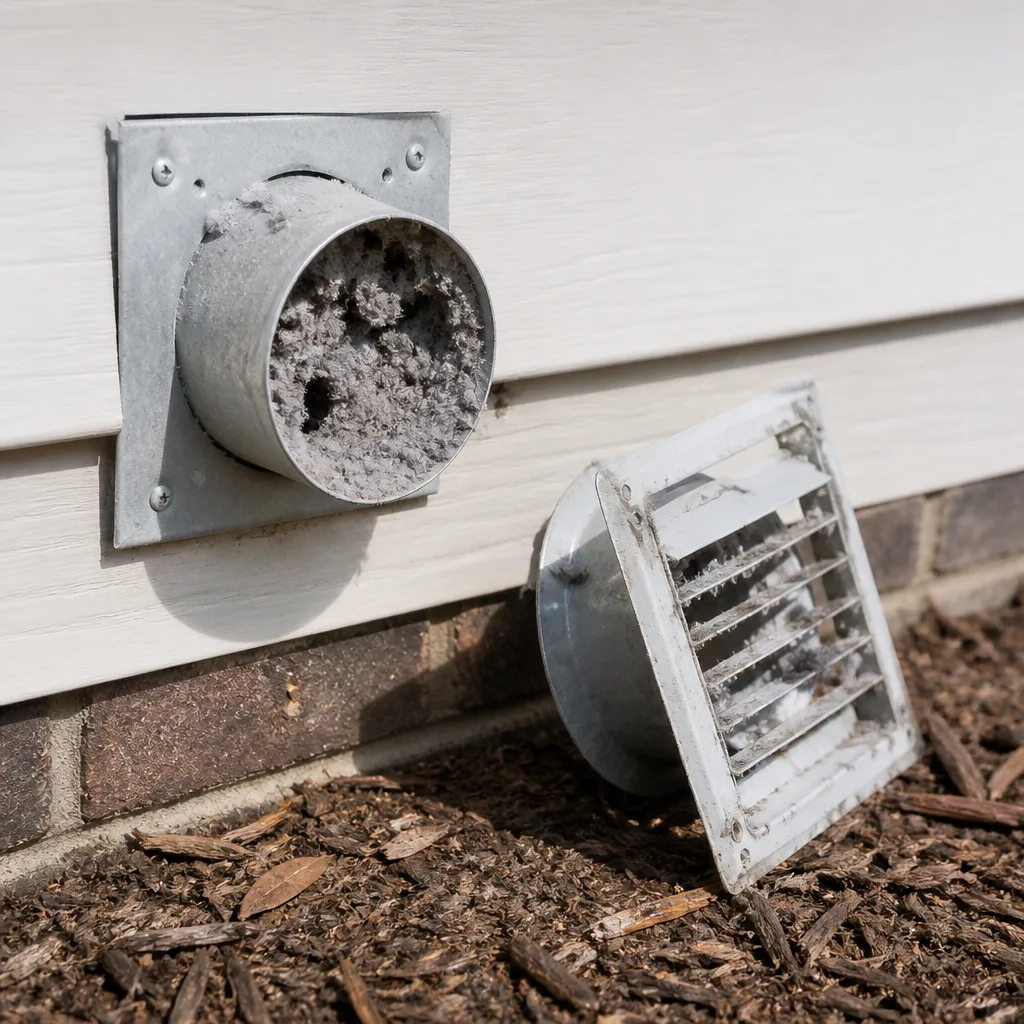 Dryer vent cleaning
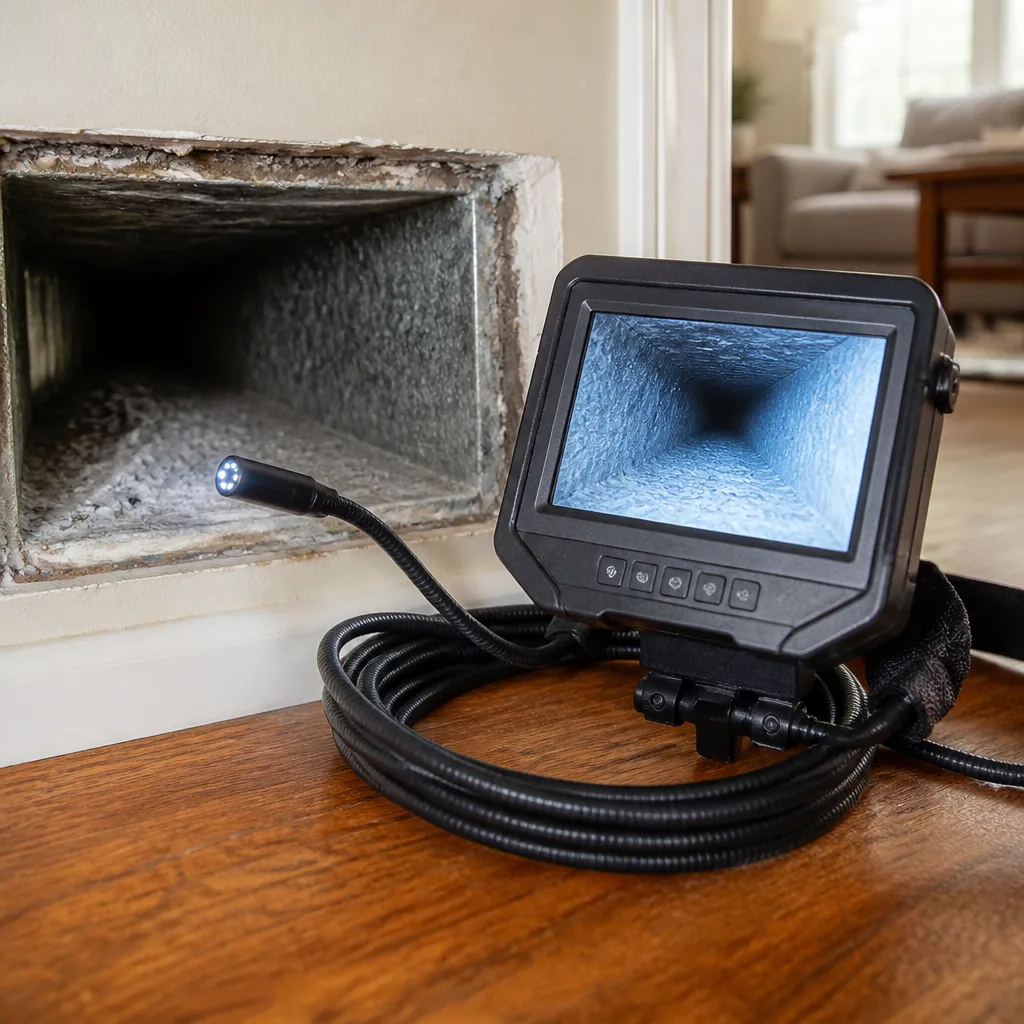 Camera inspection
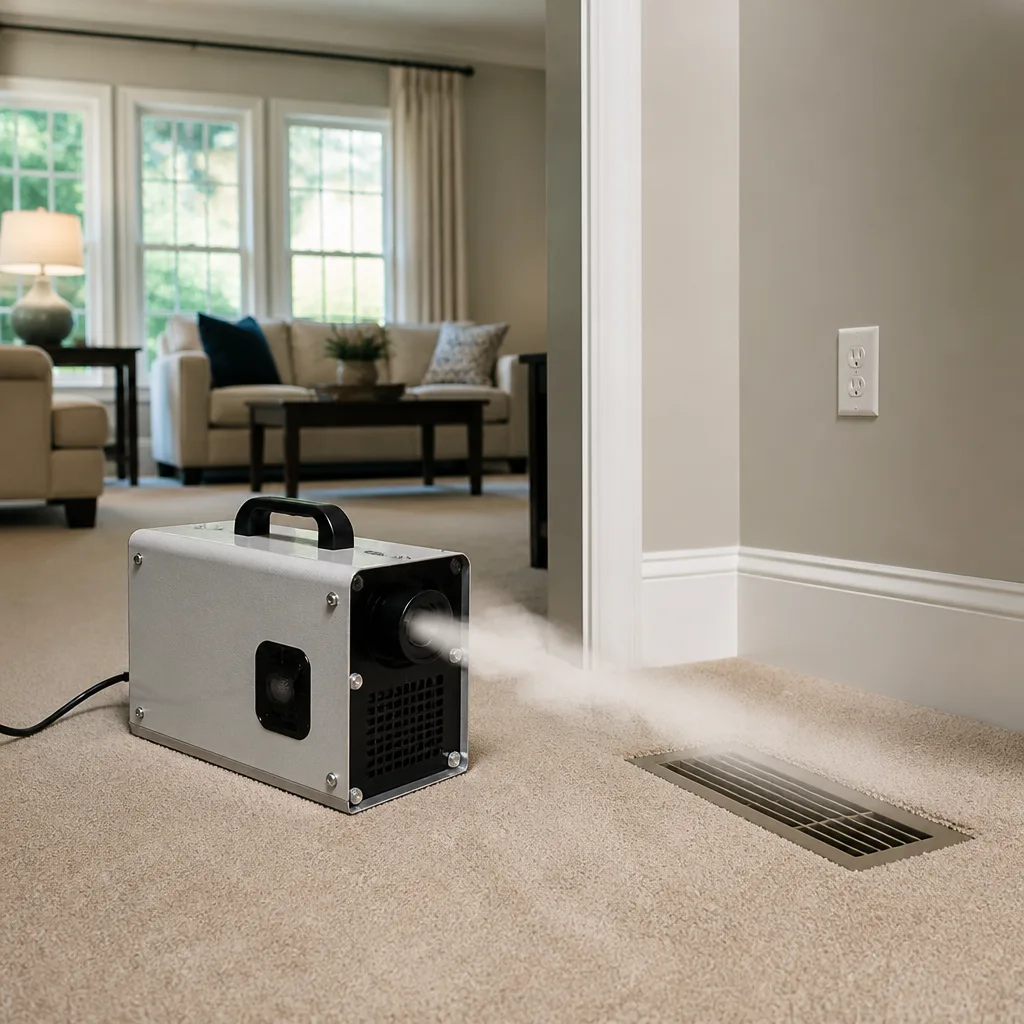 Sanitizing & deodorizing
Whole-system duct and dryer vent check with before-and-after photos - you see exactly what came out of your vents
That "$99 whole-house special" is a bait ad - the real number appears once they are in your hallway, or the "clean" is a shop-vac at the register. We photograph the inside of your ducts before and after instead.
DIY vs Professional Air Duct Cleaning: The Tucson Homeowner’s Decision Guide
Most homeowners frame this as a money question: can I save a few hundred dollars by renting a vacuum and doing it myself? The better framing is a capability question. A homeowner with a good shop vac and a vent brush can genuinely clean the first foot or so of a supply boot, and that’s worth doing. The debris load that actually affects your air quality, your airflow, and your energy bill typically sits 4 to 8 feet deeper, past the first bend in the run, where a consumer vacuum can’t build the pressure needed to pull it out. This guide maps exactly what you can handle yourself in a Tucson home, what requires professional negative pressure and mechanical agitation, and how to tell which situation you’re in.
Quick Answer
You can safely clean vent covers, registers, and grilles yourself, and you should. You cannot effectively clean the inside of your duct runs with consumer equipment, because a shop vac doesn’t move enough cubic feet per minute (CFM) or generate enough static pressure to pull settled debris from anything past the first bend. A professional cleaning becomes necessary when debris is deeper than 12 to 18 inches, when your system hasn’t been cleaned in five or more years, or when you’ve had any moisture event or a major dust event like a monsoon haboob force fine dust into the system.
Styles & brands we work with
- Whole-home duct cleaning
- Dryer vent cleaning
- Camera inspection
- Sanitizing & deodorizing
Table of Contents
- What a Homeowner Can Genuinely Do Alone
- The Physics: Why Consumer Vacuums Fail at Source Removal
- How DIY Attempts Can Make Conditions Worse
- Tucson Conditions That Push a System From Maybe to Professional
- How to Prep Before a Professional Appointment
- How to Evaluate a Quote When You Do Call
- What Professional Air Duct Cleaning Costs in Tucson
- Cleaning vs. Repair: When the Ductwork Itself Is the Problem
What a Homeowner Can Genuinely Do Alone
There are three tasks that deliver real returns and don’t require professional tools. Do these and you’ll notice a difference in dust settling and static pressure at the register, even before any appointment.
1. Clean the register covers and grilles. Pop each cover off, and wash it in a utility sink or outside with a hose. Dust and lint accumulate on the back of the louvered face where you can’t see it from the room. Dry them fully before re-installing. A soft brush gets into the slats; a cotton swab works for the corners. This takes about two to three minutes per register and is the single highest-return item a homeowner can do.
2. Replace the return air filter on schedule. This is the most common cause of poor airflow in Tucson homes. A clogged filter starves the system of return air, and airflow drops. Pull the filter and hold it up to a light. If you can’t see light through it comfortably, replace it. Follow the filter’s own manufacturer guidance for interval, which varies with MERV rating and how dusty your neighborhood runs.
3. Inspect the exterior vent termination. Walk the outside of the home and find where the dryer vent, range hood, and bath fan terminate. Remove any lint screen or bird screen that has clogged, clear insect nests, and check that the damper flap moves freely. For dryer vents specifically, if the exterior flap doesn’t pop fully open when the dryer runs, the run is restricted. That’s not a project to ignore.
Beyond these three tasks, you’re into professional territory. There’s no home-grade tool that reaches past 12 to 18 inches into a duct.
The Physics: Why Consumer Vacuums Fail at Source Removal
Source removal is the technical term for pulling debris out of the duct at the point where it accumulated rather than just pushing dust into the room. It requires two things moving together: mechanical agitation to break the debris loose from the duct wall, and enough airflow and static pressure to carry it out in one direction. Consumer vacuums do neither well at the scale a duct system requires.
A typical household shop vac moves in the neighborhood of 100 to 200 cubic feet per minute at the hose, and its static pressure readings collapse once it’s pulling through 20, 30, or 50 feet of flex or rigid duct with elbows. A professional duct cleaning system is a different category of machine. Rotary-brush platforms like the Rotobrush system feed a spinning brush head into the duct on a flexible shaft, agitate the full circumference of the run, and pair that agitation with a high-CFM vacuum pulling at the same time. Nikro equipment works on similar principles. That combination is what moves debris that has bonded to the duct wall.
There’s also a directional issue. Consumer equipment typically pushes air, and pushing dust through a duct just relocates it. Professional systems pull under negative pressure, so debris travels toward the extraction point, not into the room. In a contaminated system, negative air containment with HEPA filtration is the standard approach, which is the capability Abatement Technologies equipment is built for.
Quick comparison of capabilities
- Register and grille face: both homeowner and professional can handle it. No special tools.
- First 12 to 18 inches of the supply boot: homeowner can reach with a brush and vacuum attachment. Limited effect on system dust load.
- Duct run past the first bend: professional only. Requires rotary brush and negative pressure.
- Main trunk lines and plenum: professional only. Access requires cutting and sealing access ports correctly.
- Contaminated or post-water-damage system: professional only, with HEPA negative air.
How DIY Attempts Can Make Conditions Worse
Not every DIY attempt is neutral. A few of the common ones leave the system in worse condition than when you started, and some create a second problem that costs more to fix than the original issue.
Agitating debris without adequate suction
If you push a stiff brush or a vacuum attachment deep into a duct and stir up dust but can’t pull it out, that dust re-suspends into the airstream the next time the system runs. You’ve just freed years of settled debris into the room air. A homeowner who brushes a duct and sees a plume of dust come out of an adjacent register has accomplished the opposite of cleaning.
Compressing flex duct while probing
Flexible duct is a wire helix wrapped in a plastic sleeve. If you push a stiff tool into it, or yank a register cover with too much lateral force, you can compress the helix, pinch the duct, or tear the inner liner. Pinched flex duct restricts airflow permanently and reduces the effective diameter of the run. Repairing it usually means cutting out a section and replacing it, which is more invasive than cleaning the same section would have been.
Chemical sprays used without proper airflow
Antimicrobial or deodorizing sprays sold for home use aren’t designed for HVAC applications. Applied inside a duct without proper airflow and ventilation, they can leave residue on the coil, and the odor problem comes back days later. Some sprays also void manufacturer warranties on components they contact. If you’re tempted to spray, don’t. Professionals use HEPA filtration and containment, not surface sprays, to address odor and contamination at the source.
Damaging register boots and frames
Prying at a stuck register with a screwdriver can crack the boot frame or splinter the drywall around it. Reinstalling a register is cheap; patching the drywall and re-sealing the boot-to-drywall joint costs more than the cleaning you were trying to avoid.
Tucson Conditions That Push a System From Maybe to Professional
Tucson’s particular climate and construction produce duct-loading scenarios that a homeowner can’t resolve with consumer tools. Here are the conditions that move a system into professional territory.
Habooob and monsoon dust infiltration
Monsoon season brings dust storms that force fine particulate matter through the return and into the system. A house filtered by a standard MERV 8 filter will capture some of that, but the fine silt that drafts past the filter ends up settled in the return plenum and the main trunk. That silt doesn’t blow out on its own. It sits until something agitates it, and it typically gets pulled through the system and redistributed every time the fan runs.
Caliche dust and desert soil particulate
The dust that settles in Tucson homes has a different character from dust in wetter climates. Caliche dust is mineral-rich, fine, and abrasive. It tends to bond to the interior surface of ducting rather than sit loosely, which means it resists being pulled away by vacuum alone. Rotary brushing is the standard method for loosening caliche-bonded dust from the duct wall before extraction.
Any moisture history
If the home has had a roof leak, an evaporative cooler line failure, an HVAC condensate drain backup, or any other water event that touched the duct system, the situation isn’t a cleaning job. It’s a contamination assessment. Moisture inside a duct supports biological growth, and the standard response is HEPA negative air containment before work begins. A homeowner with a shop vac is not equipped for that scenario, and it’s not a “wait and see” situation either.
Systems not cleaned in five-plus years
Once a system has gone five years without a cleaning, the debris load typically reaches the point where consumer equipment can’t meaningfully reduce it. The first couple of years a system holds a manageable dust film; at five years and beyond it’s a load, and it needs to be removed in one pass by equipment designed for it.
Older construction and retrofitted ducting
Much of Tucson’s residential housing stock was built before ducted systems were sealed to modern standards. That means older homes often have leaky duct joints, disconnected sections, or duct runs spliced into odd shapes. Those situations are repair problems, not just cleaning problems, and they need a technician who can identify them. We offer air duct repair as a standalone service for exactly this reason; a cleaning that doesn’t address a disconnected duct is a waste of the appointment.
How to Prep Before a Professional Appointment
You can do meaningful work before the technicians arrive. Here’s what’s actually useful and what isn’t.
What to do in advance
- Replace the air filter. A clean filter means the technician isn’t pushing against a restricted return, and they can see the true condition of the system after work.
- Clear access to all registers and returns. Move furniture, rugs, curtains, and anything else blocking the register or the space in front of it. Technicians need room to work safely.
- Clear access to the air handler and main trunk. The air handler, plenum, and main trunk line are where the largest debris loads accumulate. Clear a path to them.
- Clean the register covers yourself. The wash-off job is genuinely yours to do in advance, and it saves technician time that can be used on the ducts.
- Note the specific rooms with weak airflow or visible dust. Write it down. Knowing which runs are the problem helps the technician focus on those runs and identify whether the issue is debris, a disconnected duct, or a design problem.
- Contain pets and children. The process involves negative air equipment with audible noise, and dust in the air near the work area. Keep family members who are sensitive to noise or fine dust away from the work zones.
What not to do
Don’t run your own shop vac inside the ducts in the week before an appointment. It won’t help and it can free debris that then re-settles before the technician gets to it. Don’t spray air freshener or antimicrobial products in the registers, which can interfere with the assessment. Don’t remove register boots yourself.
How to Evaluate a Quote When You Do Call
The duct cleaning industry has a reputation problem, and it’s earned. The usual bait-and-switch is a teaser price quoted over the phone, followed by a much larger invoice once the technician is inside. The way around that isn’t to chase the lowest quote, it’s to know what you should be buying and what the price should cover.
A legitimate quote is a whole-system price, not a per-vent price. It covers every supply and return run in the system, plus the air handler and main trunk. It’s agreed before any work starts, and it’s set by the written estimate. If a quote is per-vent, the number at the bottom will vary depending on how the technician counts the runs and there’s no way to compare it to another quote.
The other thing to evaluate is equipment. Ask what the technicians will bring. If the answer is a shop vac and a brush, that’s not source removal. Professional equipment means a rotary-brush platform and a high-CFM extraction system, likely with HEPA filtration if there’s any contamination concern. Before-and-after photos of your own ducts are also a reasonable ask, and a legitimate operator will take them.
Questions worth asking
- Is this a whole-system price covering every supply and return, plus the air handler and main trunk?
- Is the price fixed by the written estimate before work starts?
- What equipment will the technicians use? What’s the extraction method?
- Will you take before-and-after photos of my specific ducts?
- If you find a disconnected duct or damaged run, is repair an option, or will I need to schedule a second visit?
Our technicians have up to 11 years of experience, and we’ve seen how quickly a job with the wrong equipment turns into a callback. That’s part of why we work with Rotobrush and Nikro systems as our standard setup rather than as an upgrade.
What Professional Air Duct Cleaning Costs in Tucson
Typical professional air duct cleaning for a residential system in Tucson runs somewhere in the range of $350 to $700 for a standard single-story home, and higher for larger homes, systems with multiple zones, or systems that need pre-cleaning containment or repair. Dryer vent cleaning typically runs lower, and duct repair is priced separately because it depends on what’s actually wrong.
These are estimates, and they’re not a substitute for the written quote you’ll get on site. The written estimate sets the final price. Pricing depends on the number of runs, the access conditions, the debris load, and whether repair is needed.
Beware of a per-vent figure or a headline teaser price quoted before anyone has seen the home. The whole-system price, agreed before work starts, is the honest structure. Anything else is where the invoice surprise lives.
If you want to compare what DIY saves against what it costs to do it yourself twice, add up the following: a decent rotary-tool kit, a shop vac rated for the job (which may not exist for duct work), a brush set, and the time. Most homeowners who go the DIY route either don’t get the debris out of the runs or do it twice without getting it right. Once you’re past the 18-inch mark, air duct cleaning is the tool for the job.
Cleaning vs. Repair: When the Ductwork Itself Is the Problem
Not every airflow problem is a cleaning problem. Some are geometry problems, some are connection problems, and some are material problems. Cleaning a duct system that has a disconnected run, a collapsed flex section, or a torn outer liner is cleaning around the actual problem.
The symptoms that suggest repair over cleaning:
- One room consistently weak while others are fine. A single weak run usually means a specific duct issue, not general dust load.
- Whistling or rattling at a register. This suggests pressure imbalance or a partially disconnected duct boot.
- Visible dust streaks coming from around a register frame. That’s a boot-to-drywall seal failure, not a duct interior problem.
- Cold air in the attic or crawl space. A disconnected joint in an unconditioned space dumps conditioned air where it does no good.
These are worth flagging before a cleaning appointment so the technician knows to look. A technician who’s there to clean and notices a disconnected run will do better work if they know what you’ve observed.
For homeowners in the older neighborhoods across Tucson, repair is often the more useful appointment. The ducts are the inefficiency, not the cleaning frequency. That’s why we offer duct repair as a standalone service: the point is to fix what’s actually broken, not to clean around it.
Dryer vents are a separate category of safety. Lint accumulation in a dryer vent run is a leading cause of residential house fires, and the regular schedule for dryer vent cleaning is a fire-safety matter, not a cosmetic one. If the exterior flap doesn’t fully open during a cycle, or the clothing takes noticeably longer to dry than it used to, that’s a signal the run is restricted.
Common Mistakes to Avoid
- Buying a $50 duct cleaning coupon quoted over the phone. No legitimate operator can pull a full system apart and clean it properly for that price. The coupon is a lead-in, and the invoice grows once the technician has a toe in the door.
- Running a shop vac into a duct without containment. Pushing a homeowner shop vac into a duct run just stirs settled dust back into the air, and the dust you dislodge gets distributed through the home when the fan next runs.
- Pressure-washing a flex duct run. Flex duct can’t take water; it stays wet, and the moist environment supports microbial growth. If you suspect contamination, don’t add water.
- Spraying air fresheners or chemical antimicrobials into registers. These don’t reach the actual source, and some leave residue on the coil that causes more problems later.
- Ignoring the exterior dryer vent flap. A flap that doesn’t fully open is restricting airflow, and the restriction becomes a fire-safety issue the longer it goes.
- Skipping the air filter as the first diagnostic. Half the “my airflow is bad” calls we see trace back to a clogged filter, and no cleaning will fix airflow when the filter is starving the return.
- Cleaning the ducts without repairing a disconnected run. Cleaning around a broken duct is wasted effort; the debris comes right back after the next few cycles.
See the difference
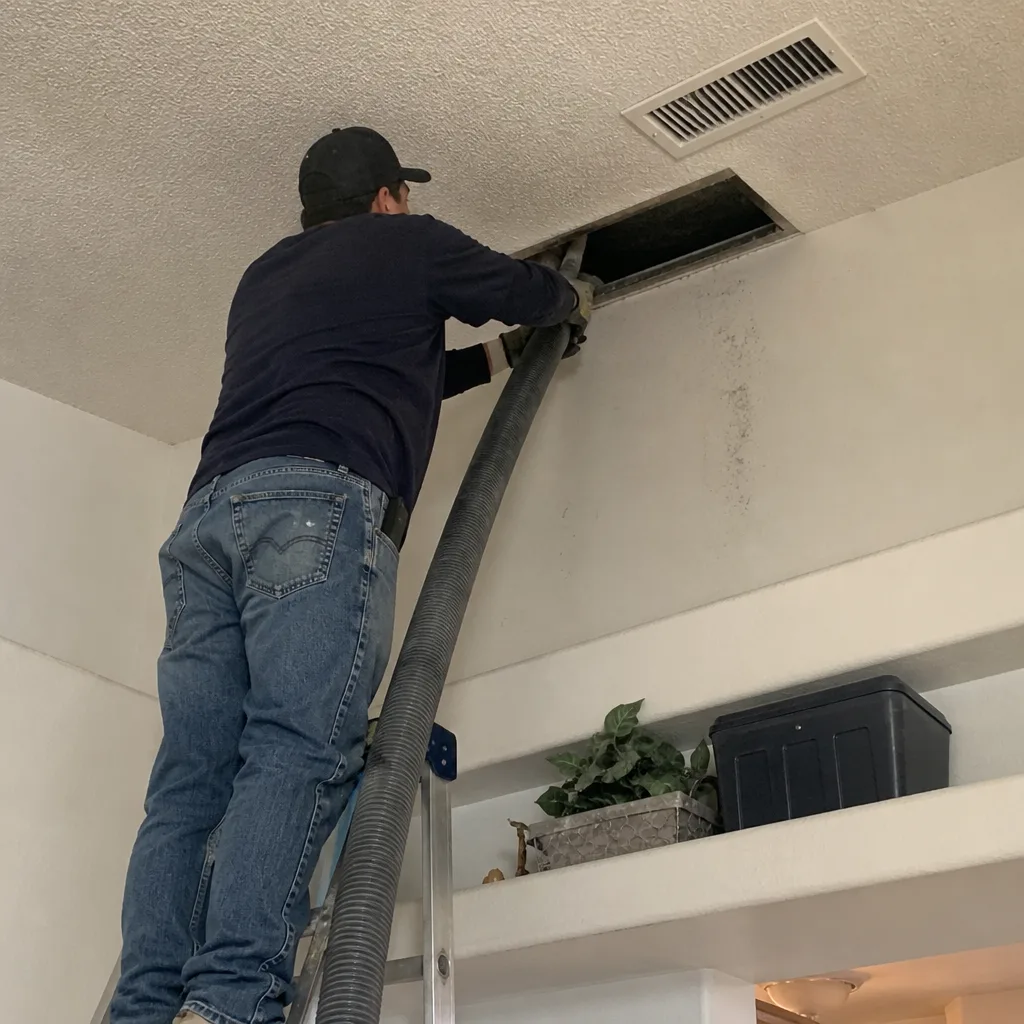 Before
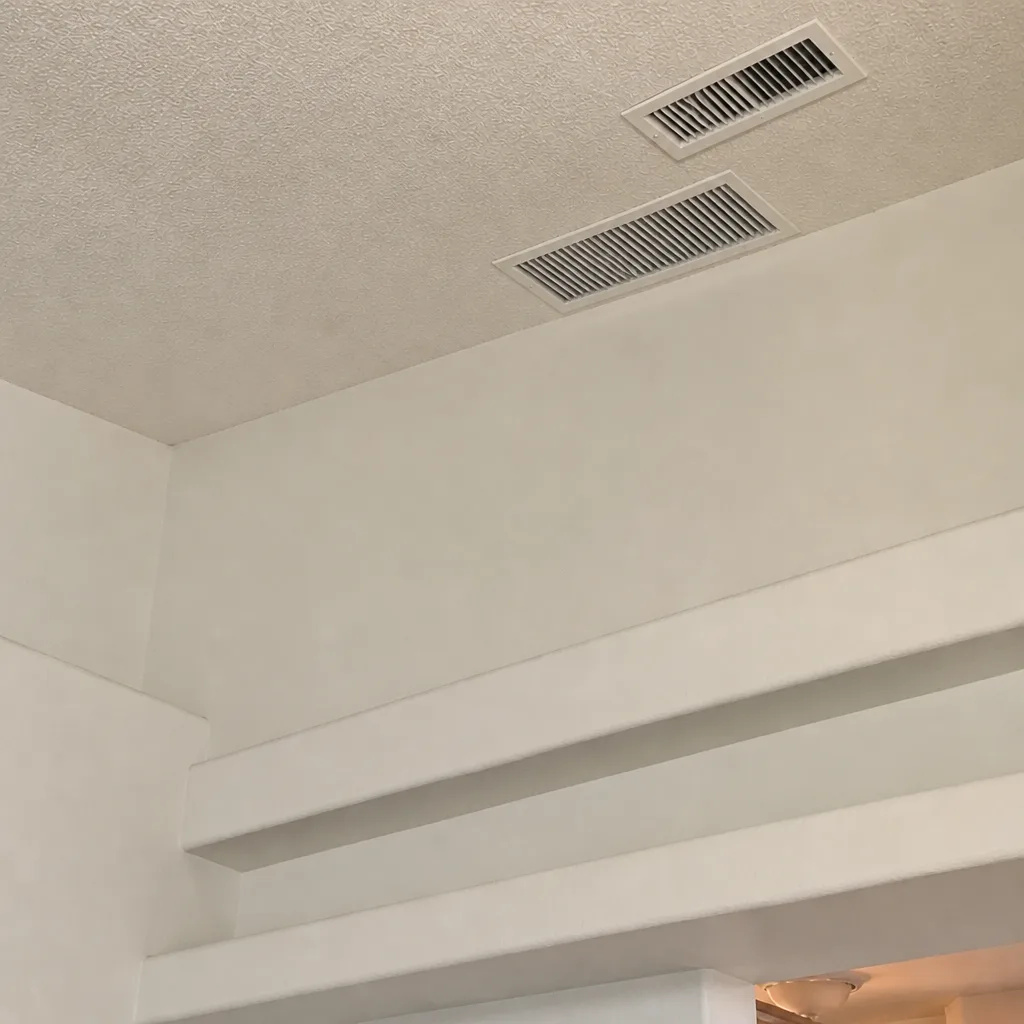 After
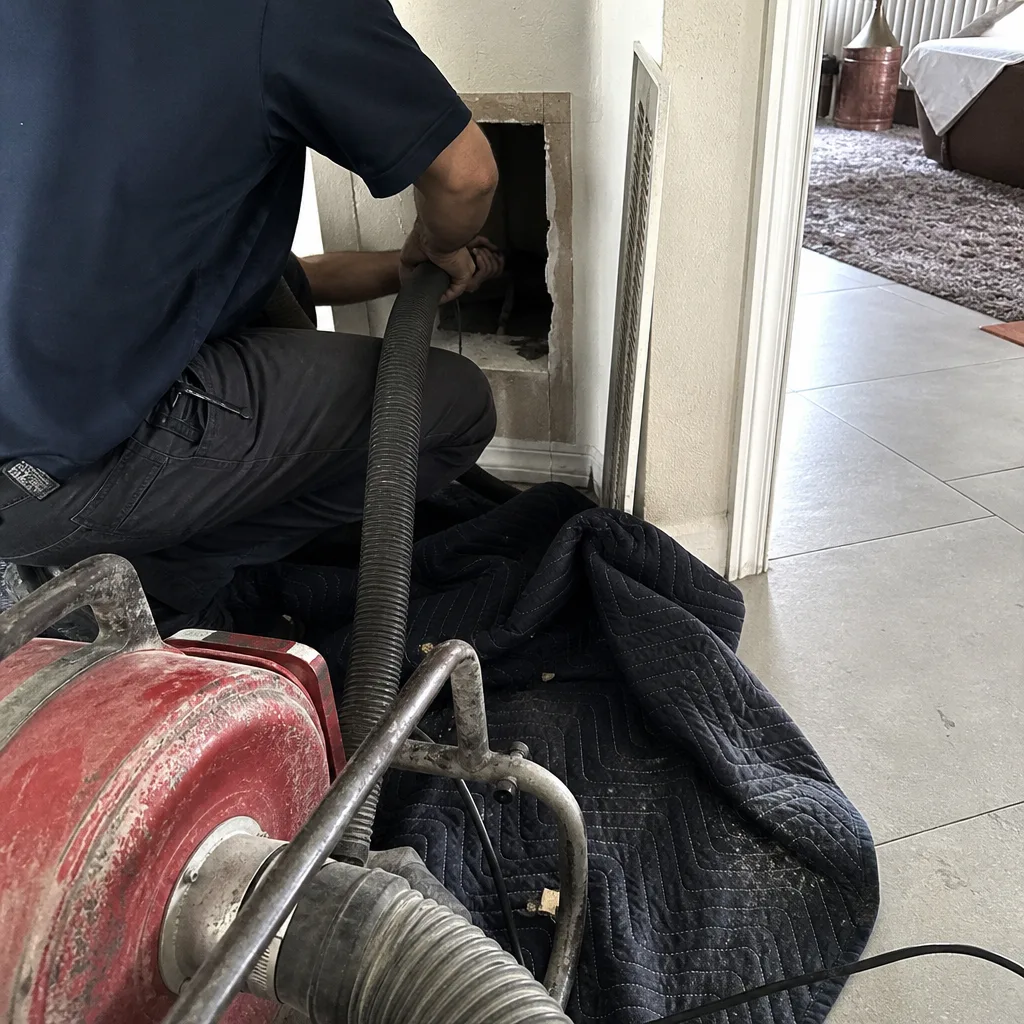 Before
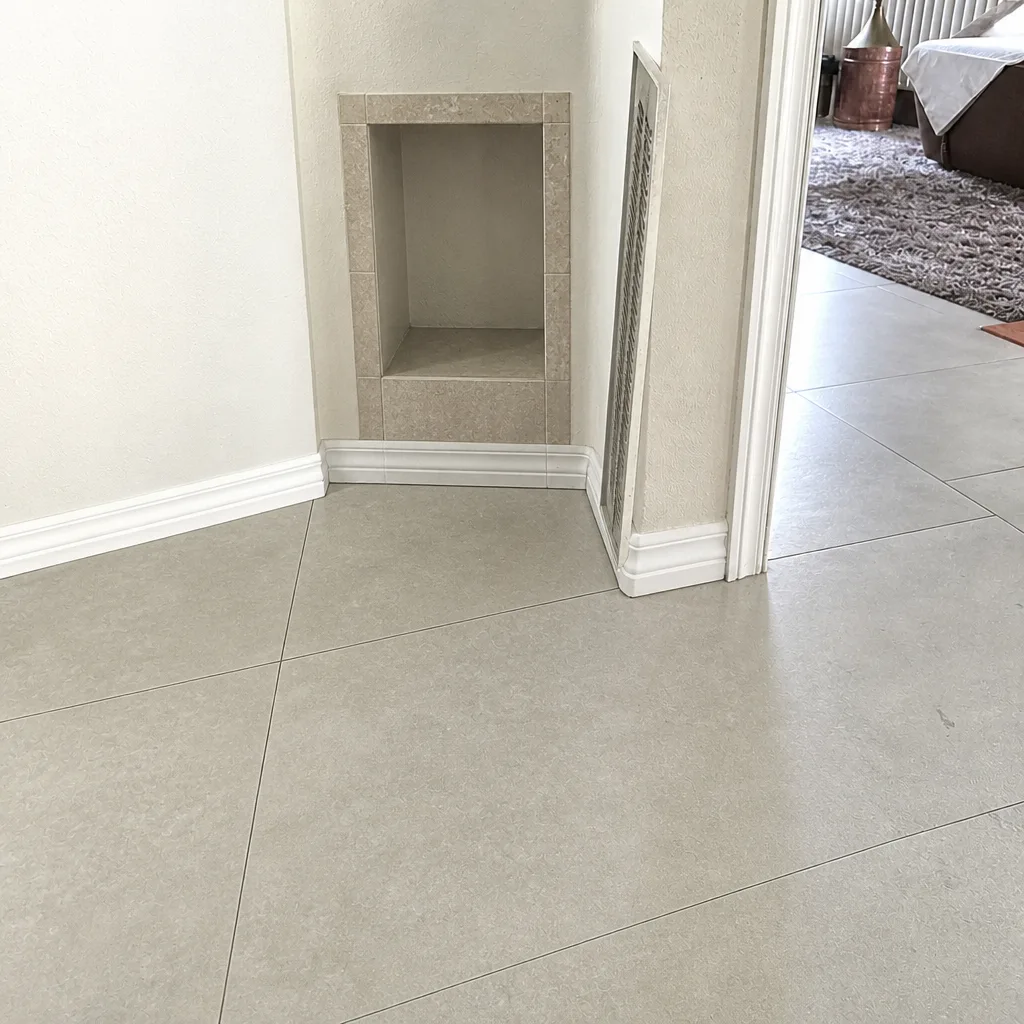 After
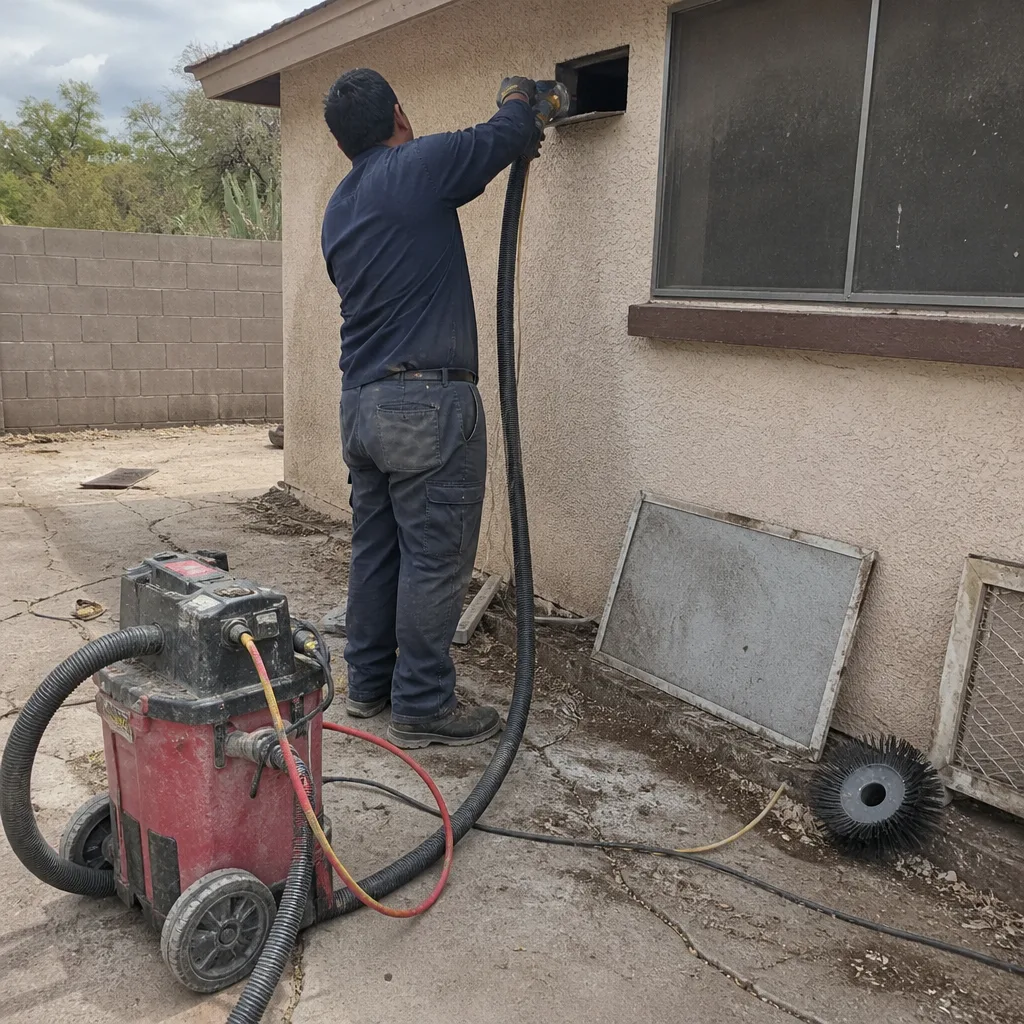 Before
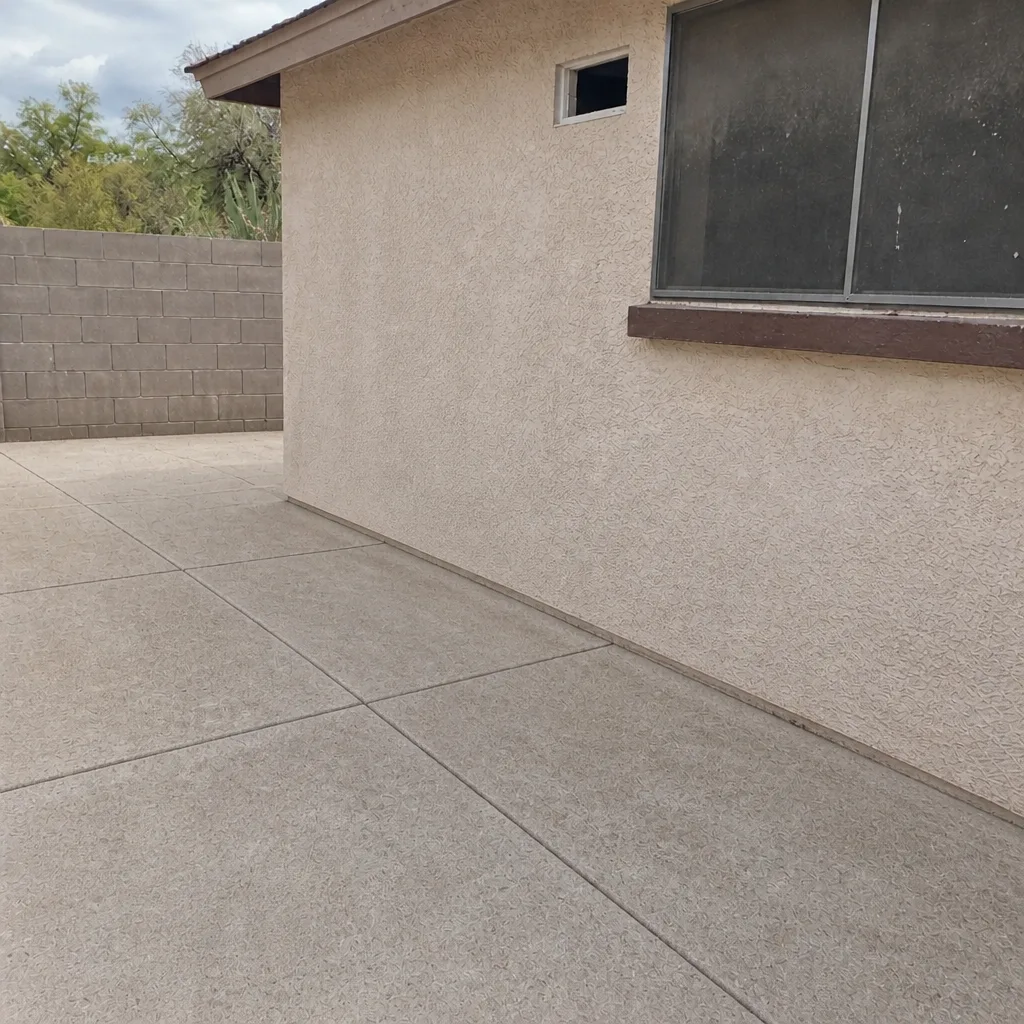 After
When to Call a Professional
Call a professional when any of the following is true: your system hasn’t been cleaned in five or more years; you’ve had a haboob or a major dust event since the last cleaning; there’s been any water event that touched the duct system; one room runs weak while the rest are fine; the return air filter clogs faster than usual; or you can see dust settling on surfaces within hours of cleaning them. Those six conditions all point to a debris load deeper than a consumer tool can reach.
Blackwell Air Duct Cleaning offers free estimates in Tucson. Call (855) 618-0955. We answer 24/7. Fast dispatch from 7am to 7pm, Sunday through Friday. We work with Blackwell Air Duct Cleaning‘s standards for professional-grade extraction and before-and-after verification, and every job is priced per system from a written estimate so there are no surprises once the technician is on site.
Frequently Asked Questions
You can clean the first 12 to 18 inches of each register boot, the register grilles themselves, and the exterior vent terminations. You cannot effectively clean the run past the first bend or the main trunk and air handler with consumer equipment, because a shop vac doesn’t produce the CFM and static pressure required for source removal.
Typical residential pricing in Tucson is in the range of $350 to $700 for a standard whole-system cleaning, with larger homes and duct repair priced separately. That’s a whole-system price agreed before work starts, not a per-vent figure. Call (855) 618-0955 for an exact quote on your home.
Cheap quotes are almost always a teaser price designed to get a technician into the house, followed by a larger invoice for equipment, “add-ons,” or repairs that weren’t in the original number. The honest structure is a whole-system price agreed from a written estimate before any work begins. That’s what you should be comparing, not the number on the coupon.
Ask for before-and-after photos of your own ducts, not stock images. A technician using professional equipment can show what came out of each run and what the run looks like after. If the operator can’t produce photos of your system, they can’t demonstrate the work. Call (855) 618-0955 to schedule a free estimate with us.
Most homes in Tucson benefit from a professional cleaning every three to five years, with the schedule shortened after a major dust event or a water intrusion. Homes with pets, allergy concerns, or older ductwork often need it on the shorter end of that range. Call (855) 618-0955 and we’ll help you figure out where your system sits.
DIY is a good fit for register cover cleaning, return air filter replacement, and exterior vent inspection, all of which are useful projects. It becomes a poor fit the moment you need to work past the first 18 inches of the duct, because the equipment required to do it correctly isn’t available in consumer form. Call (855) 618-0955 for an exact quote on the deeper work.
The Bottom Line
DIY duct cleaning gets you the register covers, the filter, and the exterior vent inspection, and those three tasks are worth doing on a regular schedule. The runs past the first bend, the main trunk, the air handler, and any contaminated system all need professional negative pressure and mechanical agitation, which consumer equipment doesn’t deliver. A whole-system price agreed before work starts, with before-and-after photos of your own ducts, is the honest way to buy a cleaning. In Tucson, that means treating a haboob, any moisture history, and any system over five years without a cleaning as auto-call signals. Call (855) 618-0955 for a free estimate. We answer 24/7. Fast dispatch from 7am to 7pm, Sunday through Friday.
Written by the team at Blackwell Air Duct Cleaning.