
Last updated November 15, 2026
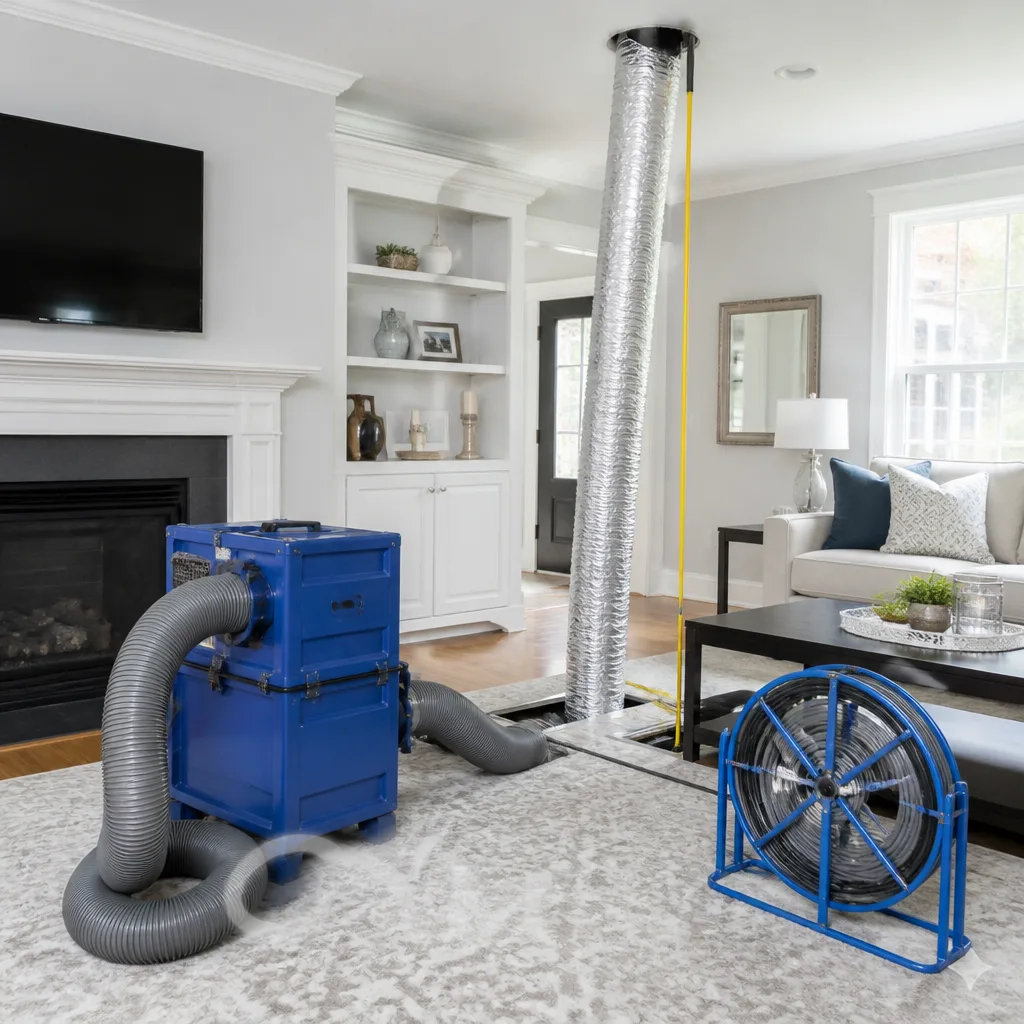 Whole-home duct cleaning
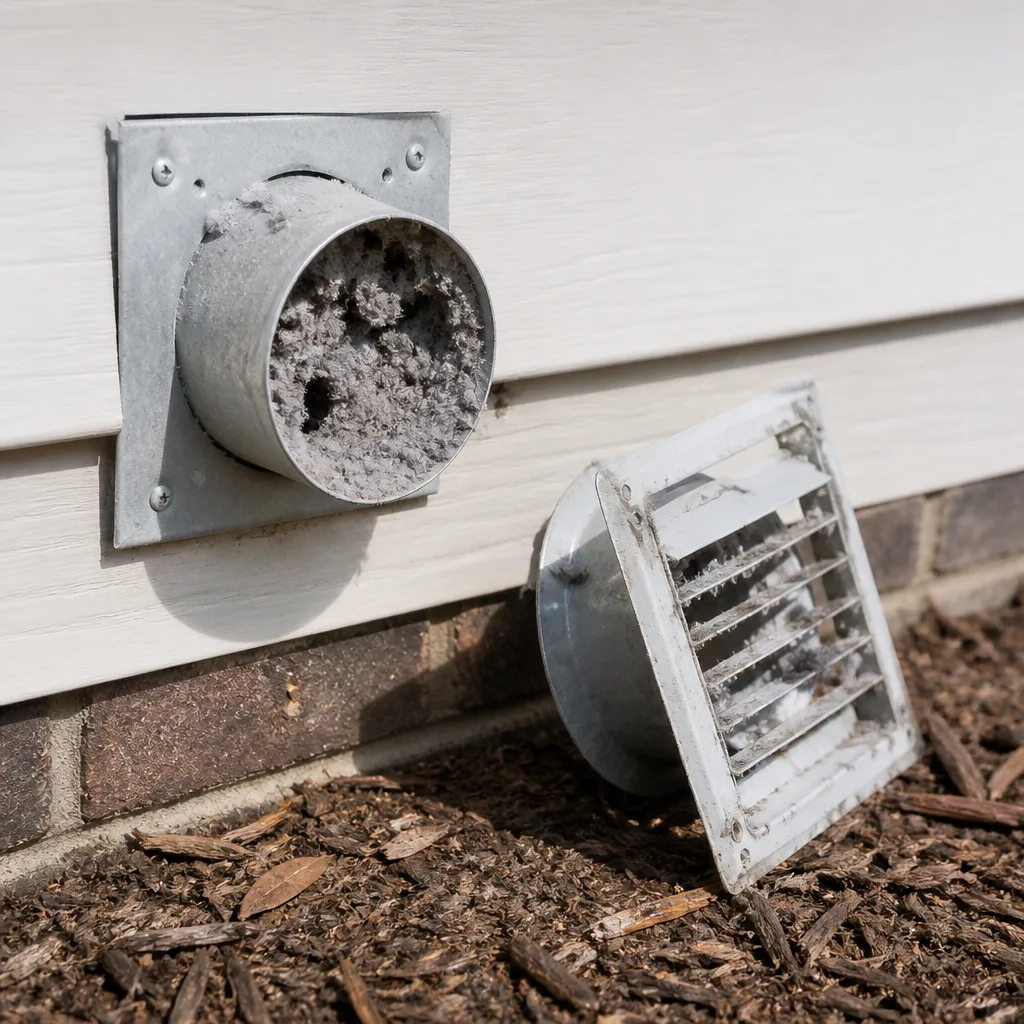 Dryer vent cleaning
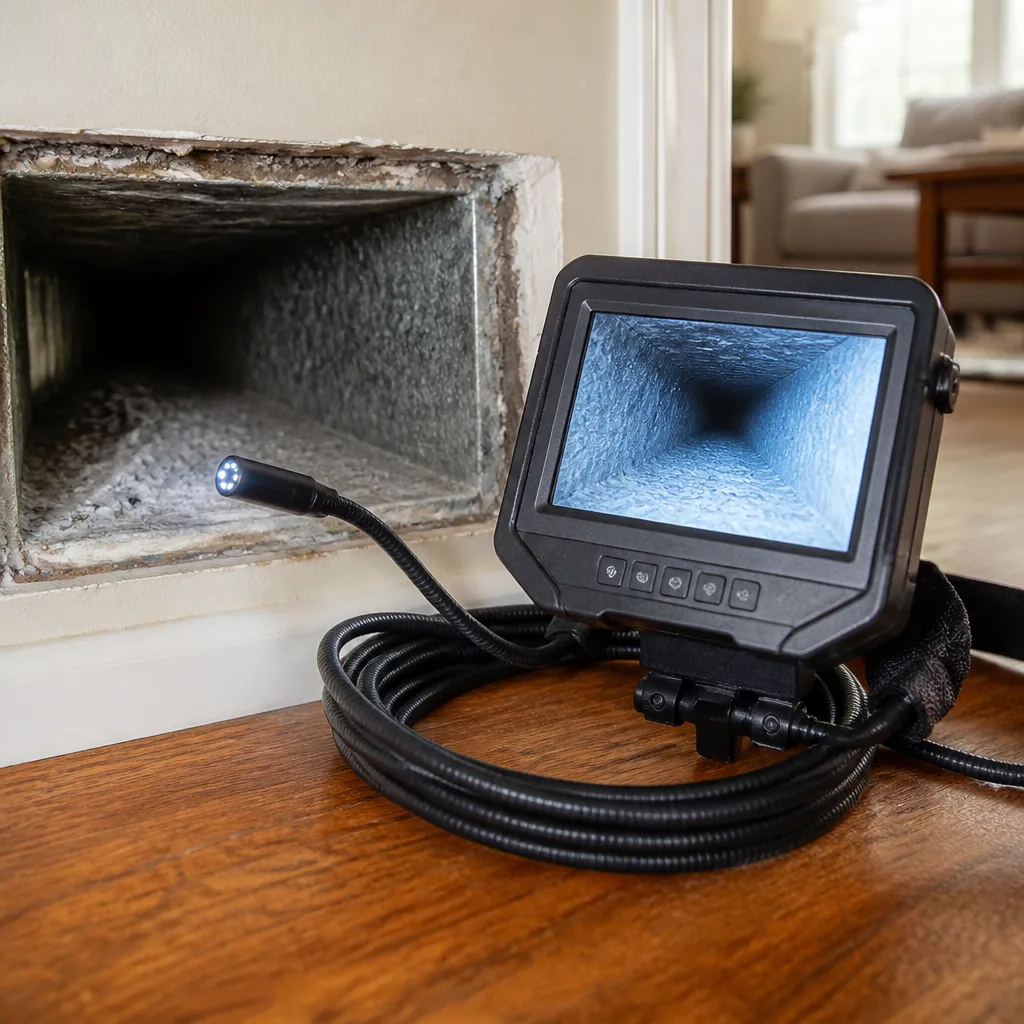 Camera inspection
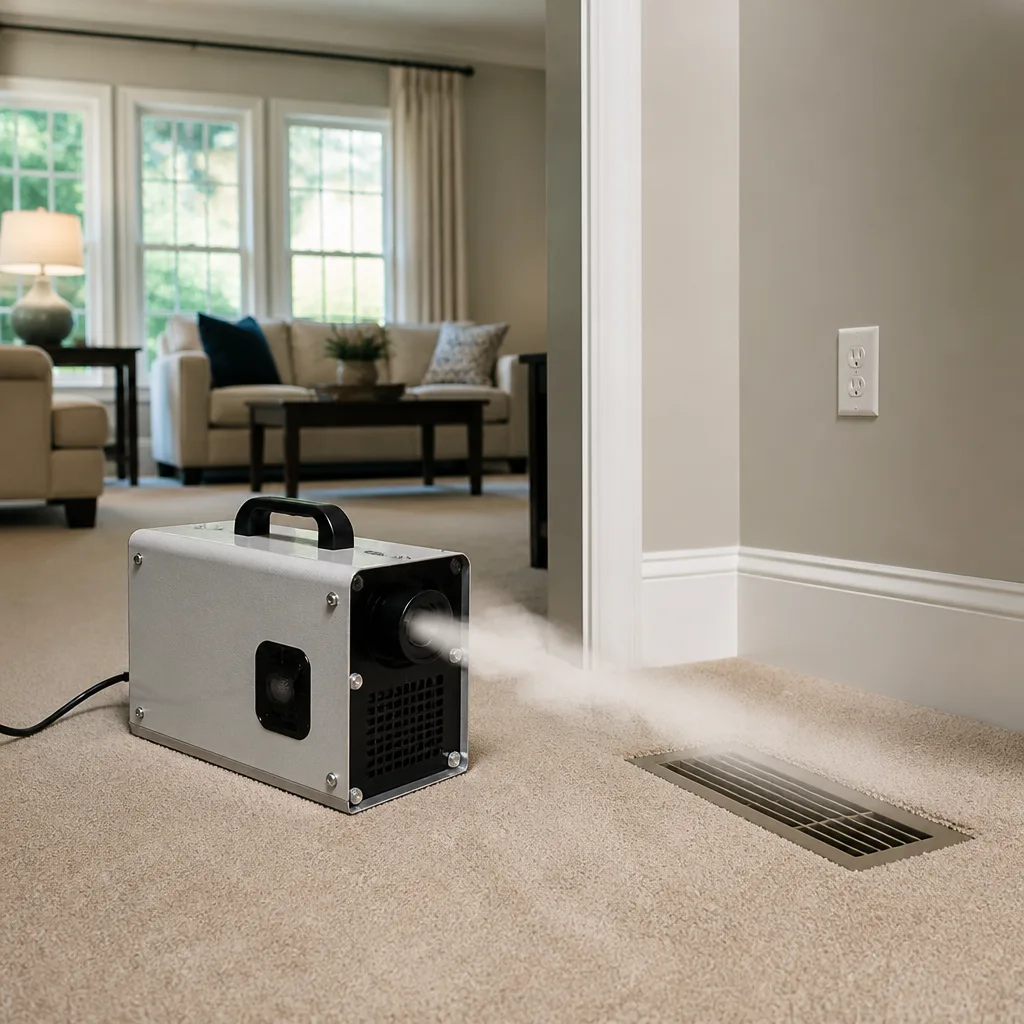 Sanitizing & deodorizing
Whole-system duct and dryer vent check with before-and-after photos - you see exactly what came out of your vents
That "$99 whole-house special" is a bait ad - the real number appears once they are in your hallway, or the "clean" is a shop-vac at the register. We photograph the inside of your ducts before and after instead.
Seasonal Air Duct Cleaning Care for Tucson: Year-Round Homeowner’s Guide
Most homeowners clean their ducts once a year, if that, and pick a date that has nothing to do with how their house actually behaves. In Tucson, a fixed annual schedule misses the point. This desert city doesn’t run on four tidy seasons. It runs on a dry heat phase, a violent monsoon phase, and a short mild winter, and each one loads your ductwork differently. The month before monsoon season and the week after a major haboob tell you more about what your ducts need than any generic calendar. In this guide, we’ll walk you through what each phase does to your system, the warning signs to watch for, and how to time cleaning so it lands in a window that actually matters for a Tucson home.
Quick Answer
Air duct cleaning in Tucson works best when it’s tied to the climate phases, not the calendar: inspect seals and drains in May and June before the first humidity, assess for microbial growth in September and October after the monsoon, and check for settled dust circulation when the furnace first runs in winter. A single annual cleaning usually misses at least one of these windows, which is why we treat seasonal timing as part of the work itself.
Styles & brands we work with
- Whole-home duct cleaning
- Dryer vent cleaning
- Camera inspection
- Sanitizing & deodorizing
Table of Contents
- Why Tucson Doesn’t Have a Normal Seasonal Calendar
- Pre-Monsoon Priorities: What to Check in May and June
- The Monsoon Phase: What 90 Days of Humidity Does
- Post-Monsoon Assessment: The September-October Window
- Winter in Tucson: Short Heating Season, Long Dust Load
- How to Schedule Around High-Demand HVAC Periods
- Season-by-Season Warning Signs Your Ducts Are Overdue
- Dryer Vent Cleaning Has Its Own Tucson Season
Why Tucson Doesn’t Have a Normal Seasonal Calendar
If you moved here from a place with four distinct seasons, your instinct is probably to clean ducts in spring and call it done. That logic assumes your system sits idle for parts of the year. In Tucson, it doesn’t. The cooling system carries most of the load from roughly April through October, with a break in the middle when the monsoon rolls through. That’s a long stretch of continuous operation. The filter works hard, the return side pulls in desert dust, and the whole system stays warm and dry for months.
Then the monsoon arrives, usually sometime in late June or early July. Humidity climbs fast. Depending on where in Tucson you live, afternoon storms can push interior humidity well past what the system has handled all spring. Ninety days later, when the monsoon ends, the system has gone through a full humidity cycle on top of the dry-season dust load. By November, the heating season starts, and that first run of the furnace dislodges every bit of dust that settled in the ductwork during the cooling-dominant months. Each of these transitions leaves a distinct signature in your ducts.
The practical takeaway: there’s no single right month to clean. There are three or four meaningful inspection points a year, and the intervals between them matter more than the cleaning itself. Homeowners who understand this usually end up cleaning less often than they feared but at better times.
Our technicians have up to 11 years of experience working in these conditions, and that turns out to matter. Humidity-driven problems in Tucson look different from humidity problems in a coastal climate. We’re not fighting salt air or condensation on cold surfaces. We’re fighting a specific cycle of dry dust, sudden moisture, and long warm stretches, and it just doesn’t present the same way it would elsewhere.
Pre-Monsoon Priorities: What to Check in May and June
May and June are the critical inspection window in Tucson. The system is about to meet its first real humidity of the year, and if the ductwork has any weak points, that’s when they’ll show. Two things matter most: duct seals and drain components.
- Inspect duct seals. Loose connections in the supply and return ductwork let conditioned air leak into unconditioned spaces like the attic or crawl space. During the dry season, that’s wasteful but not catastrophic. When humidity jumps, gaps in the ducts become entry points for humid attic air. Check the seams at the air handler, the main trunk connections, and every register boot.
- Check the condensate drain. Your cooling system pulls moisture out of the air and routes it out through a drain line. Before the monsoon, that drain needs to be clear and flowing. A partially blocked drain line is manageable in May. In July, when the system is removing far more moisture per day, it becomes a water problem inside the system housing.
- Look for sign of microbial risk in the duct interior. If the inside of the return plenum or any duct segment looks dark, damp, or has visible surface growth, that’s a problem to address before humidity rises.
- Photograph the registers and grilles. Take photos of the dust pattern at every register. This gives you a baseline to compare against in September. It’s a small habit, but it makes the post-monsoon assessment far more useful than trying to remember what the vents looked like in spring.
This is also the best time in Tucson to do a full cleaning. You’re about to enter the highest-demand period for the cooling system, and a clean, well-sealed duct system performs better under load. It’s why our air duct cleaning schedule tends to fill fast in April and May, and it’s worth booking that window early if you’re going to clean this spring.
The Monsoon Phase: What 90 Days of Humidity Does to Ductwork
Monsoon season is the one stretch of the Tucson year where humidity is genuinely elevated for months on end. During the day, the system runs hard removing moisture from the indoor air. At night, the ducts cool down and any surface moisture has a chance to sit. This daily cycling is what makes the monsoon phase distinct. If the ducts have settled dust, that dust can absorb moisture during the high-humidity days and dry out overnight. Organic material in the dust, hair, skin cells, pet dander, and fine plant debris, creates a surface where microbial growth can develop.
What homeowners in Tucson typically notice during the monsoon itself:
- A musty or “damp basement” smell when the system first comes on in the afternoon
- Slightly reduced airflow on the returns, especially if the filter has been pulling moisture-laden air
- Visible dark spots or staining around registers or on the register face
- Allergy or sinus symptoms that seem to follow a pattern with the weather
The thing that surprises people is that the smell shows up when the system is doing the most cooling, not the least. That’s backwards from what they expected. It happens because the moisture is being pulled through the system right then, and it’s interacting with the dust load.
If the system is showing any of these signs during the monsoon, don’t wait for September. A professional assessment during the season can tell you whether the problem is surface-level and can wait, or whether it needs corrective work. This is where proper equipment matters. If contamination is significant, we bring in Abatement Technologies negative-air and HEPA-filtration equipment to contain the work and filter the return air while we’re in the system. That’s a very different process from a routine cleaning, and it’s the reason we keep that capability in-house rather than working around problems we can’t handle.
Post-Monsoon Assessment: The September-October Window
When the monsoon ends, usually in late September, the system has just finished 90 days of cycling between dry heat and elevated humidity. This is the second most important inspection window in Tucson, and it’s the one most homeowners skip. The house feels normal again, the weather is pleasant, and there’s no obvious reason to think about the ducts.
Here’s what a post-monsoon assessment should cover:
- Compare current register dust to the spring photos. If the pattern has visibly darkened or grown, the dust load has clearly increased during the season.
- Smell-test the first minutes of system operation. Any musty odor in September or October, especially if it wasn’t there in June, is a sign of microbial activity that built up over the monsoon.
- Check the evaporator coil area. The cooling coil stays wet during monsoon season. If the filter has been letting dust through, or the drain has been slow, that area can develop a damp, sticky dust layer that’s very different from the dry dust of the spring.
- Assess duct interior with a camera. A small inspection camera inside the ducts is the only way to actually see what happened during the season. A flashlight at the register doesn’t get you the same information.
- Decide whether to clean now or wait until pre-heating season. If the ducts look fresh, a fall cleaning may be unnecessary. If they show microbial staining or heavy accumulation, cleaning in October, before heating season, is usually better than waiting until spring.
In our experience, about half the Tucson homes we assess in the fall need a cleaning and about half just need a repair to a duct seal that loosened during the summer. Knowing which one you have is more useful than cleaning on a schedule. Air duct repair is a standalone service for us, not an upsell, because fixing the cause of the inefficiency is usually the right answer when cleaning alone won’t solve the problem. We’d rather tell you the ducts look fine and leave than clean a system that doesn’t need it.
Winter in Tucson: Short Heating Season, Long Dust Load
Winters here are mild. Heating season is short, and many Tucson homes run the furnace for only a few weeks or months depending on the year. That’s the good news. The less obvious news is that the first run of the heating season dislodges every bit of dust that settled into the ductwork during the long cooling-dominant months. That dust has been sitting stationary since roughly October, and when the furnace first kicks on, it gets lifted into the living space.
The signs to watch for in early winter:
- A sharp increase in visible dust on surfaces within the first week of furnace operation
- A burning or dusty smell the first few times the heat runs (a small amount is normal for the first run, but repeated smells over days suggest a dust problem)
- Airflow that feels weaker on the supply side than you remember from last winter
- Allergy symptoms that start when the heat comes on, not when the cooling does
Winter in Tucson is also an excellent time for a full-system cleaning if you skipped the fall window. The system is under lower load, the demand for HVAC service is lower, and the work can be done without disrupting the house during the hottest or busiest part of the year. It’s a scheduling advantage, not a hygienic one. If your ducts needed cleaning in October, they’ll still need it in January.
If your home has a whole-home humidifier (common with Aprilaire systems in Tucson, where dry air is the bigger year-round concern than humidity), winter is also the time to check that the humidifier and the ducts are working together. Dust in the ducts can be intensified by a humidifier that’s adding moisture to air that then picks up that dust. Making sure both are clean and functioning is part of the winter check.
How to Schedule Around High-Demand HVAC Periods
Timing a duct cleaning isn’t just about the ducts. It’s about the calendar pressure on HVAC service in Tucson. Three windows are typically the hardest to book:
- April through June: Every HVAC company in town is handling the pre-summer rush. Duct cleaning slots fill up quickly in this window, especially if you want the work done before the first monsoon.
- Late June and early July: The first week of monsoon is peak demand across the board, and no crew wants to be running negative-air equipment in a house during that window unless the work is urgent.
- October into November: The fall is a busy general-service window, and duct cleaning competes with heating-system commissioning work.
Three scheduling principles that actually help:
- Book the pre-monsoon cleaning in March or early April. You’ll have the work done before the rush, and you get the whole monsoon season with a clean system.
- Use the deep-summer window (August) for assessments rather than full cleanings if the system is running fine. The system is under peak load, and a light inspection during a normal service visit is often plenty.
- Book the post-monsoon cleaning in the first week of October, before heating-season scheduling starts. This gives you the clean system going into winter, which is exactly what you want.
For homeowners in Tucson, the practical answer is: there’s a good window most months of the year, but the best windows are the ones just before and just after the two major climate transitions, and those are also the windows that fill up first.
Season-by-Season Warning Signs Your Ducts Are Overdue
The single most useful thing you can do as a Tucson homeowner is learn what “overdue” looks like in each phase. Generic advice like “change your filter regularly” doesn’t tell you when the ducts themselves are the problem. Here’s what to watch:
- Pre-monsoon (May-June): Loose register boots, whistling at the seams, visible dust puffs from supply registers when the system starts, or a musty smell that appears after the first humid day.
- Monsoon (July-September): Damp, musty odor when the system runs in the afternoon; visible dark staining around registers or on the ceiling near a register; condensation on supply registers that doesn’t clear during the day; allergy symptoms that track weather patterns.
- Post-monsoon (September-October): The fall assessment points from the previous section, plus any change in air quality that appears within a few weeks of the monsoon ending.
- Winter (November-February): A sharp increase in surface dust during the first week of winter heat operation, a dusty smell that repeats on multiple days, or reduced supply airflow compared to last winter.
One thing we’ve learned working in Tucson homes is that odor is usually the most reliable early indicator. Homeowners often don’t notice dust accumulation on its own, but they notice a smell. If the smell shows up and doesn’t go away within a couple of days of system operation, that’s a signal to look closer.
The equipment we use makes a real difference on a full assessment. Rotobrush rotary-brush systems and Nikro vacuum platforms are the same tools certified restoration contractors use. They’re not the shop-vac-style equipment that some generalists use for duct work. When a technician is looking for the source of a smell, that equipment tells them what’s actually growing in the system rather than just what’s visible at the register.
Dryer Vent Cleaning Has Its Own Tucson Season
Dryer vent cleaning is a separate service for us and a separate schedule. Lint buildup in the dryer vent is a fire-safety concern year-round, but the risk profile in Tucson shifts with the seasons too. During the dry heat months, the vent runs hotter and lint can bake into a sticky, compressed layer that’s harder to remove later. During monsoon season, the humidity that affects the ducts also affects the vent, and in some homes the vent can hold moisture on humid days.
For most Tucson households, an annual dryer vent cleaning is the baseline. Homes with heavy laundry volume, long vent runs, or a vent that exits the roof rather than the wall generally need it more often. Signs it’s overdue:
- Clothes taking noticeably longer to dry than they used to
- The dryer or the vent area feeling unusually hot during a cycle
- A burning or musty smell from the vent
- Visible lint accumulation behind the dryer or at the exterior vent flap
We treat this as a fire-safety service, not an add-on. When our technicians are in the home for a duct cleaning, we’ll often flag a dryer vent issue separately, but we won’t fold the work into the duct pricing to make it look cheaper. Two different jobs, two different scopes. If you’re in one of the Tucson neighborhoods where the laundry room vents through a longer roof run, a standalone dryer vent cleaning assessment is worth scheduling on its own.
Common Mistakes to Avoid
- Cleaning once a year on the same date. The Tucson climate doesn’t cooperate with a fixed schedule. If you clean every March, you’ll always miss the post-monsoon assessment, which is usually the more informative of the two windows.
- Skipping the pre-monsoon inspection. This is the single most consequential window in the Tucson year. If the seals and drains aren’t checked before the first humidity, small issues become expensive ones by August.
- Judging the ducts only by what’s visible at the register. The register is the easiest thing to check and the least informative. The dust pattern at a supply register tells you almost nothing about what’s going on in the return plenum or the coil area, which is exactly where the monsoon damage shows up.
- Buying the cheapest cleaning quote. In Tucson, as everywhere, cheap quotes mostly reflect what’s not being done, not a bargain. A cleaning without a camera inspection, proper containment, or the right equipment to handle monsoon-phase contamination is a different service than what a professional duct specialist provides.
- Cleaning the ducts but leaving the seals alone. A cloudy, loose seal at the air handler lets desert dust into the ductwork all year. Cleaning without tightening those seals means the problem returns within a few months. Repair is often the right answer, not another cleaning.
- Ignoring the dryer vent because the ducts look fine on the surface. The dryer vent is a separate system with a separate risk profile. A dust-free duct doesn’t tell you anything about lint buildup in the vent.
- Letting a humidifier or whole-home filter run indefinitely without service. Aprilaire and Honeywell systems in Tucson work alongside the ducts, and if either is out of operation, it changes how the ducts load. An unserviced humidifier or a saturated whole-home filter can make a duct system look worse than it is, or hide a problem that’s actually there.
See the difference
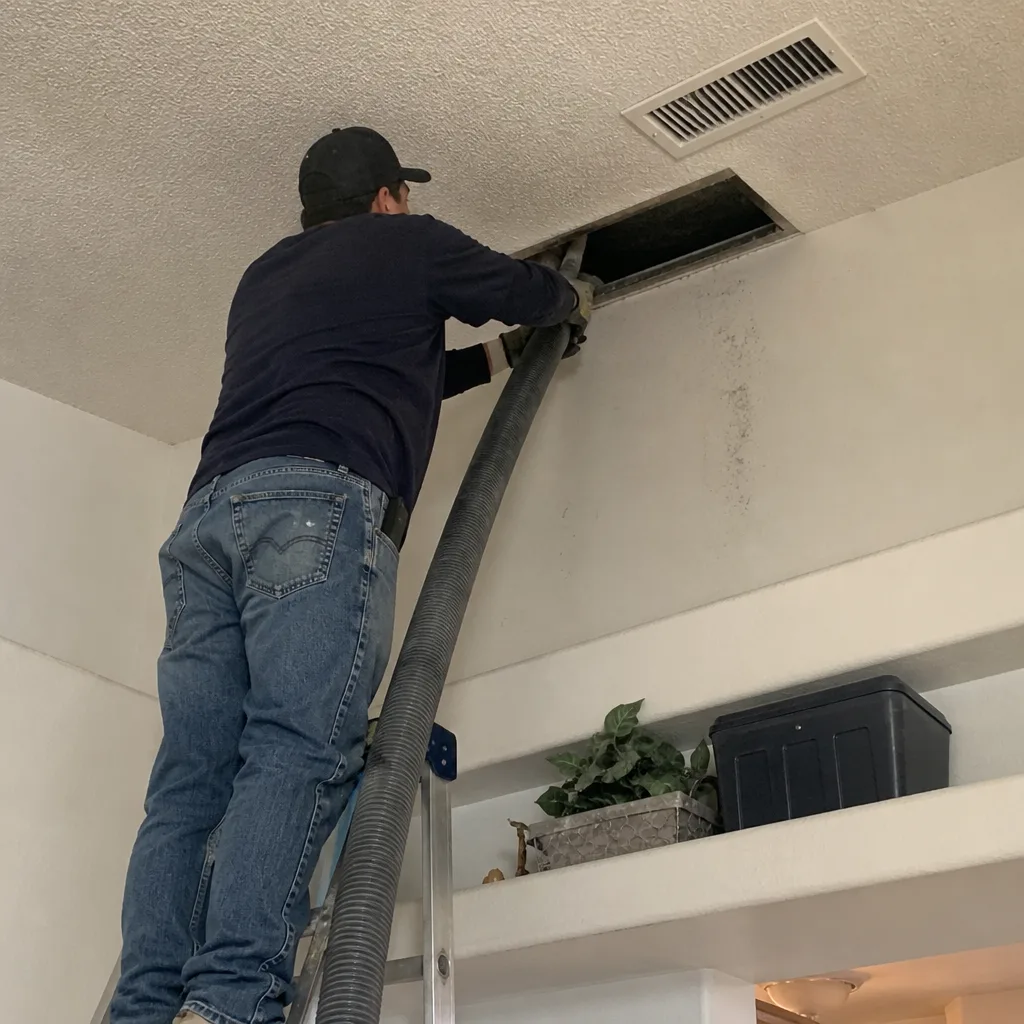 Before
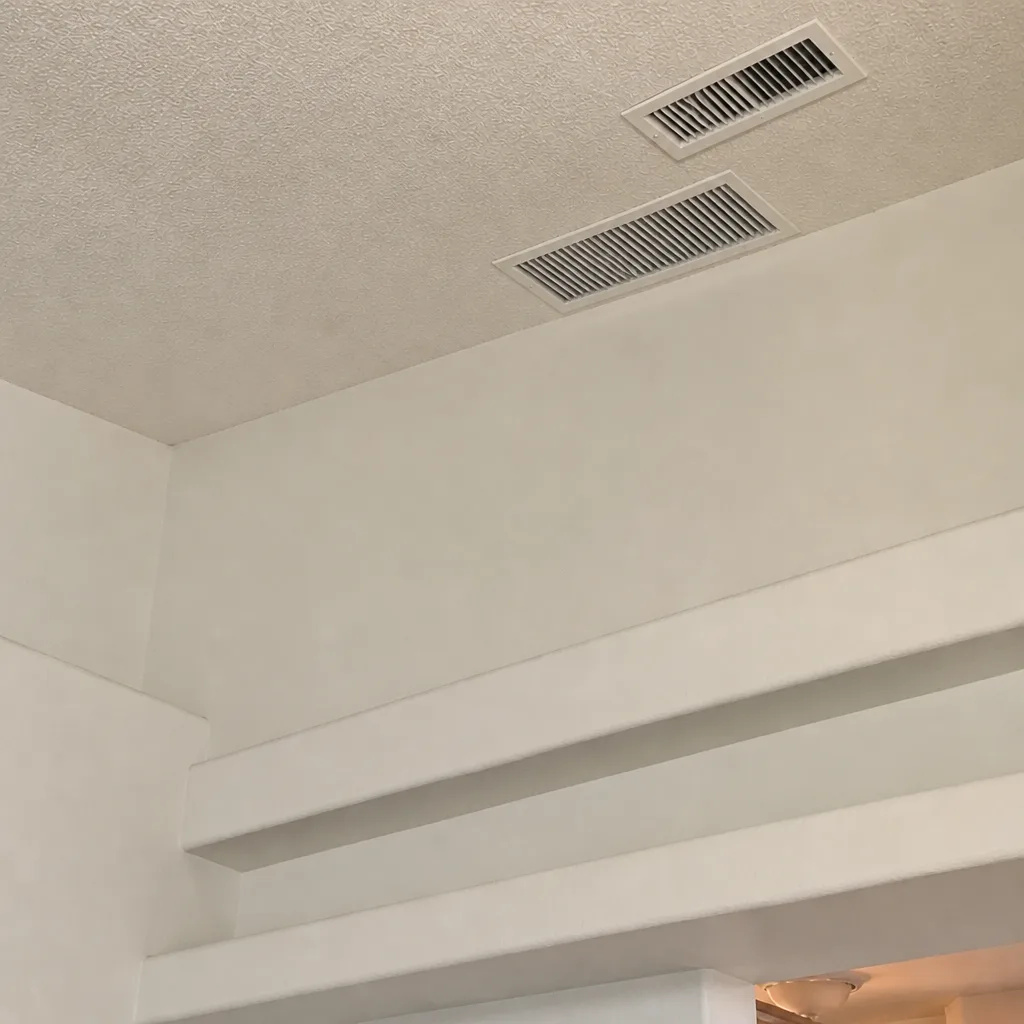 After
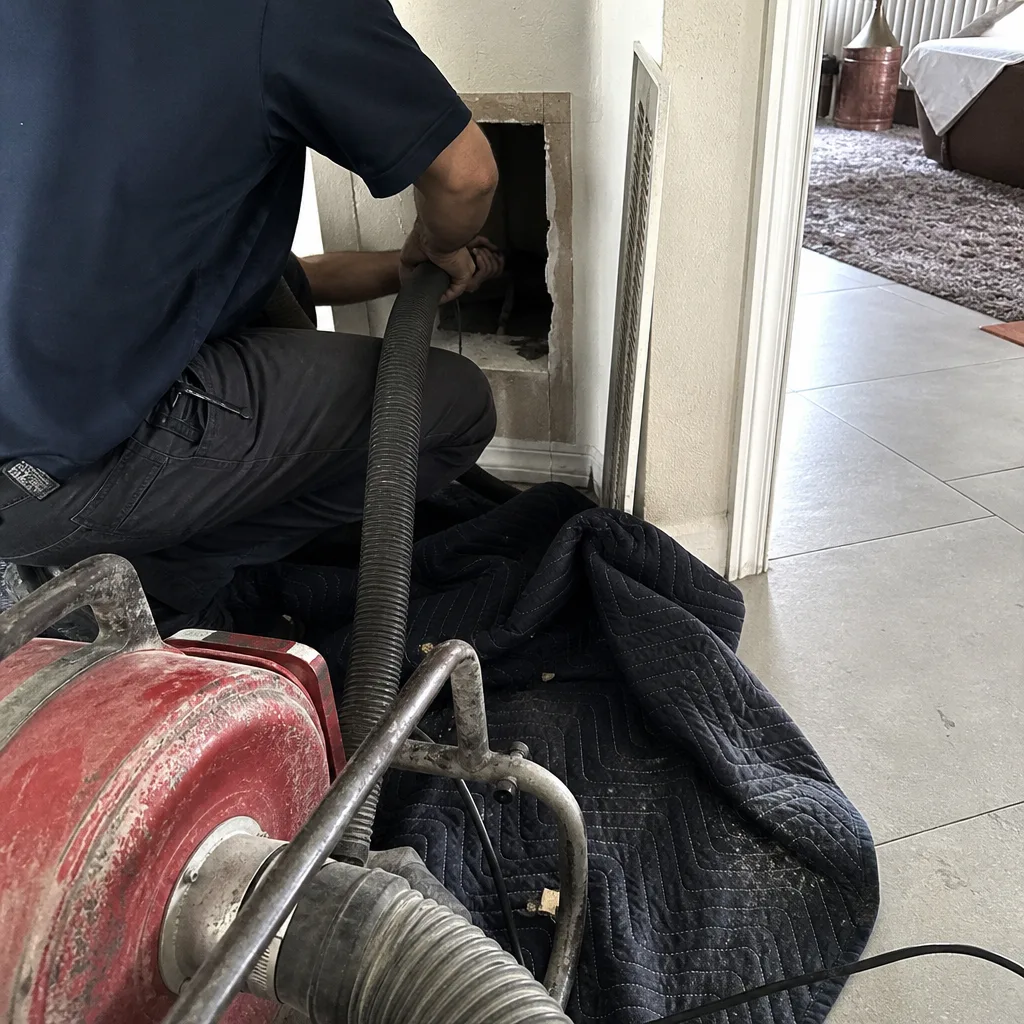 Before
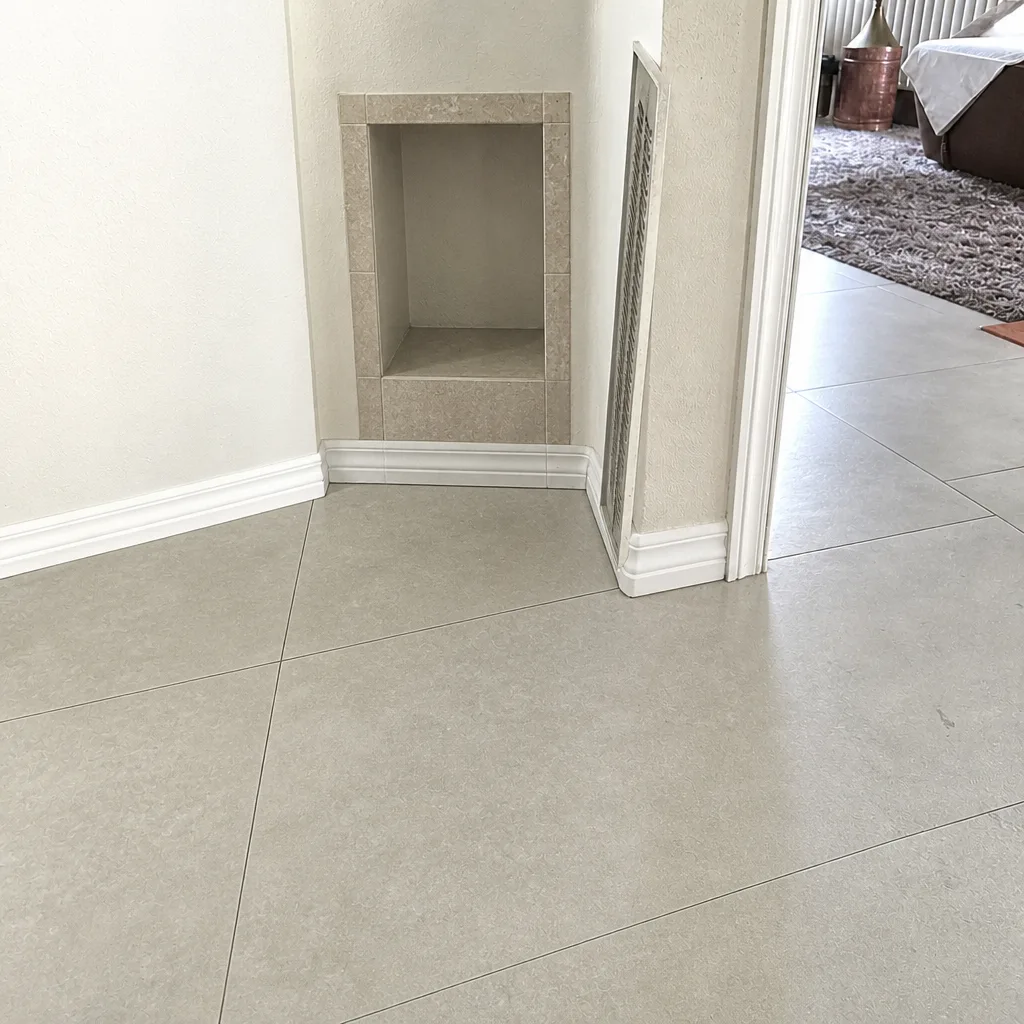 After
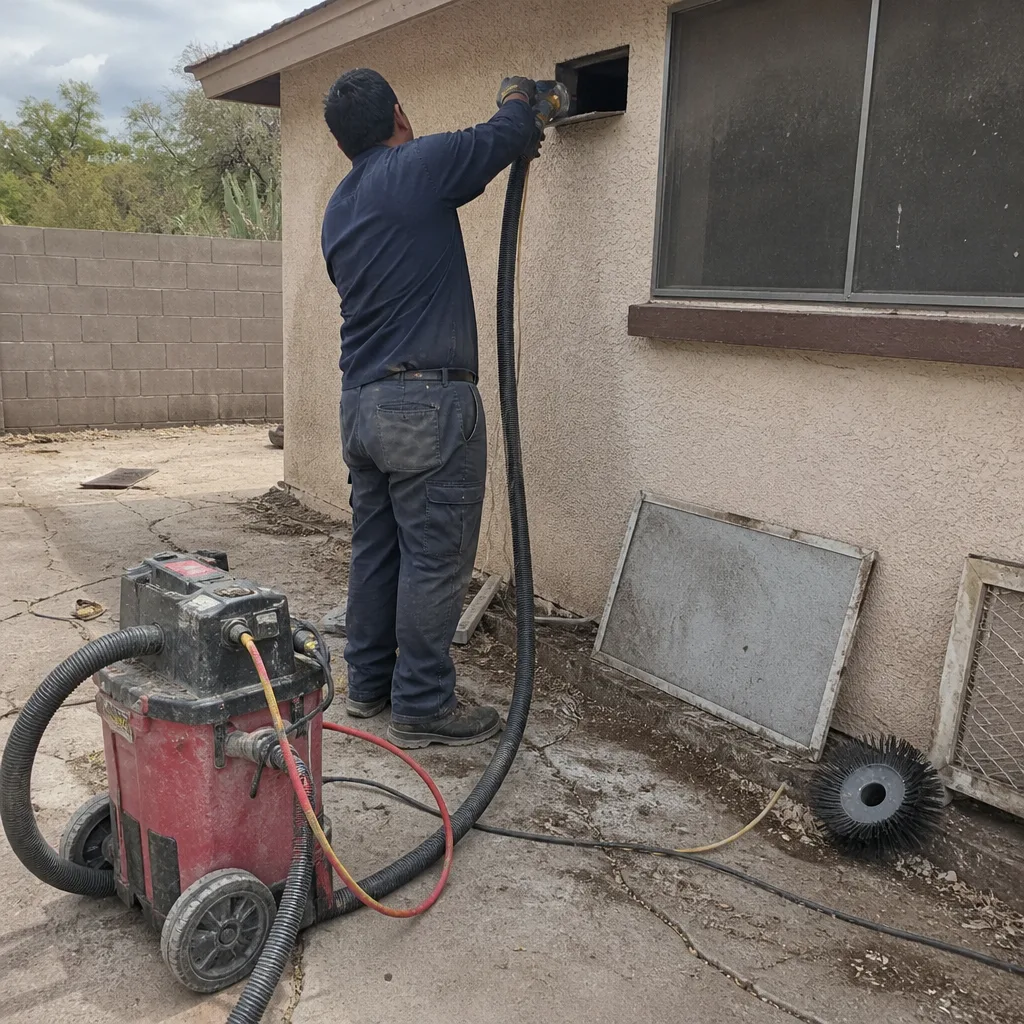 Before
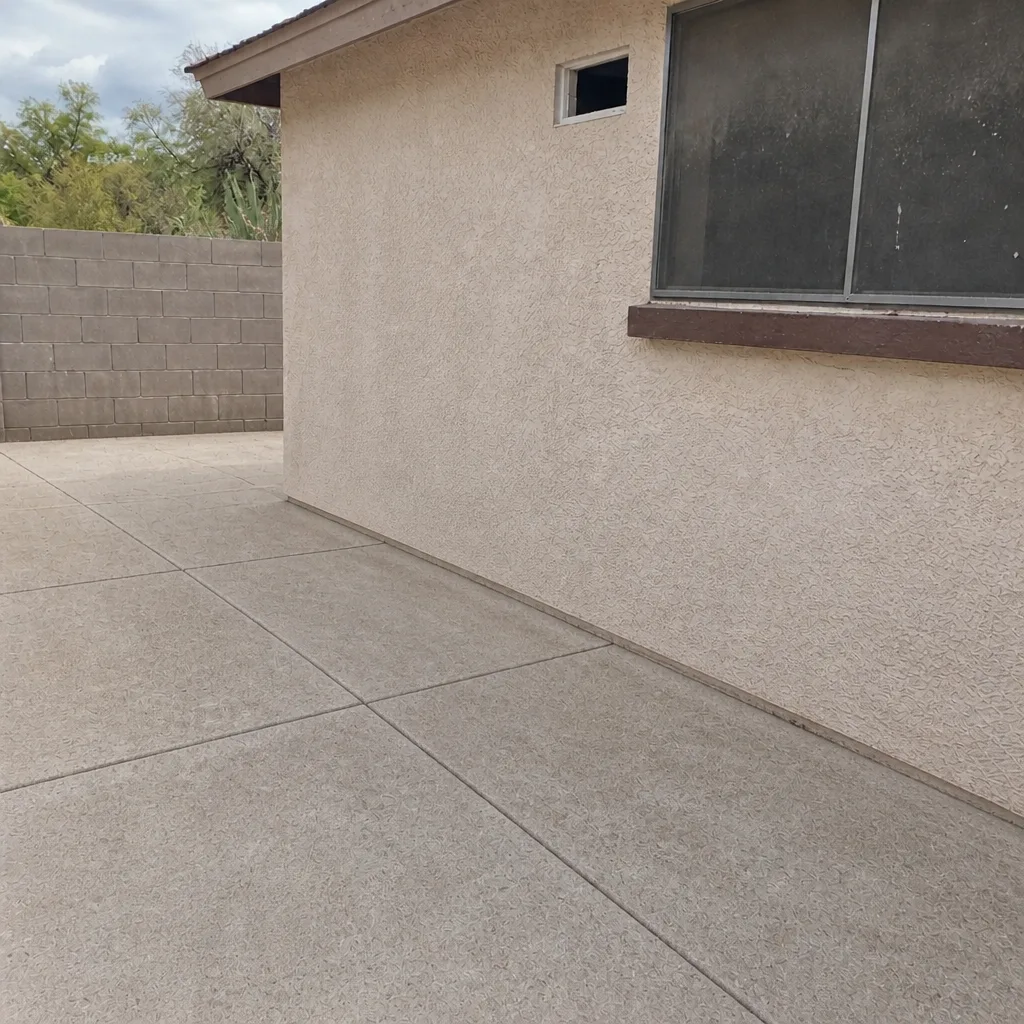 After
When to Call a Professional
Some duct conditions you can manage with a filter change and a look at the registers. Others need a professional. Call a professional if you notice persistent musty odors during the monsoon season, visible dark staining around registers, a clear jump in surface dust within days of the first winter heat run, or airflow that’s changed meaningfully compared to last year. Call if you’re in a home where the ducts have never been cleaned and you’ve been in it for several years, or if you’ve recently had work done and want to confirm the ducts are sealed properly. Call if the dryer is taking longer than it used to, or if the vent area is getting hot. And call if you’re not sure whether the ducts need cleaning or repair, because those are different services and guessing is expensive.
Blackwell Air Duct Cleaning offers free estimates in Tucson. Call (855) 618-0955. We answer 24/7. Fast dispatch from 7am to 7pm, Sunday through Friday. Our technicians have up to 11 years of experience working in this climate, and we bring professional-grade equipment to every job.
Frequently Asked Questions
Once a year is not automatically the right answer in Tucson. The climate here creates two major inspection windows (pre-monsoon in May and June, post-monsoon in September and October) and a heating-season check in early winter. Most homes do well with a full cleaning every one to three years, timed to the pre-monsoon window, plus a professional assessment after the monsoon. Homes with pets, allergy-sensitive occupants, or recent duct damage may need a tighter schedule. Call (855) 618-0955 for a free estimate and we’ll tell you what makes sense for your home.
Late April or early May is typically the best month for a full cleaning, because the ducts are clean going into the highest-demand period of the year and the system is well-sealed before the first humidity. The second-best window is early October, after the monsoon ends and before heating season starts. Cleaning in July or August is possible but usually less useful, since the ducts are under the most load and the work conflicts with peak HVAC service demand.
Pre-monsoon assessment checks whether the ducts are ready for humidity: seals tight, drains clear, no existing microbial risk. Post-monsoon assessment evaluates what the last 90 days actually did to the ducts: whether the dust load increased, whether there’s visible staining or odor from monsoon-phase moisture, and whether repair is needed. They’re different inspections with different goals. Doing both gives you a full picture of the season’s effect on your ductwork. Call (855) 618-0955 for a free estimate if you want to schedule either one.
No, and here’s why. Fall cleaning gets the ducts clean before winter, but the first weeks of furnace operation still dislodge dust that settled during the cooling-dominant months. Even with clean ducts, the surfaces and the surrounding house accumulate dust, and the heating system circulates that dust. The winter check is short and mostly about observation. Watch for a sudden increase in surface dust or a dusty smell in the first week of heat. If either shows up, follow up. It’s not a full cleaning, just a check.
The monsoon effect is real, and it’s specific. Humidity in the 60%+ range for extended periods, daily cycling between the cooling system removing moisture and the ducts drying overnight, gives settled dust a chance to support microbial growth in a way the dry season doesn’t. Homes with visible dust in the return ducts going into the monsoon are the ones most likely to show musty odors by August. If you’re seeing odors during monsoon season, the ducts need professional assessment. Call (855) 618-0955 for a free estimate.
Yes, in some cases. Routine cleaning uses rotary-brush and vacuum systems that handle loose, dry dust effectively. If the monsoon has produced contamination inside the ducts (visible staining, persistent odor, actual microbial growth), the work becomes a containment job. That’s where Abatement Technologies negative-air and HEPA-filtration equipment makes a difference, and it’s the kind of work most generalists can’t do at all. Understanding which level of work you need before the technician arrives tells you a lot about how honest the estimate is. Call (855) 618-0955 and we’ll give you a free estimate in Tucson. We answer 24/7.
The Bottom Line
Tucson’s year is not four seasons. It’s dry heat, monsoon, and a short mild winter, and each phase loads your ductwork in a way that a fixed annual cleaning schedule can’t address. The month before monsoon and the assessment after it are more useful than any generic date. If you remember one thing from this guide: check the ducts pre-monsoon, assess them post-monsoon, watch the first weeks of heating season, and keep an eye on the dryer vent year-round. That approach costs less than a fixed cleaning schedule, catches problems when they’re small, and gives you a home that actually performs when the weather changes. Call (855) 618-0955. We answer 24/7. Fast dispatch from 7am to 7pm, Sunday through Friday. Free estimates from Blackwell Air Duct Cleaning, and we’re happy to talk through the right timing for your home.
Written by the team at Blackwell Air Duct Cleaning.