
Last updated November 15, 2026
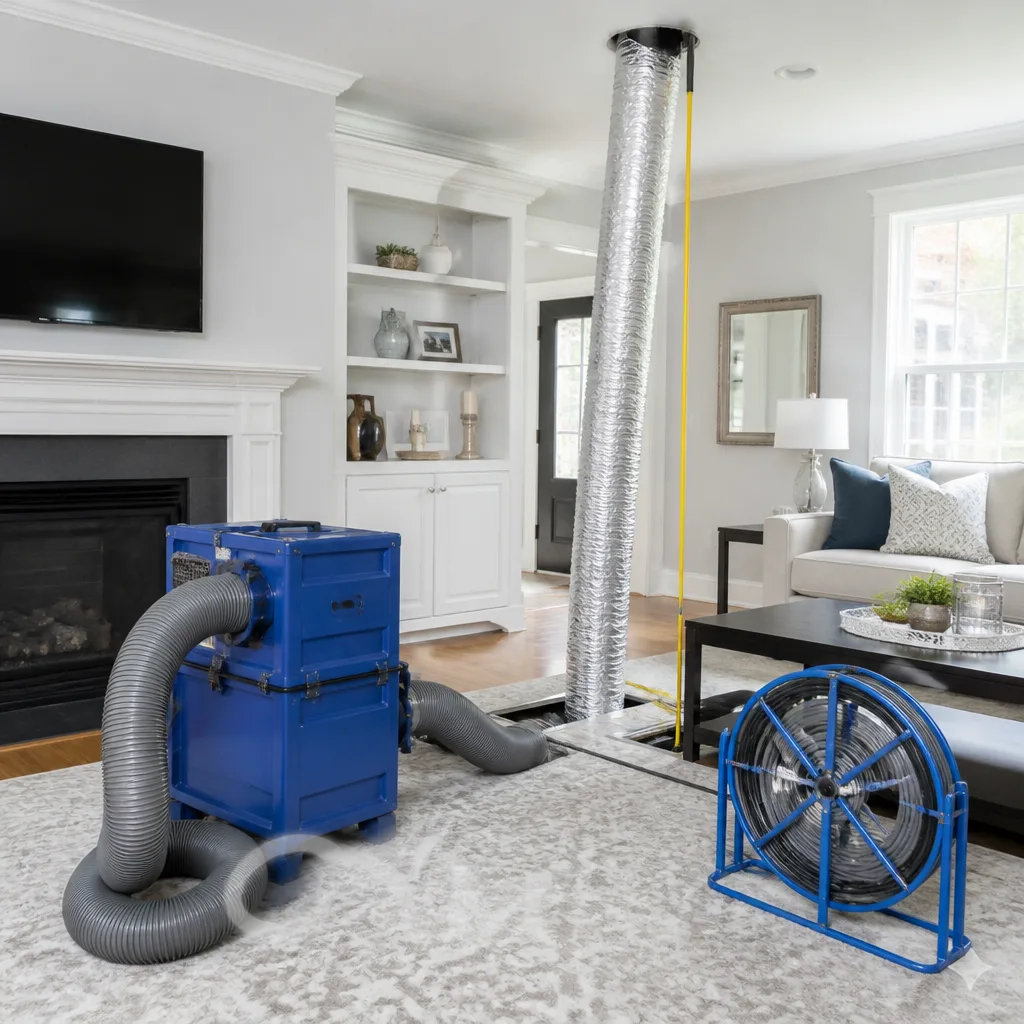 Whole-home duct cleaning
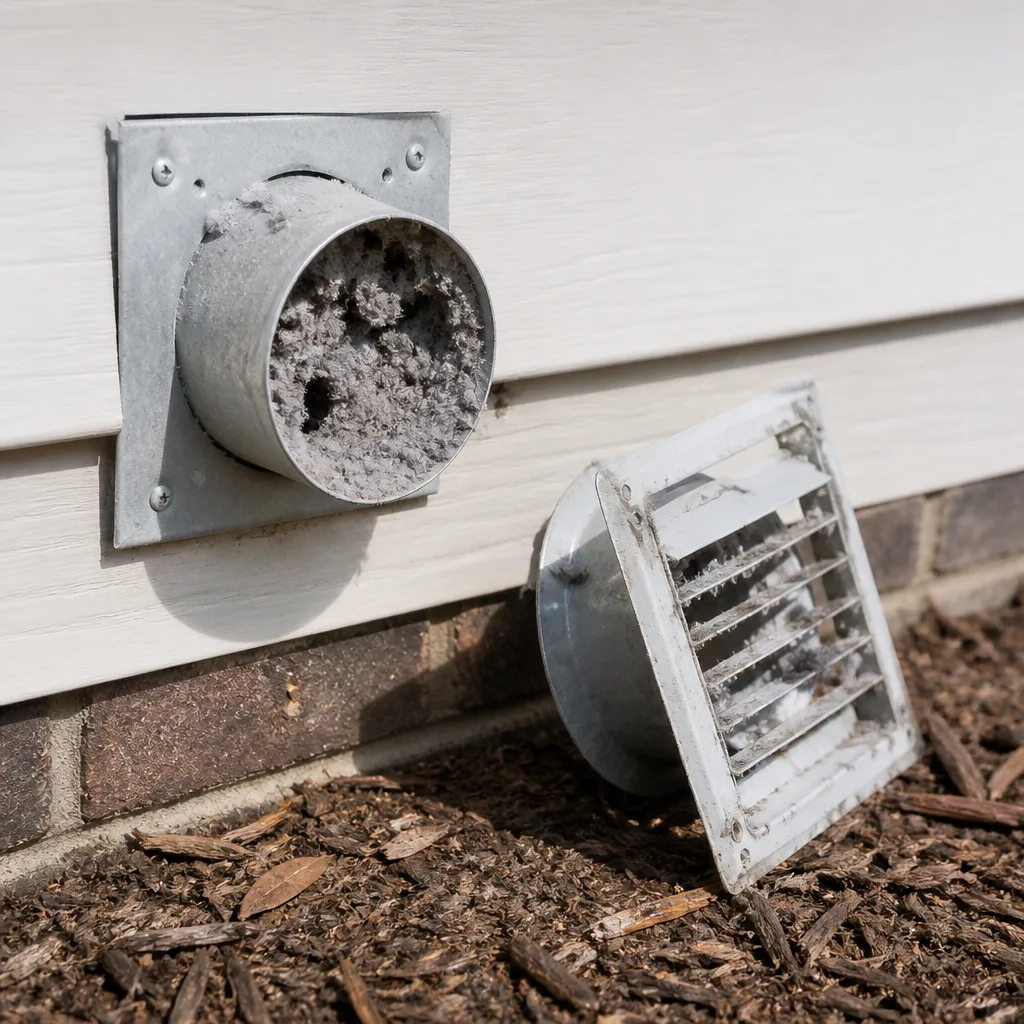 Dryer vent cleaning
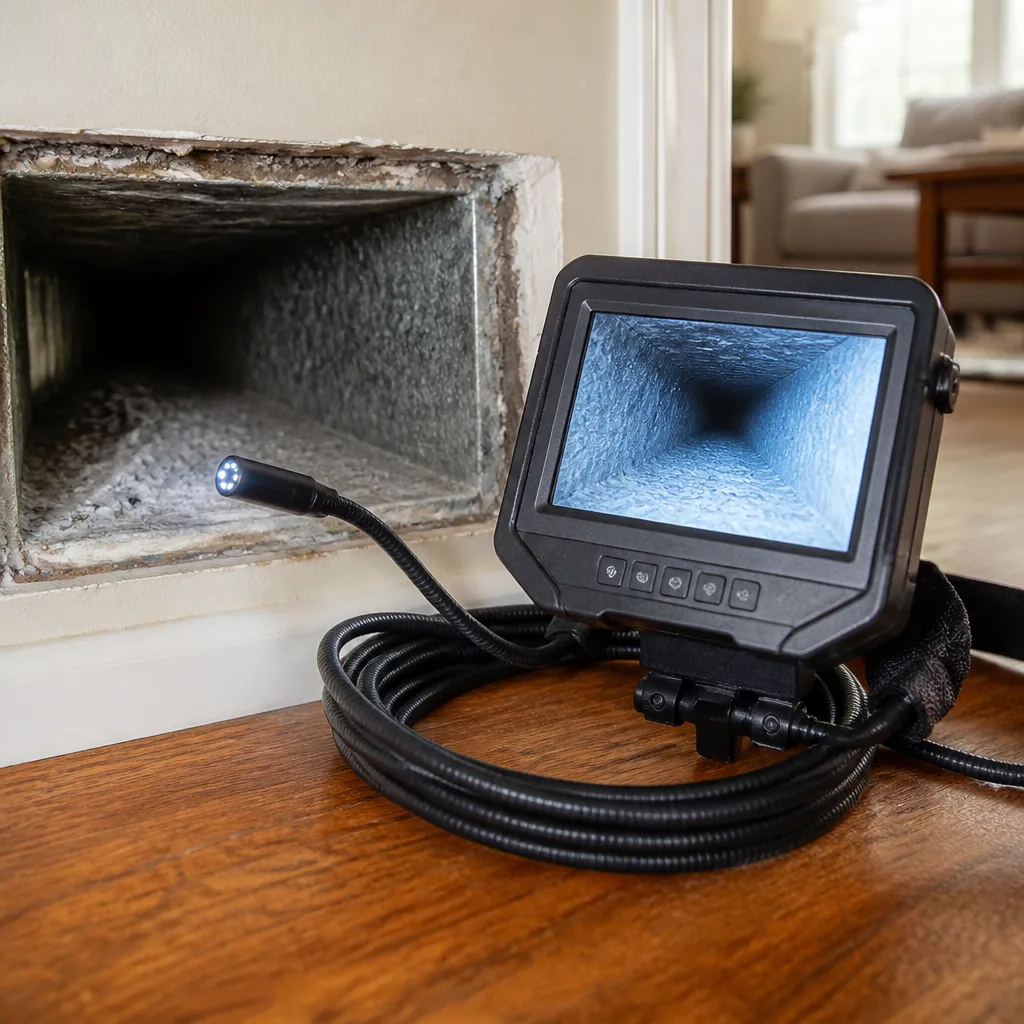 Camera inspection
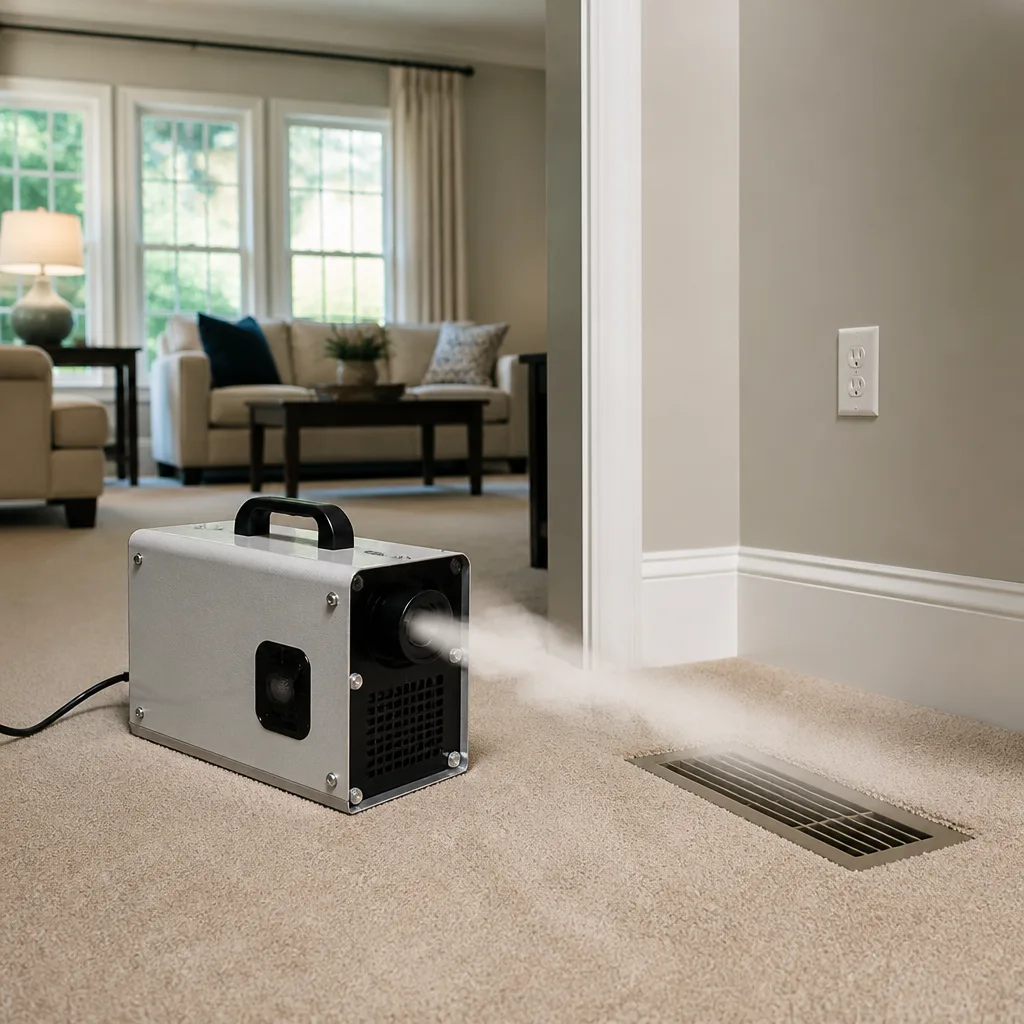 Sanitizing & deodorizing
Whole-system duct and dryer vent check with before-and-after photos - you see exactly what came out of your vents
That "$99 whole-house special" is a bait ad - the real number appears once they are in your hallway, or the "clean" is a shop-vac at the register. We photograph the inside of your ducts before and after instead.
Air Duct Cleaning Maintenance Schedule: What to Do and When
“Every three to five years” is the number most homeowners carry around in their heads, and it’s the reason so many ducts in Tucson get cleaned too late. That figure assumes a house with a short cooling season, mild outdoor dust levels, and moderate HVAC runtime. Tucson breaks all three assumptions. Systems here run most of the year, the desert throws fine particulate at every intake, and monsoon winds push that load higher for weeks at a stretch. This guide replaces the calendar rule with a schedule built on the variables that actually drive how fast your ductwork gets dirty, so you clean when the system needs it rather than when a generic rule says to.
Quick Answer
In Tucson, most homes need professional duct cleaning every two to four years rather than the three to five years often quoted nationally, and dusty or high-runtime homes can need it closer to every two. The right interval depends on filter loading rate, HVAC runtime hours, pets, occupancy, recent renovation, and how tight the duct system is, not on a single number of years. Track your filter’s clog rate and the condition documented at each cleaning, and let those two signals set your next date.
Styles & brands we work with
- Whole-home duct cleaning
- Dryer vent cleaning
- Camera inspection
- Sanitizing & deodorizing
Table of Contents
- Why Tucson Ducts Get Dirty Faster Than the National Average
- Using Filter Loading Rate as a Real-Time Contamination Gauge
- The Maintenance Matrix: Adjusting Your Schedule to Your Home
- What to Do Between Professional Cleanings
- Documenting Condition So the Next Decision Is Data-Driven
- Dryer Vent Intervals: A Separate Schedule
- Signs Your Ducts Are Overdue
- Common Mistakes to Avoid
Why Tucson Ducts Get Dirty Faster Than the National Average
National guidance on duct cleaning frequency leans on “as needed,” which sounds reasonable until you try to define “needed” in a city where the HVAC system runs more than ten months of the year. Tucson’s environment compresses cleaning intervals for reasons that don’t apply in most of the country, and understanding them is the first step toward a realistic schedule.
Caliche dust and desert soil. The fine, alkaline dust that comes off caliche and desert ground is lighter than typical topsoil and stays airborne longer. It finds its way into return-air grilles and deposits as a pale film inside ductwork. Because it’s fine, a standard fiberglass filter passes a portion of it through rather than catching it all.
Monsoon particulates. The summer monsoon lifts dust and carries it for miles before it settles. During those weeks, outdoor particulate levels climb sharply, and every home’s return air pulls in more of it. Homes that seal windows and change filters more often during monsoon season avoid the worst of the buildup.
Construction activity. Tucson has steady new-build and renovation activity, and drywall dust from nearby construction or from work inside your own home enters ductwork readily. A single renovation can accelerate the cleaning interval by a full cycle if the system runs while the work is happening.
Extended HVAC runtime. A system running most of the year moves far more air than one in a mild climate, so deposited dust builds up faster simply because more air passes the same surfaces. Runtime hours, not years on the calendar, are a truer measure of accumulated load.
If you’re ready to act on that timeline, our air duct cleaning service covers the full system, and our technicians have up to 11 years of experience reading Tucson ductwork.
Using Filter Loading Rate as a Real-Time Contamination Gauge
Your filter is the cheapest diagnostic tool you own. How fast it loads tells you, in real time, how much particulate is moving through your system, and that rate is the closest thing to a live readout of duct contamination.
Here’s how to use it. Start with a clean filter and note the date you installed it. Check it every two weeks for the first month, then monthly. When you see the filter visibly gray and holding dust across its face, note how many days passed. That interval is your loading rate. A filter that loads in 30 days in a Tucson home is telling you the airstream is carrying a heavy load, and your ducts are almost certainly fouled at a similar rate.
Interpret it like this:
- Filter loads in under 30 days: Heavy particulate load. Your ducts likely need attention sooner than you think, possibly within one to two years, and a professional inspection is worth scheduling.
- Filter loads in 30 to 60 days: Typical Tucson rate for homes with pets or open windows. A two-to-three year duct interval usually fits.
- Filter loads in 60 to 90 days: Lower-load home, often well-sealed with a filter system doing its job. Three to four years between cleanings is reasonable.
- Filter lasts longer than 90 days: Light load. You can stretch the interval, but don’t eliminate it; ductwork still accumulates dust over years even in clean homes.
One caution: a filter that never seems to load can mean air is bypassing the filter frame rather than passing through it. If the filter stays clean but the system is dusty, the filter may not be seated or the return duct may be leaking past the filter.
The Maintenance Matrix: Adjusting Your Schedule to Your Home
No two Tucson homes share the same cleaning interval. Use the matrix below to adjust your baseline. Start with the range that fits your situation, then add time for each factor that applies.
Home age and duct condition. Older homes often have ductwork that’s looser at the joints, letting more dust in. Flexible duct that has developed small tears pulls in unfiltered air continuously. A home with older or leaking ductwork should sit at the frequent end of the range, and Blackwell Air Duct Cleaning can assess whether repair will extend the interval rather than just cleaning around a problem.
Occupancy and pets. More people and more pets mean more skin cells, hair, and tracked-in soil. Two dogs in a Tucson home move that interval toward the frequent end; a single occupant without pets can stretch it.
Recent renovation. Any drywall, flooring, or major remodeling work inside the home justifies cleaning once the dust has settled, regardless of where you were in the schedule. Nearby construction outside the home can nudge it sooner too.
HVAC runtime hours. A system running year-round versus one that cycles less carries more air through the same ductwork. Homes running the AC through the long Tucson season should assume higher accumulated load than the calendar implies.
Filtration quality. A home with a high-MERV filter or a whole-home air cleaner runs cleaner than one with basic fiberglass. We work with Honeywell and Aprilaire air-quality systems and can tell you whether your current setup is pulling its weight.
Rough guidance: a high-factor home (pets, older ducts, heavy dust, year-round runtime) should plan on professional cleaning every two years. A low-factor home (sealed, well-filtered, few occupants) can stretch to four.
What to Do Between Professional Cleanings
The best maintenance schedule is only half the work. What you do between professional visits determines how much accumulates by the next one. These tasks belong on a regular routine:
- Change the filter on schedule. Based on your measured loading rate, set a change date and keep it. A filter left past its useful life does two things: it stops catching dust and it restricts airflow, which increases strain on the blower.
- Clean the return grilles. The grille face collects dust that the filter would otherwise catch. A quick wipe with a damp cloth every month or two keeps that dust from being pulled into the system.
- Vacuum register faces and nearby floor. Dust around supply registers recirculates toward returns. Keeping those zones clean reduces what enters the system.
- Check for gaps at duct connections. Look for obvious separation at accessible joints. A leaking joint pulls in unconditioned, unfiltered air, and we can repair it directly with air duct repair.
- Inspect the dryer vent on its own interval. Dryer vent cleaning is a separate schedule from duct cleaning, and it’s a fire-safety matter. Check the flexible transition duct behind the dryer for kinks and lint buildup, and schedule a professional cleaning on the interval discussed below.
- Note HVAC service dates. Keep the system maintained so the blower and coils work as designed. A clean system moves air efficiently, which reduces the load on the ductwork.
The same specialized team handles dryer vent cleaning, so these two schedules can be coordinated.
Documenting Condition So the Next Decision Is Data-Driven
The difference between guessing and knowing is documentation. At every professional cleaning, the condition of your ductwork should be recorded so the next interval is set by evidence, not by a generic rule.
What a documented cleaning should include:
- Before-and-after photos of your own ducts. These show you precisely what was removed and confirm the work was done. Without them, you’re taking the technician’s word for it.
- A summary of what was found. The quantity and type of material removed, whether the buildup was even across the system, and whether any section was notably worse.
- Notes on duct condition. Any tears, disconnected sections, or gaps noted during cleaning. These are the repair items that explain why the cleanliness didn’t last.
- A recommended next interval. Based on the load found and your filter loading rate, the technician should give you a reasoned next date rather than a fixed number.
Keep those records. At the next cleaning, comparing the current load against the prior report tells you whether your interval was too long, too short, or right. Cleaning with professional-grade Rotobrush and Nikro equipment also means the technician can document the interior surface condition precisely, so the next decision rests on real data.
See the difference
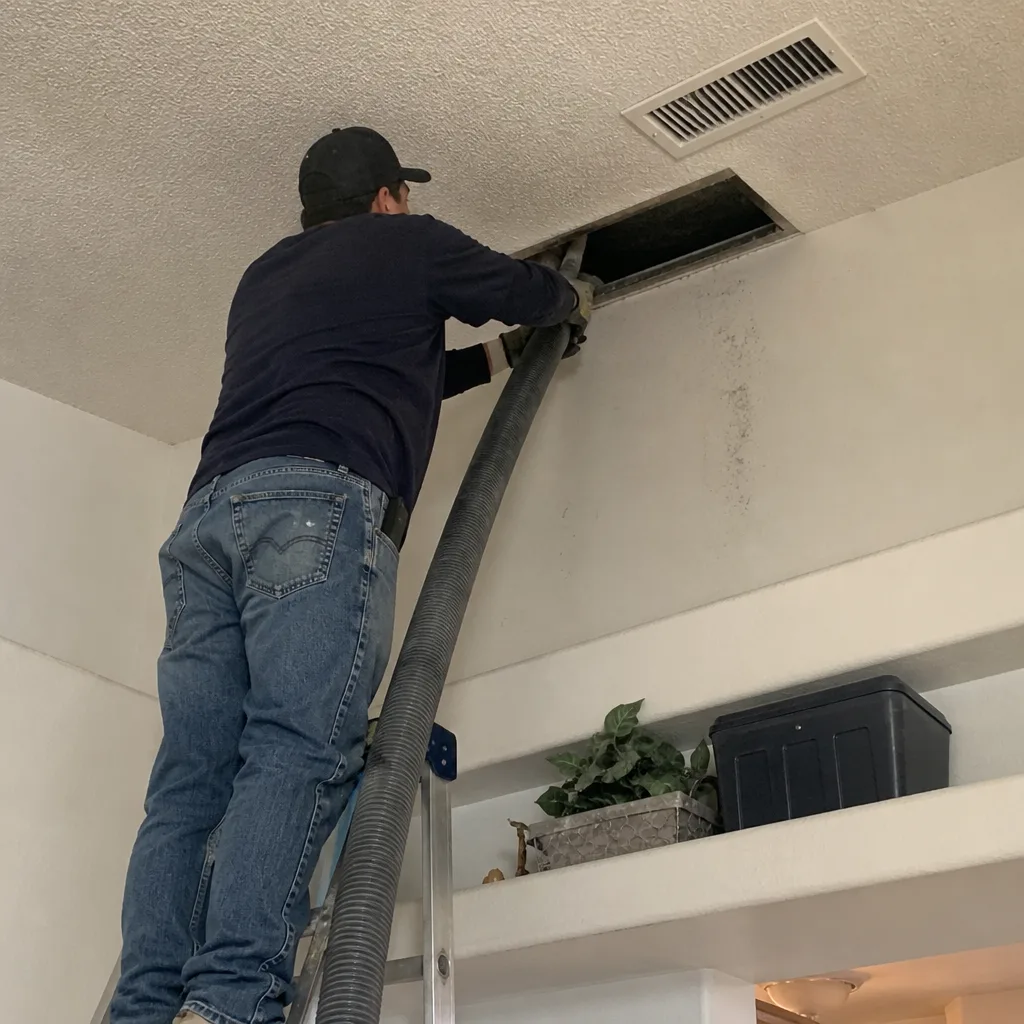 Before
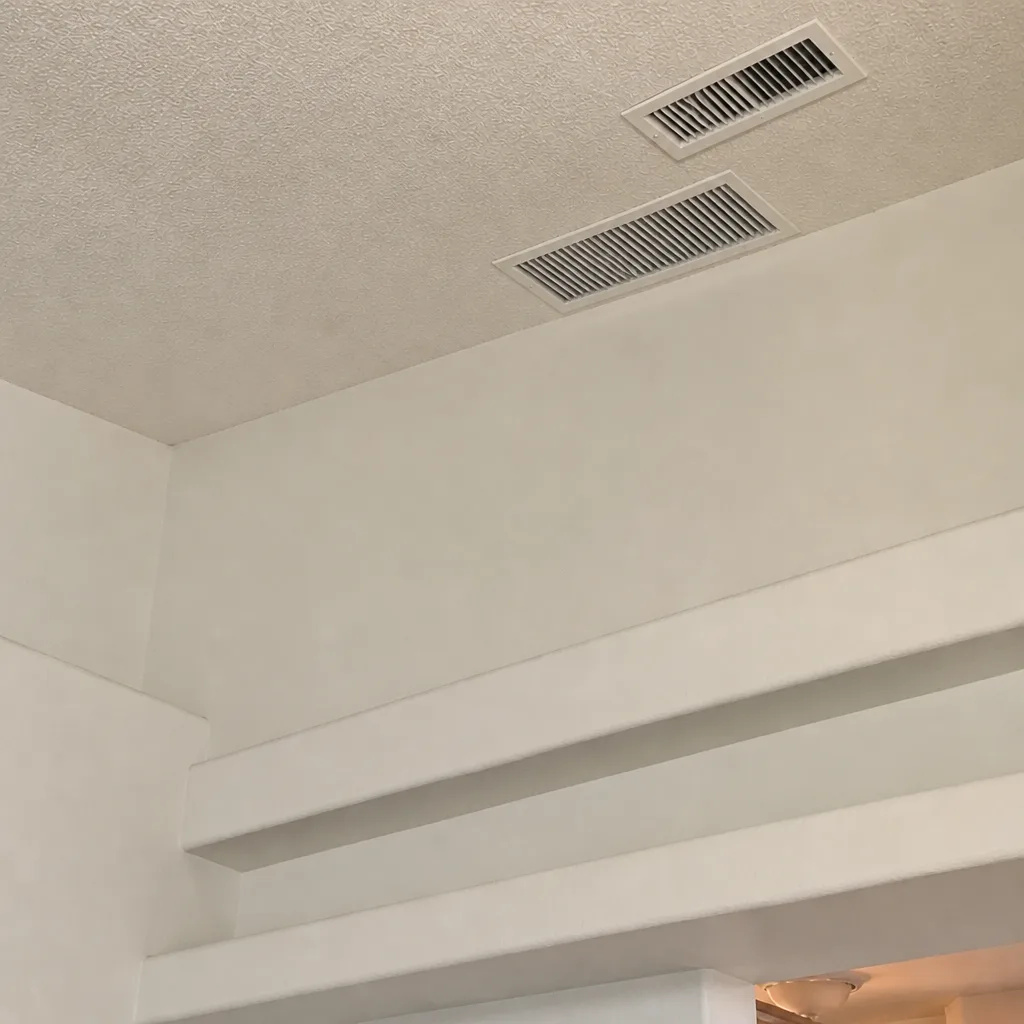 After
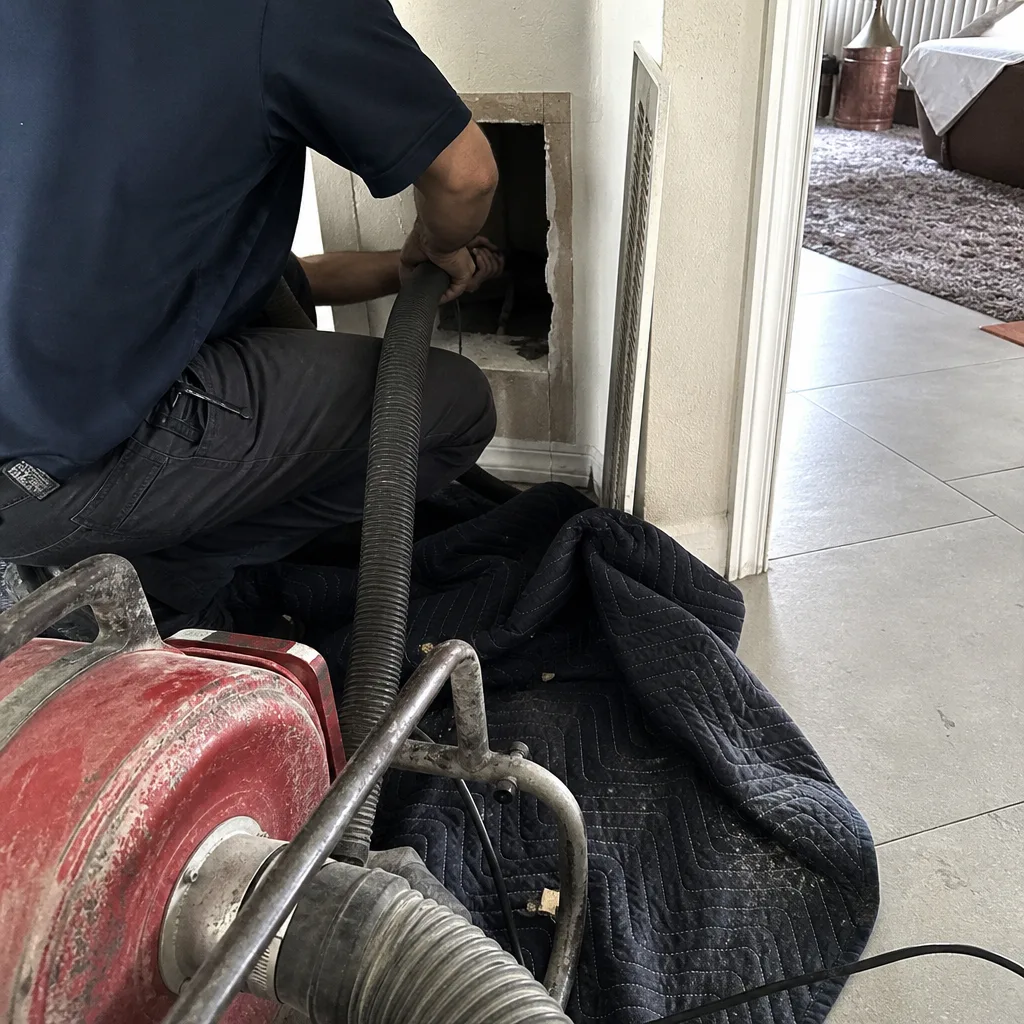 Before
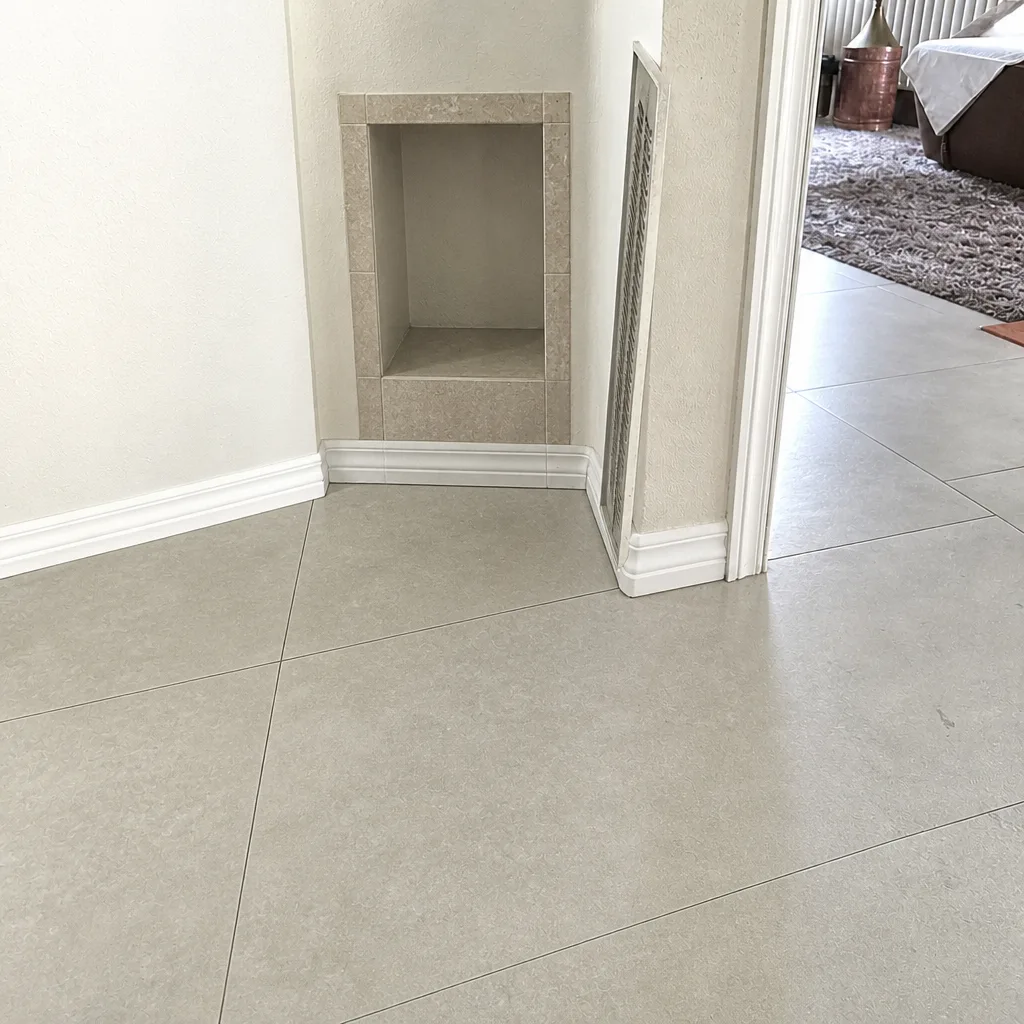 After
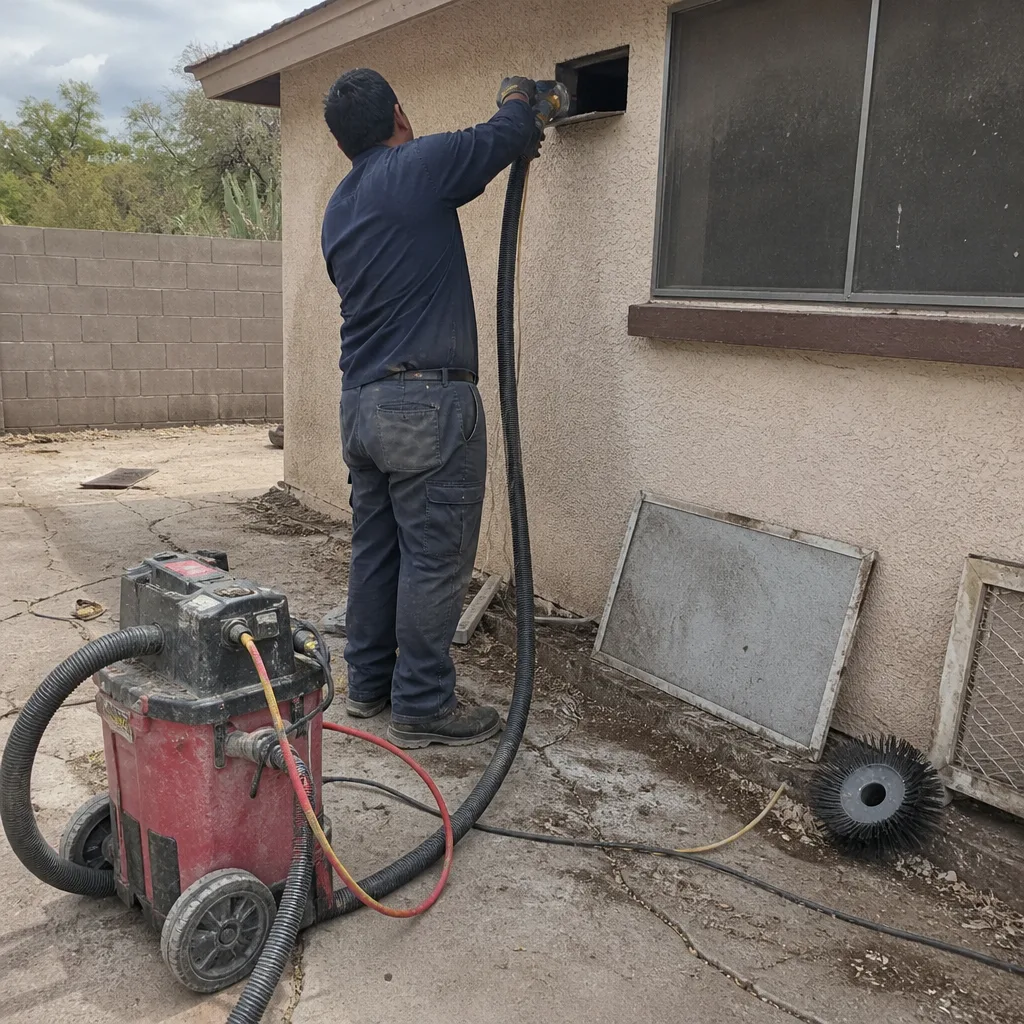 Before
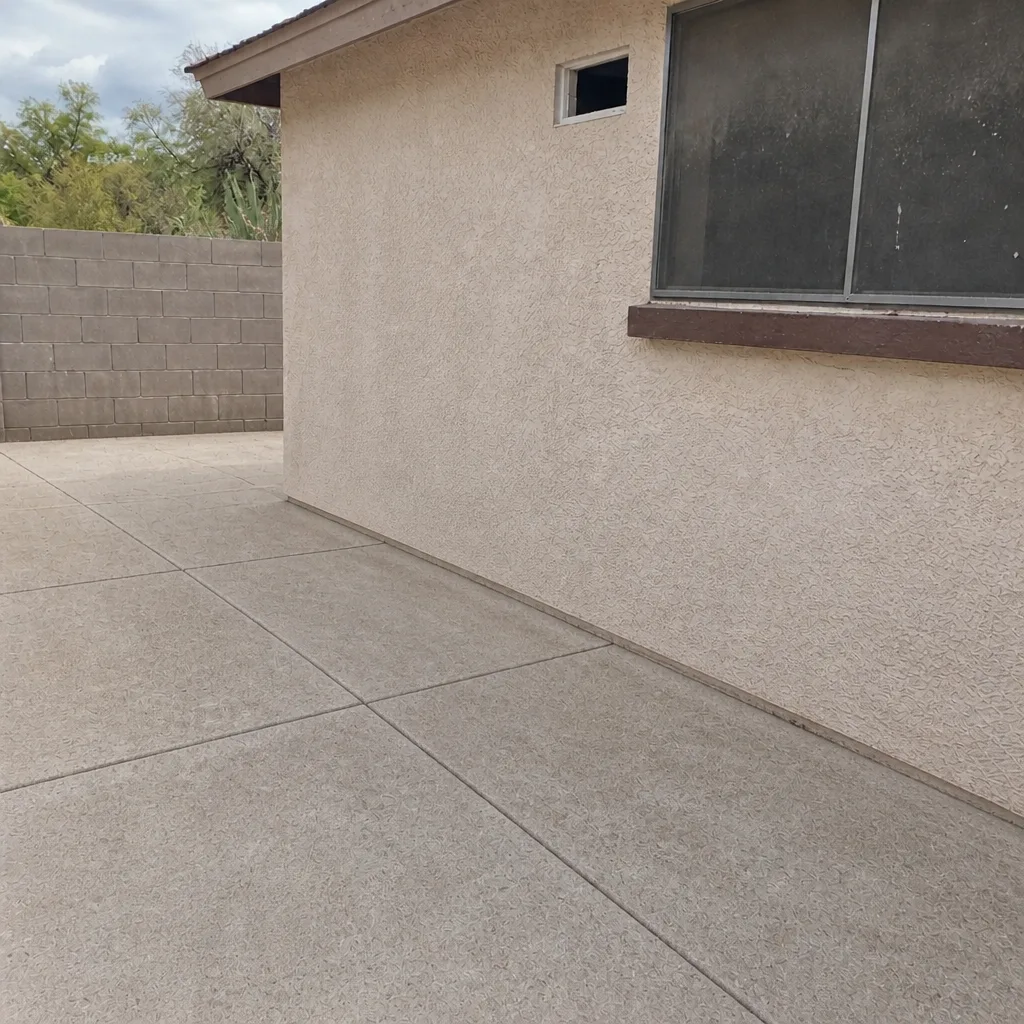 After
Dryer Vent Intervals: A Separate Schedule
Dryer vent cleaning belongs on its own maintenance calendar and deserves more attention than it usually gets. Lint accumulation in a dryer vent is a fire-safety issue, and it builds regardless of how clean the rest of your ductwork is.
How often to schedule it depends on the same practical variables as duct cleaning:
- Every household: An inspection at least once a year, with cleaning whenever the vent shows noticeable lint buildup.
- High-use households: Multiple loads per week justify cleaning roughly once a year.
- Long or winding vent runs: Lint settles and blocks more easily in long runs with bends. These need cleaning sooner than short, straight runs.
- Transition duct: The flexible duct behind the dryer should be checked more frequently and kept free of kinks and lint.
Our dryer vent service treats this as a fire-safety and efficiency job, not an add-on. If lint builds up, the dryer runs longer and hotter, which wastes energy and raises risk. Our technicians use Abatement Technologies negative-air and HEPA equipment when the situation calls for contained extraction.
Signs Your Ducts Are Overdue
Sometimes the schedule tells you the interval has passed. Other times the system tells you. Watch for these signals that indicate it’s time to clean regardless of where you are in the calendar:
- Visible dust at the supply registers. Gray streaks or film at the grille faces usually mirror what’s inside the duct behind them.
- Persistent dust on surfaces shortly after cleaning house. If dust reappears quickly, the source may be the ductwork rather than the room.
- Uneven airflow between rooms. Some rooms blowing weakly while others are strong can indicate blockage, a leaking or disconnected duct, or heavy accumulation in one branch.
- Rising energy bills without a rate change. A layer of dust on duct surfaces and the blower reduces efficiency. The system works harder for the same comfort.
- Musty or dusty smell when the system starts. The first air out of the registers after a cycle can carry the smell of what’s coating the interior.
- Allergy symptoms that worsen indoors. While ductwork isn’t the only source, a heavy accumulation can contribute to indoor air quality problems.
When these signs appear in a Tucson home, the schedule is a starting point, not a limit. A professional inspection tells you whether the interval has truly been reached.
Common Mistakes to Avoid
- Treating three-to-five years as a fixed rule. The national figure assumes mild conditions and shorter cooling seasons. In Tucson, with HVAC runtime most of the year and heavy dust, that interval is too long for many homes. Use the matrix, not the calendar.
- Ignoring filter loading rate. The filter is your best real-time gauge, and many homeowners replace it on a fixed schedule without watching how fast it loads. Measuring the clog rate tells you far more than counting months.
- Cleaning ducts without repairing leaks. If ductwork has tears or disconnected joints, cleaning it without repair means the dust comes back at the same rate. Addressing the root cause extends the interval more than repeated cleaning does.
- Skipping documentation. A cleaning with no before-and-after photos and no condition report leaves you guessing at the next interval. Insist on records so the next decision is evidence-based.
- Leaving the dryer vent off the schedule. Dryer vent cleaning is a separate fire-safety item, not part of routine duct cleaning. Keep it on its own calendar.
- Using a shop-vac or consumer equipment on your own ducts. Consumer vacuums don’t have the capture or the reach of professional rotary-brush and HEPA systems, and they can stir up more than they remove.
- Cleaning during or immediately after a renovation without re-checking. Drywall dust settles slowly. Schedule the cleaning after the dust has come to rest rather than the day the work ends.
When to Call a Professional
Some signs point clearly to professional attention rather than a schedule adjustment. Call when you find visible dust buildup inside the supply registers, when airflow is uneven between rooms, or when a filter loads in under a month. Call after any major renovation or when you’ve moved into a home with an unknown duct history. Call when you find a dryer vent running long, or when lint buildup appears at the vent. And call when the system smells musty the moment it starts. Blackwell Air Duct Cleaning offers free estimates in Tucson and can inspect the system to tell you whether cleaning, repair, or both are needed. Estimates are free, and the price is set per job by the written estimate. Call (855) 618-0955. We answer 24/7. Fast dispatch from 7am to 7pm, Sunday through Friday.
Frequently Asked Questions
Most Tucson homes need professional duct cleaning every two to four years, with dusty, high-runtime, or pet-heavy homes closer to every two years. The national three-to-five year average assumes conditions that don’t match Tucson’s dust load and year-round HVAC use. Use filter loading rate and documentation from prior cleanings to set your exact interval. Call (855) 618-0955 for a free estimate; we can assess what your system actually needs.
Filter loading rate is how many days it takes for your filter to visibly gray and hold dust after you install a clean one. It matters because it’s a real-time measure of how much particulate is moving through your ductwork. A filter loading in under 30 days in a Tucson home signals heavy load and suggests ducts need attention sooner than the calendar says. Call (855) 618-0955 for an exact quote if your filter loads quickly; estimates are free.
Yes. Monsoon activity lifts desert dust and carries it in before it settles, which raises outdoor particulate levels for weeks. Homes that run the system with windows open or poorly sealed during that period pull in more of it, which shortens the interval between cleanings. Sealing windows and changing filters more often during monsoon helps limit the buildup. Call (855) 618-0955 to discuss how your home’s schedule should account for it.
You can and should handle the light tasks: changing filters, wiping register faces, vacuuming around grilles, and checking for gaps at accessible joints. But interior duct cleaning requires rotary-brush and high-powered vacuum equipment to remove accumulation from the duct walls, and consumer vacuums can’t reach or capture it. Professional-grade equipment is essential, which is why interior cleaning belongs on the professional schedule. Call (855) 618-0955 for an exact quote.
Ask for before-and-after photos of your own ducts and a short report on what was found. Photos of your system confirm the work and show the condition accurately rather than a generic result. A professional cleaning should also note the duct condition and recommend a next interval based on the load found. Call (855) 618-0955 to book a documented cleaning; estimates are free.
Yes, usually by making the interval longer. Leaks, tears, and disconnected joints let unfiltered dust into the system continuously, so cleaning without repair means the same buildup returns sooner. Repairing the root cause generally extends the time between cleanings. We handle air duct repair as its own service, so the same team can fix the problem rather than clean around it. Call (855) 618-0955 for an exact quote.
The Bottom Line
The three-to-five year rule is a starting point that fits a milder climate than Tucson’s. In this city, dust load, year-round HVAC runtime, and monsoon season all push many homes toward a two-to-four year cycle, and heavily loaded homes toward two. Use filter loading rate as a real-time gauge, adjust the interval to your home’s age, pets, renovation history, and runtime, and document condition at every cleaning so the next decision rests on evidence. Handle filter changes, register cleaning, and dryer vent checks between professional visits. When the signals point to cleaning or repair, professional inspection confirms it, and the written estimate sets the price.
To put this schedule on a real system, call Blackwell Air Duct Cleaning at (855) 618-0955 for a free estimate. We answer 24/7. Fast dispatch from 7am to 7pm, Sunday through Friday. Our technicians bring professional-grade Rotobrush and Nikro equipment and document what they find, so your next cleaning date is based on your ducts, not a calendar.
Written by the team at Blackwell Air Duct Cleaning.